PALMOILMAGAZINE, JAKARTA — President Prabowo Subianto’s remark describing palm oil as a “miracle crop” has been warmly welcomed by the Indonesian Oil Palm Farmers Union (SPKS), which sees the statement as a pivotal moment to advance national palm oil policies that are more favorable to smallholder farmers.
The President made the remark during the 2026 National Coordination Meeting of Central and Regional Governments in Sentul, Bogor. SPKS said the acknowledgment underscores palm oil’s strategic role in supporting Indonesia’s economy while sustaining the livelihoods of millions of smallholder farmers across the country.
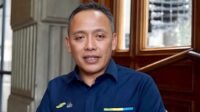
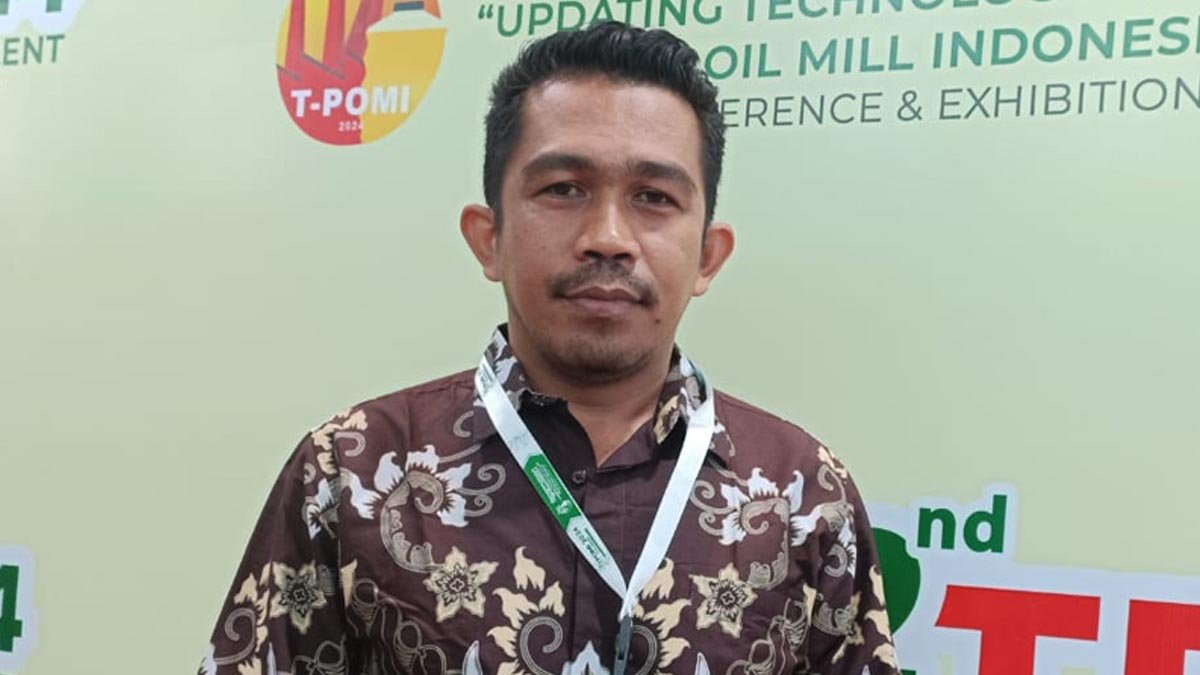
SPKS Chairman Sabarudin noted that for decades palm oil has been the backbone of rural household economies. However, he said the sector’s substantial contribution has yet to be matched by policies that adequately protect farmers and improve their welfare.
“Palm oil has long been a source of livelihood for millions of smallholder farmers. This significant contribution must be accompanied by real protection and fair policies for farmers,” Sabarudin said in a statement received by Palmoilmagazine.com on Wednesday (Feb 4, 2026).
Four Million Smallholders Depend on Palm Oil
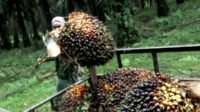
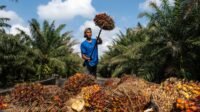
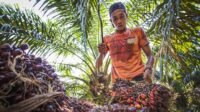
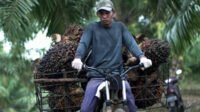
SPKS estimates that around four million smallholder farmers depend on the palm oil sector for their livelihoods. As such, the sustainability of Indonesia’s palm oil industry should be built on principles of fairness, legal certainty, and improved farmer welfare as key upstream stakeholders.
Despite this, SPKS pointed to ongoing challenges in policy implementation on the ground. One critical issue is forest area enforcement, which the group says has yet to provide legal certainty for smallholder farmers.
Also Read: PalmCo Boosts Smallholder Partnerships, Absorbs 3.25 Million Tons of FFB in 2025
To date, approximately 4,000 hectares of oil palm land owned by SPKS members have been marked by the Forest Area Enforcement Task Force (Satgas PKH). These lands have been cultivated by farmers for years and serve as their primary source of income. SPKS argues that such policy approaches must be continuously reviewed to better prioritize justice, legal clarity, and the long-term sustainability of smallholder livelihoods.
Biodiesel Program and FFB Prices Under Scrutiny
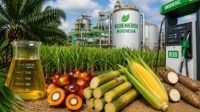
Beyond land issues, SPKS also highlighted concerns over the palm oil-based biodiesel program. The organization said smallholder participation in the national biodiesel supply chain needs to be strengthened so that the benefits of energy policies are more evenly distributed.
SPKS further called for ongoing evaluation of crude palm oil (CPO) export levies, noting their direct impact on fresh fruit bunch (FFB) prices at the farm level—an essential indicator of smallholder welfare.
Also Read: Bappenas and CSES Seal MoU to Accelerate Low-Emission and Sustainable Palm Oil Development
Call for Direct Dialogue with the President
SPKS reiterated the long-standing aspiration of smallholder farmers to engage in direct dialogue with the President, arguing that open communication is crucial to ensure palm oil policies reflect realities on the ground.
“Smallholder farmers have long hoped for a direct dialogue with the President. We believe open discussions will help deliver palm oil policies that are fairer, more sustainable, and truly improve farmer welfare,” Sabarudin said.
According to SPKS, palm oil can only truly be called a “miracle crop” if its management delivers justice, legal protection, and tangible prosperity for smallholder farmers.
Expanding Downstream Access and Farmer-Owned Mills
Looking ahead, SPKS emphasized the need to strengthen smallholder positions within the national palm oil industry structure. Farmers, the group said, should not be confined to raw material producers but empowered as business actors with access to downstream activities.
“We urge stronger farmer positioning, including support for farmer-owned mills. The state must provide financing and policy support so smallholders can own and operate palm oil mills through strong farmer cooperatives,” Sabarudin said.
SPKS believes farmer ownership of palm oil mills would increase value-added, enhance bargaining power within the supply chain, and directly improve farmer incomes. The group also proposed that funds from the Plantation Fund Management Agency (BPDP) be allocated to support the establishment of cooperative-owned mills.
However, SPKS stressed that direct presidential guidance is needed to ease farmer access to BPDP funding.
“So far, BPDP funds have not fully favored smallholder farmers. We hope for direct direction from the President so these funds can truly be accessed by farmers, particularly to support cooperative-owned palm oil mills,” Sabarudin said.
SPKS is confident that expanding downstream access for farmers will be a strategic step toward ensuring the benefits of Indonesia’s palm oil industry are not concentrated among large corporations alone, but shared equitably with millions of smallholder farmers nationwide. (P2)