PALMOILMAGAZINE, YOGYAKARTA – Efforts to accelerate innovation and strengthen human capital in the plantation sector are gaining momentum through closer collaboration between academia and industry.
The Yogyakarta Plantation Cadre Education Foundation (YPKPY), which oversees INSTIPER Yogyakarta and AKPY Stiper, has entered into a strategic partnership with PT Nusantara Green Energy to develop palm oil processing technology based on the Teaching Plant Steamless Palm Oil Technology (SPOT).
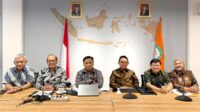
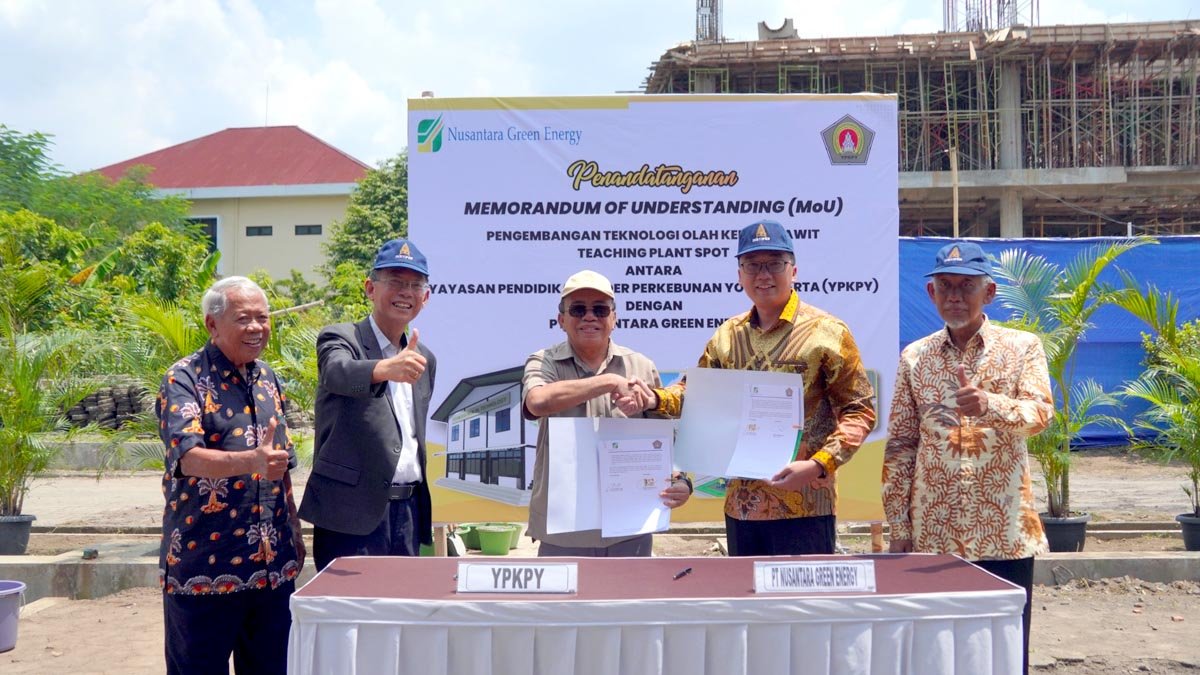
The collaboration was formalized through the signing of a Memorandum of Understanding (MoU) at the INSTIPER campus on Tuesday (February 10), with the agreement signed by YPKPY Chairman Dr. Ir. Purwadi, M.S., and President Director of PT Nusantara Green Energy, Iman Dermawan.
Also Read: Prabowo Subianto Targets Palm-Based SAF Expansion with Massive Refinery Investment
This partnership marks a concrete step toward strengthening education and advancing technological development in the plantation sector, particularly in the palm oil industry.
The initiative aims to enhance workforce competencies in palm oil processing technology, provide hands-on learning and research facilities, and support the development of sustainable industrial solutions. The teaching plant is also expected to function as a training and demonstration hub for students and the wider community.
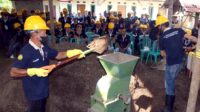
Following the MoU signing, the program continued with the groundbreaking of a SPOT-based palm oil mill located within the INSTIPER Technology and Innovation Center. The facility is designed as a teaching plant, serving both as a student learning factory and a research center for efficient and environmentally friendly downstream palm oil technologies.
Also Read: PTPN IV PalmCo Leads Pilot of Tanzanian Pollinators to Enhance Palm Oil Yields
Petrus Tjandra, Director of PT Nusantara Green Energy and an alumnus of INSTIPER Yogyakarta, explained that SPOT represents a dry-processing system designed to address the limitations of conventional palm oil mills.
“Unlike traditional wet systems, SPOT utilizes hot air instead of steam, eliminating the need for sterilizers and boilers. This means no liquid waste is generated, making the process more environmentally friendly by reducing greenhouse gas emissions,” he said, in a statement received by Palmoilmagazine.com on Tuesday (April 14).
He added that SPOT-based mills operate on a smaller scale compared to conventional facilities, making them more suitable for smallholder farmers and allowing them to be located closer to plantation areas.
Also Read: Strong Demand Fuels Double-Digit Growth Outlook for India’s Edible Oil and FMCG Sectors
Meanwhile, Dr. Purwadi emphasized that under the partnership, YPKPY will provide land and supporting infrastructure, while PT Nusantara Green Energy will supply the SPOT-based technology and processing equipment.
“Both parties will also collaborate in providing expert personnel to support the operation and development of the teaching plant. This facility will also serve as a research platform for lecturers and students of INSTIPER and AKPY,” he stated.
Through this collaboration, INSTIPER is expected to further strengthen its position as an adaptive educational institution aligned with advancements in plantation technology, while contributing to the development of more efficient and environmentally sustainable palm oil processing innovations. (P3)