

PALMOILMAGAZINE, YOGYAKARTA – The Indonesian government is preparing a major overhaul of its strategic commodity export governance, including crude palm oil (CPO), through the establishment of a centralized export agency named PT Danantara Sumberdaya Indonesia (DSI). The initiative is aimed at tightening export supervision and preventing potential state revenue leakages linked to alleged price and volume manipulation practices.
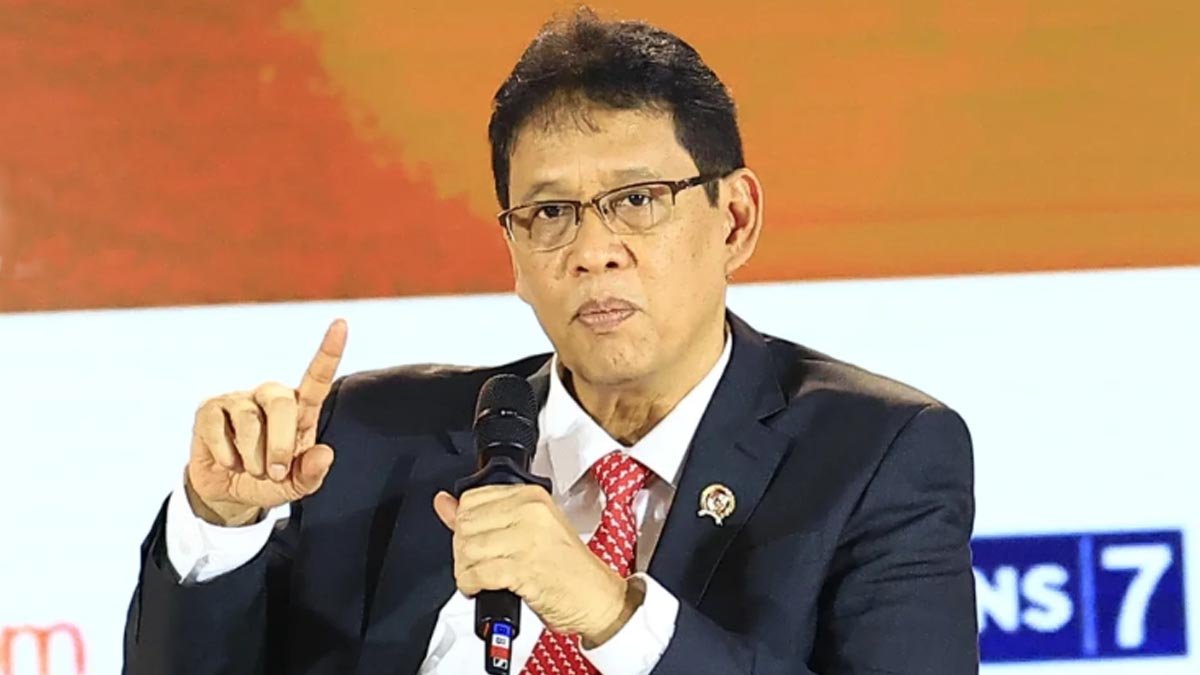
The plan was revealed by Finance Minister Purbaya Yudi Sadewa during the Jogja Financial Festival 2026, as monitored by Palmoilmagazine.com on Wednesday (27/5/2026).
During his presentation, Purbaya disclosed information regarding export practices suspected of harming state revenues, particularly in coal and CPO commodities. According to him, some exporters allegedly reported lower export prices compared to actual selling prices in destination markets overseas, often involving intermediary trading companies based in other countries.
Also Read: Indonesia Calms Palm Oil Market Concerns as Government Protects Farmers and Export Industry
Purbaya said he had previously been asked to study the export patterns of several major Indonesian CPO companies. From the review, indications emerged that some exports were not shipped directly to final destination countries, but instead routed through intermediary firms in Singapore.
“When I checked the intermediary trader, it turned out to be the same company. The export price from Indonesia to Singapore could be only about half of the price from Singapore to the final destination country,” he explained.
According to Purbaya, such practices could suppress the official export value recorded domestically, ultimately reducing state revenues from export duties and corporate income taxes. In addition, part of the profits could potentially remain parked overseas.
“If the value of our products is lowered at the initial export stage, then export taxes and income taxes received by the state could also fall to only half or even less,” he said.
In response, the government and President Prabowo Subianto are reportedly opting for a broader systemic solution instead of merely tightening field supervision.
Under the proposed mechanism, PT Danantara Sumberdaya Indonesia (DSI) would function as a single-gate export institution, where exports of certain strategic commodities would be processed through one centralized entity before entering global markets.
Also Read: Indonesia Recovers IDR10.2 Trillion and Reclaims 5.8 Million Hectares in Forest Crackdown
Purbaya said the scheme is expected to close loopholes related to export price and volume manipulation.
“If everything goes through one institution, then the potential for price manipulation and various information gaps that have been difficult to monitor can be eliminated,” he noted.
He estimated the policy could significantly boost state revenues, both from export duties and income taxes. Additional revenue, he added, could later be utilized to support national development programs, including education and regional infrastructure development.
Also Read: Prabowo Highlights Palm Oil Export Leakages, Warns of Under-Invoicing Practices
“The most important thing is ensuring that more profits from our natural resources return to strengthen the national economy,” he added.
Purbaya also emphasized that the government has strengthened export monitoring systems through technological upgrades within the National Single Window (NSW) platform and the Directorate General of Customs and Excise.
According to him, the use of modern technology now allows authorities to compare Indonesian export data with import records in destination countries, making discrepancies in export prices and volumes easier to detect.
Also Read: KPBN CPO Tenders Stay Withdrawn on Tuesday (May 26), Malaysia CPO Futures Extend Gains
He cited coal exports as an example, where authorities are now able to cross-check trade data with importing countries such as India.
“Now the data can be compared directly. Exporters can no longer easily manipulate prices or volumes because we can see the data in destination countries,” he said.
Looking ahead, Purbaya added that representatives from several ministries and state institutions may also be integrated into the export oversight system to strengthen coordination and improve monitoring effectiveness. (P2)