PALMOILMAGAZINE, JAKARTA – Indonesia has strengthened its palm cooking oil governance framework through the issuance of Trade Minister Regulation (Permendag) No. 20 of 2026, amending Regulation No. 43 of 2025. The new regulation requires producers to supply packaged palm cooking oil for household consumption to ensure adequate domestic market availability.
The government said the regulatory revision is intended to safeguard cooking oil supplies amid rising domestic demand, maintain stable distribution, and prevent shortages at the consumer level.
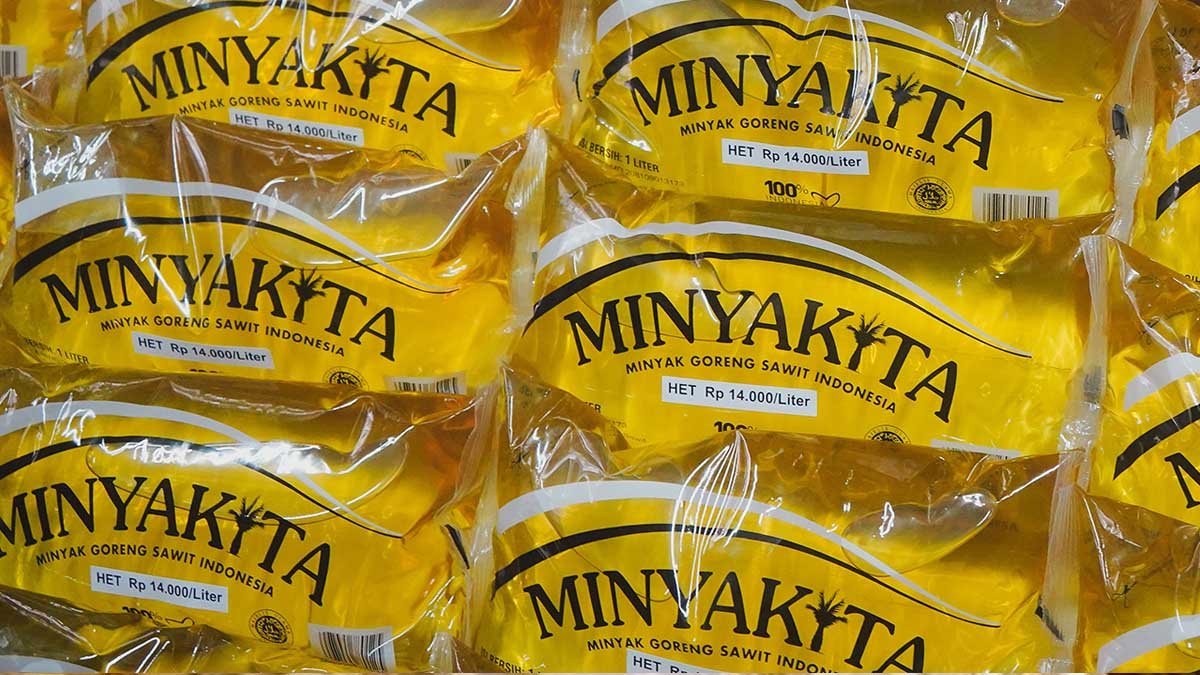
According to the policy reviewed by Palmoilmagazine.com on Monday (July 13, 2026), a key amendment introduces Article 4A, which obliges all producers to supply packaged cooking oil to meet household demand in the domestic market, reinforcing their responsibility to maintain national cooking oil availability.
Also Read: GAPKI Strengthens Indonesia–Russia Vegetable Oil Cooperation Through Strategic Agreement
The regulation also strengthens enforcement measures. Under Article 30A, producers that fail to meet their supply obligations during periods of shortage may receive up to three written warnings, each with a maximum period of 14 working days. Continued non-compliance may result in administrative enforcement measures imposed by the government.
These sanctions include warehouse closures and the temporary suspension of business operations until producers fulfill their domestic supply obligations. The government said the measures are designed to ensure uninterrupted cooking oil distribution and protect consumers from supply disruptions.
The revised regulation also clarifies the authority to impose administrative sanctions, assigning responsibility to senior officials overseeing consumer protection and trade compliance, as well as regional trade offices within their respective jurisdictions. It also allows authorities to recommend freezing business accounts in the Bulk Cooking Oil Information System (SIMIRAH) as part of enforcement against non-compliant companies.
Also Read: Palm Oil Remains Indonesia’s Top Trade Surplus Contributor as Non-Oil Exports Reach US$16.31 Billion
Trade Minister Budi Santoso signed Regulation No. 20 of 2026 on June 29, 2026, and it took effect upon promulgation. The government expects the new rules to strengthen palm cooking oil governance, improve distribution efficiency, and secure domestic supplies as household demand continues to grow. (P2)