PALMOILMAGAZINE, JAKARTA — The Indonesian government is accelerating preparations for the implementation of a new governance system for strategic natural resource exports, scheduled to take effect on June 1, 2026.
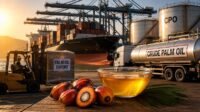
The policy includes the management of Export Proceeds Foreign Exchange (DHE) as well as export arrangements for strategic commodities such as crude palm oil (CPO), coal, and ferro alloys through PT Danantara Sumber Daya Indonesia.
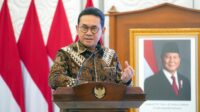
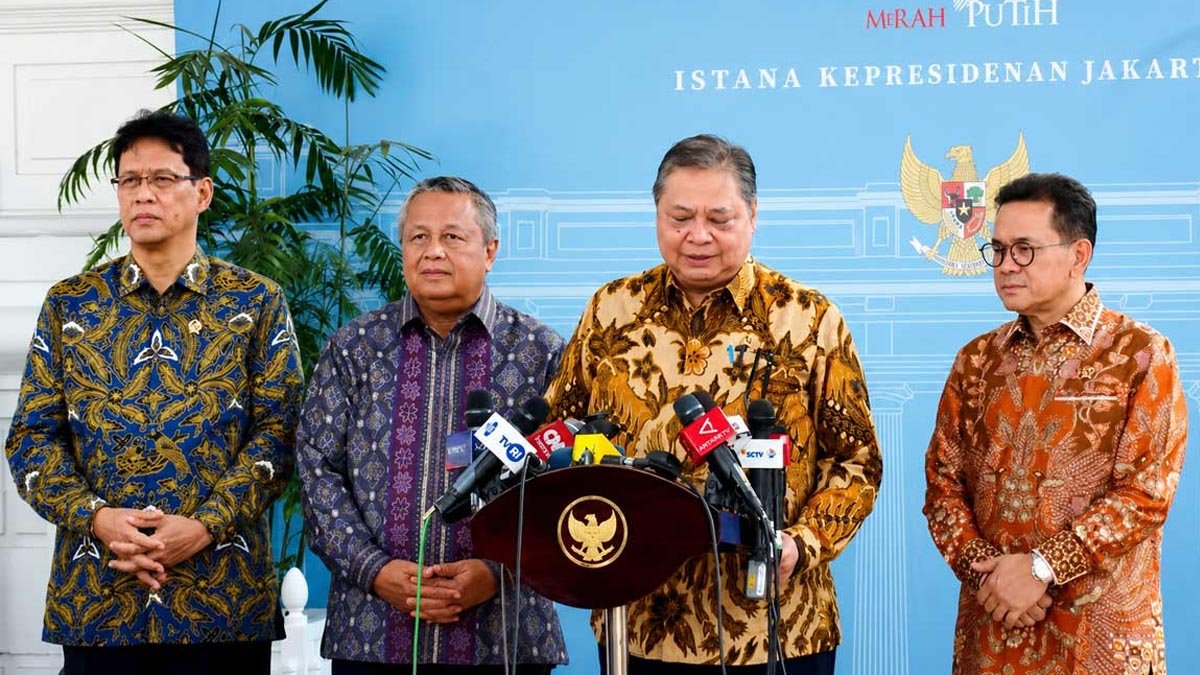
Coordinating Minister for Economic Affairs Airlangga Hartarto said he, along with the Finance Minister, Trade Minister, and Bank Indonesia, had directly reported the readiness of the policy implementation to President Prabowo Subianto.
Also Read: Prabowo Highlights Palm Oil Export Leakages, Warns of Under-Invoicing Practices
“We, together with the Finance Minister, Trade Minister, and Bank Indonesia, have reported to the President regarding the implementation plan for export proceeds foreign exchange regulations starting June 1, including exports of CPO, coal, and ferro alloys through PT Danantara Sumber Daya Indonesia,” Airlangga said during a press conference in Jakarta on Thursday (21/5/2026).
According to Airlangga, the government is currently finalizing a range of supporting regulations issued by the Ministry of Finance, Bank Indonesia, and related technical ministries. All regulations are expected to be completed before the policy officially takes effect in early June.
At the same time, the government has begun intensive outreach and socialization efforts with business associations in related sectors to ensure exporters understand the upcoming mechanism.
Airlangga emphasized that the new scheme would not immediately take over export operations from companies. During the initial phase, exporters in the coal, CPO, and ferronickel sectors will continue handling their own export activities, while reporting transactions through a system connected to Danantara.
“There is no need to worry because exports will still be carried out by each respective company. In the initial phase, the focus is on transparency in reporting. Export activities will remain under coal, CPO, and ferronickel companies, but reporting will be directly integrated with Danantara,” he explained.
The government plans to use the first three months of implementation to monitor the effectiveness of the new system before conducting further evaluations.
In the long term, the government hopes the mechanism will help establish stronger national commodity price references. The initiative is expected to create benchmark prices for strategic commodities such as coal, CPO, and ferro alloys, strengthening Indonesia’s bargaining position in global trade.
Also Read: Prabowo Pushes Indonesia to Set Global Palm Oil Prices Instead of Following Foreign Markets
“Going forward, commodity reference prices will be formed, including benchmark prices for coal, CPO, and ferro alloys,” Airlangga stated.
Beyond export governance, the government also discussed current global economic conditions following easing geopolitical tensions. In response, authorities decided to continue implementing work-from-home policies for the next two months as part of efforts to maintain domestic economic stability.
The government is also preparing additional economic stimulus packages aimed at supporting national economic growth, particularly to maintain positive momentum in the second quarter of 2026 amid ongoing global uncertainties.
Also Read: Indonesia Recovers IDR10.2 Trillion and Reclaims 5.8 Million Hectares in Forest Crackdown
Regarding Danantara’s role in the new export system, Airlangga said the management structure of PT Danantara Sumber Daya Indonesia would soon be announced publicly to investors and business players.
“Danantara will soon announce its management team and provide explanations to investors so that before June 1 all business actors fully understand the mechanism,” he concluded. (P2)