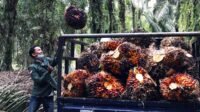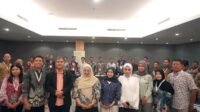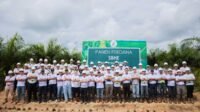
PALMOILMAGAZINE, PALU – A total of 127 oil palm smallholders from Pasangkayu Regency, West Sulawesi, have begun participating in the 2026 Plantation Human Resources Development Training Program, an initiative designed to enhance technical skills, improve plantation productivity, and accelerate the adoption of sustainable palm oil practices in line with the Indonesian Sustainable Palm Oil (ISPO) standard.
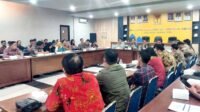
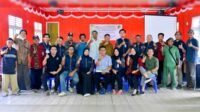
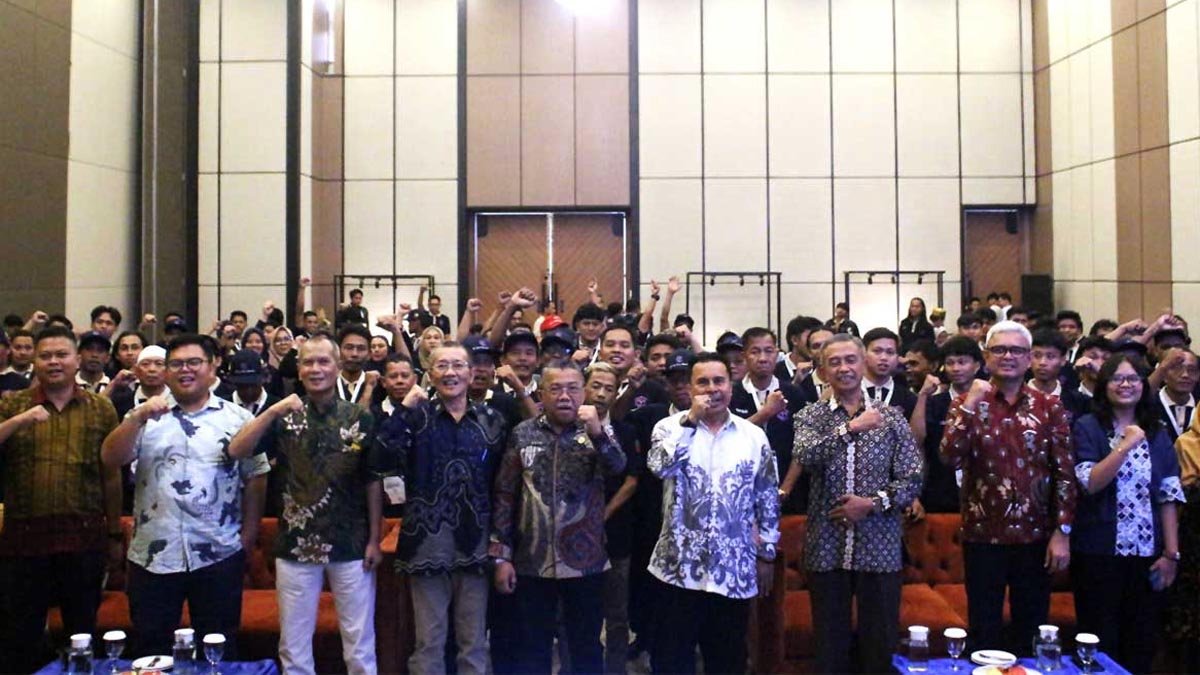
The training program, officially opened on Monday (June 22) at Aston Hotel Palu, is a collaborative effort between the Plantation Fund Management Agency (BPDP), the Directorate General of Plantations under Indonesia’s Ministry of Agriculture, and PT Citra Widya Education.
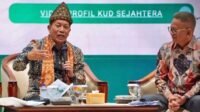
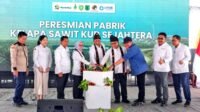
The opening ceremony was attended by PT Citra Widya Education Director Stefanus Nugroho Kristono, Pasangkayu Regional Secretary Muhammad Muh. Zain Machmud, Head of the Pasangkayu Plantation and Livestock Office H. Abidin, and Mula Putera from the Directorate of Oil Palm and Other Palm Crops, who joined the event virtually.
Also Read: Palm Oil as a Renewable Natural Resource
Stefanus Nugroho Kristono said the training reflects a shared commitment to strengthening human capital across Indonesia’s oil palm sector, particularly among independent smallholders who play a vital role in the country’s plantation industry.
According to him, the program has been designed to improve participants’ technical knowledge, practical skills, and professionalism in managing oil palm plantations based on sustainable plantation management principles.
“To ensure participants receive practical and relevant knowledge, all training sessions are delivered by experienced industry practitioners with strong expertise in their respective fields,” Stefanus said in an official statement received by Palmoilmagazine.com.
Also Read: Indonesia Cuts July 2026 CPO Reference Price to USD 1,000.90 per Ton Amid Weak Global Demand
Meanwhile, Pasangkayu Plantation and Livestock Office Head H. Abidin expressed appreciation to BPDP and all collaborating institutions for organizing the training, describing it as a tangible demonstration of cooperation between the central government, regional authorities, and industry stakeholders to strengthen the quality of Indonesia’s plantation workforce.
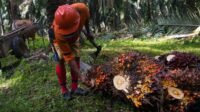
The 127 participants were divided into two specialized training streams. Fifty-nine smallholders attended courses on Good Agricultural Practices (GAP) for oil palm cultivation, while 68 participants focused on harvesting and post-harvest management techniques.
Abidin emphasized that both subjects are essential to helping farmers improve plantation management from crop establishment through harvesting and post-harvest handling, ultimately increasing yields and product quality.
Also Read: KPBN CPO Bids Edge Higher Despite Withdraw, Malaysian Palm Oil Futures Gain
Representing the Ministry of Agriculture, Mula Putera highlighted that developing skilled human resources remains one of the government’s primary strategies for increasing national palm oil productivity.
Although Indonesia remains the world’s largest producer of palm oil, he noted that productivity among smallholder plantations averages only around 3.3 tonnes per hectare annually—well below the estimated potential of 5–6 tonnes per hectare achievable through improved management practices.
He stressed that raising productivity requires more than technical improvements alone. Better human resource capacity, including both technical competencies and managerial skills, is equally important to address challenges such as inadequate crop maintenance, pest and disease control, limited access to financing, and supply chain management.
Also Read: Malaysian Palm Oil Futures Rebound on Soybean Oil Strength, KPBN Prices Edge Higher
During the training, the Ministry of Agriculture also delivered three key messages. Trainers were encouraged to provide comprehensive instruction while continuing technical assistance after the program concludes. Participants were urged to actively engage throughout the training and share their knowledge with fellow farmers in their communities. Local governments were also encouraged to conduct regular monitoring and evaluation to ensure the newly acquired skills are effectively implemented in the field.
The program was officially inaugurated by Pasangkayu Regional Secretary Muhammad Muh. Zain Machmud on behalf of the Regent of Pasangkayu.
He said that, as one of the largest oil palm-producing regions in West Sulawesi, Pasangkayu must continue investing in farmer capacity development to improve plantation performance and strengthen the region’s competitiveness.
He encouraged participants to combine the new knowledge gained from the training with their practical field experience to improve cultivation techniques, harvesting efficiency, and post-harvest handling.
The Pasangkayu administration has also committed to providing continued mentoring and monitoring after the training to ensure that best practices are consistently adopted at the farm level.
Through the 2026 Plantation Human Resources Development Program, the government aims to develop a new generation of technically skilled and professionally managed oil palm smallholders capable of increasing productivity, improving farm sustainability, and enhancing farmer livelihoods.
The initiative also supports Pasangkayu Regency’s ambition to become one of Indonesia’s leading pilot regions for the implementation of the Indonesian Sustainable Palm Oil (ISPO) certification system. (P2)