Indonesia is promoting cooperative-led palm oil processing to help smallholders capture more value from the commodity, with Agrinas Palma expected to play a key role in managing seized plantation areas.
PALMOILMAGAZINE, MUSI BANYUASIN — Cooperative-based palm oil downstreaming is being positioned as a key strategy to strengthen smallholders’ bargaining power and improve community welfare. With 2,587 cooperatives operating in the plantation sector, the government sees the cooperative network as a foundation for accelerating downstream development.
As quoted by PalmOilMagazine from the Ministry of Cooperatives on Thursday (Aug. 13). Minister of Cooperatives Ferry Juliantono said cooperative-led palm oil downstreaming could be accelerated through stronger collaboration among stakeholders, particularly PT Agrinas Palma Nusantara (Persero), which has been tasked by the government with managing oil palm plantations seized following enforcement operations by the Forest Area Enforcement Task Force (Satgas PKH).
Also Read: South Sumatra FFB Prices Hit IDR 3,910.50/kg for Plasma Smallholders in August 2026
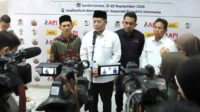
“Regarding the land taken over by the Satgas PKH and entrusted to Agrinas Palma for management, President Prabowo Subianto wants the management of these areas to involve local communities and cooperative members who are oil palm farmers,” Ferry said at the National Seminar on “Optimizing and Downstreaming Palm Oil Through Cooperatives” in the Musi Banyuasin Regent’s Office on Tuesday, August 11.
The seminar was attended by Deputy Minister of Cooperatives Farida Farichah, Secretary of the Ministry of Cooperatives Ahmad Zabadi, Deputy for Cooperative Business Development Panel Barus, Managing Director of the Revolving Fund Management Institution for Cooperatives (LPDB Koperasi) Krisdianto, Musi Banyuasin Regent H. M. Toha Tohet, Deputy Regent Rohman, Agrinas Palma President Director Mohammad Abdul Ghani, and representatives of the regional leadership forum.
Ferry encouraged active cooperatives operating in oil palm plantation areas to take a larger role in strengthening supply chains for the palm oil industry.
Also Read: Dry Season Fire Risk Rises, APHI-GAPKI Urge Palm Oil and Forestry Companies to Act Early
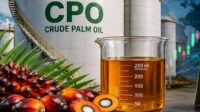
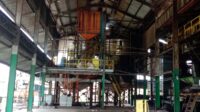
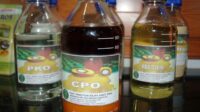
“Cooperatives are encouraged to establish their own CPO mills so that cooking oil and downstream products can eventually be supplied independently by cooperatives,” he said.
He said new strategies and instruments were needed to increase the productivity of smallholder plantations, including consolidating oil palm farmers through cooperative business entities.
Ferry outlined two potential business models for cooperative-based palm oil downstreaming: strengthening existing cooperatives and consolidating primary cooperatives through larger business entities.
Also Read: Agrinas Palma Strengthens Cooperative-Based Plasma Partnerships with Government Support in Riau
He expressed confidence that the program could succeed if all stakeholders contributed, particularly by providing access to financing.
“Existing plantation cooperatives can utilize the Revolving Fund Management Institution for Cooperatives as a solution to financing challenges. One example is Koperasi Mandiri Makmur, which has received financing from LPDB to produce CPO, and construction has now reached 45%,” Ferry said.
Agrinas Palma to Prioritize Cooperatives
Agrinas Palma President Director Mohammad Abdul Ghani said the company had received a special mandate under Presidential Regulation No. 5/2025 to manage oil palm plantations seized from illegally opened forest areas.
According to Ghani, approximately 4.1 million hectares of land seized by the Satgas PKH needs to be managed in a way that ensures its benefits return to communities, particularly through cooperatives.
Of the land entrusted to Agrinas Palma, at least 20% must be allocated as plasma plantations for local communities. Meeting the requirement, Ghani said, would require cooperation with local cooperatives.
“We will prioritize cooperatives around the plantation areas as vendors for plantation maintenance, harvesting and other activities. Given the scale of the areas we manage, cooperatives will be key partners in supporting palm oil downstreaming as well as food security,” he said.
Meanwhile, Panel Barus, Deputy for Cooperative Business Development at the Ministry of Cooperatives, said the model positions cooperatives not only as plantation managers but also as owners and operators of crude palm oil (CPO) processing facilities.
Also Read: South Sumatra FFB Prices Hit IDR 3,910.50/kg for Plasma Smallholders in August 2026
“By having more cooperatives move from the upstream to the downstream side of the palm oil industry, we expect this to improve community welfare,” he said.
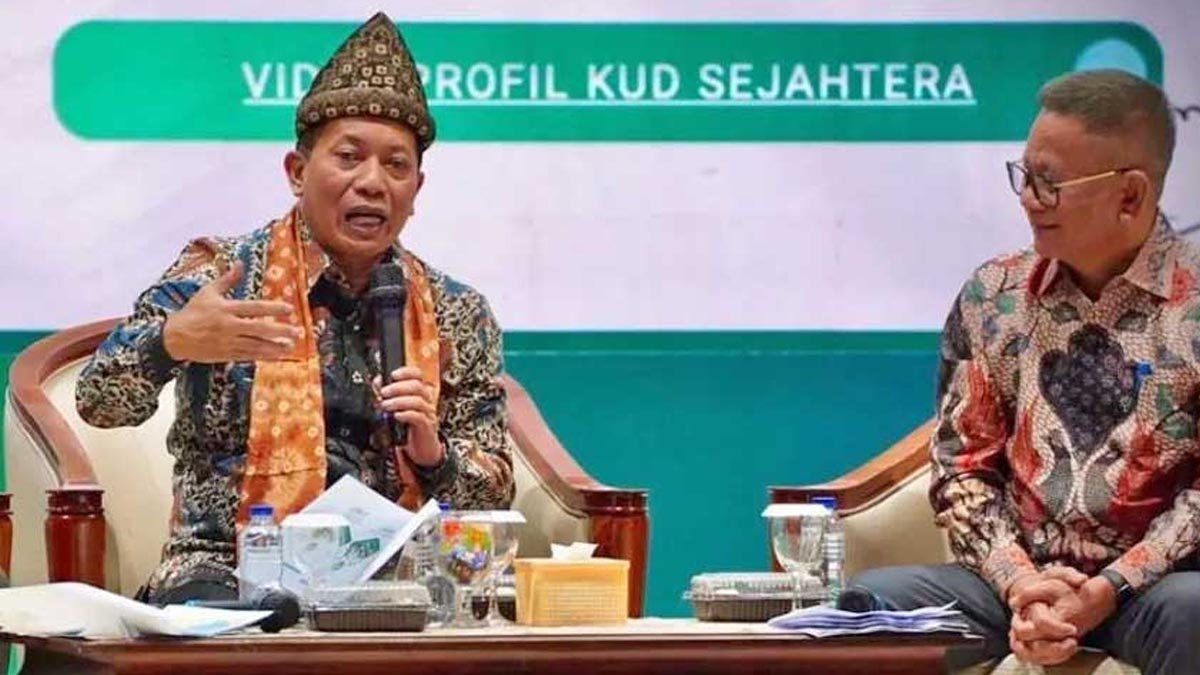
Musi Banyuasin Regent Toha Tohet expressed hope that more cooperatives would follow the example of KUD Sejahtera Banyuasin, which has developed its own CPO processing mill.
“We hope this will convince more oil palm farmers to join cooperatives. We also hope for continued support from the Ministry of Cooperatives, particularly in developing existing cooperatives,” Toha said. (P3)