PALMOILMAGAZINE, PALANGKA RAYA – Deputy Speaker III of the Central Kalimantan Regional Legislative Council (DPRD Kalteng), Junaidi, has called on the central government not to hand over the management of confiscated palm oil plantation lands to private companies. He emphasized that local government management would deliver more direct economic benefits to nearby communities.
“There are thousands of hectares of palm oil plantations in Central Kalimantan that have been reclaimed by the state because they are located within forest areas. Currently, the management is being handled temporarily by PT Agrinas Palma Nusantara,” Junaidi told Palmoilmagazine.com, citing Berita Sampit, Tuesday (Oct 7, 2025).
Junaidi underlined the importance of involving local governments in managing such assets to ensure the benefits go beyond state revenue and truly reach local people. He proposed that management should be carried out through Regional-Owned Enterprises (BUMD) or Municipal Enterprises (Perusda) at both the provincial and district levels.
Also Read: Central Kalimantan’s Palm–Cattle Integration Becomes National Model for Green Agriculture
“The provincial government could manage it through its BUMD, and the same goes for district or city governments where these plantations are located,” the Democratic Party legislator explained.
He also raised concerns over the legal status of some confiscated palm oil lands, urging the government to carefully trace their origins. Some areas, he noted, could include customary (ulayat) lands whose ownership and compensation remain unresolved.
“We must not overlook the rights of local communities. Some lands may have originally belonged to residents, later classified as forest areas, planted with oil palm, yet their compensation remains unclear,” he asserted.
Also Read: Kobar Agriculture Office Strengthens Smallholders’ Capacity Through ISPO Audit Training
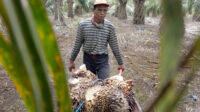
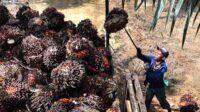
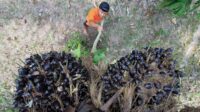
Junaidi further addressed the issue of fresh fruit bunch (FFB) thefts reportedly occurring in several confiscated plantation areas. He urged authorities to investigate the motives behind these incidents.
“If the land indeed belongs to the people, their rights must be restored. But if it’s proven to be theft, then it should be dealt with according to the law,” he concluded.
Through stronger local involvement, Junaidi hopes that the management of state-confiscated palm oil lands will become more transparent, equitable, and community-oriented, ensuring the benefits reach the people rather than a select few. (P2)