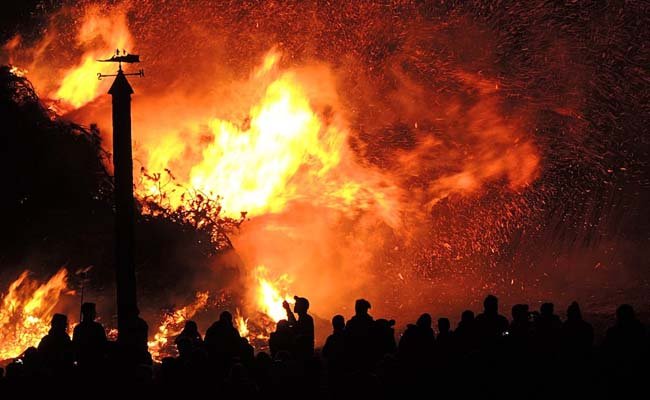
But with the global boiling and Indonesia’s chairmanship of ASEAN in 2023, there should be no relaxation against this practice.
Second, companies’ fire management, prevention and mitigation systems should be on high alert. The central government and local administrations should check how prepared are the palm oil companies to prevent another emergency of the magnitude of the 2015 fires. Even though tougher rules have been issued requiring plantation firms to restore degraded peatland, we still want to know how the rules have been enforced in the field.
Have plantation companies, notably those in fire-prone peatland areas in Riau and South Sumatra, already built up integrated fire-management systems supported with equipment and technology and the training of firefighting personnel? How is their cooperation with local administrations and smallholders and NGOs? Do they operate an extensive network of fire-monitoring posts and fire towers, ground patrol vehicles and water pumps?
It is imperative for palm oil companies to be geared up to face the threats of land/forest fires in and around concessions throughout their concession areas. Strong commitment on the part of companies to invest in and stay alert for fire prevention is also warranted as fire outbreaks can have immeasurable impacts, not only in legal and reputational costs but also extensive financial losses and health risks to both employees and community alike.
Also Read : Empowering Women in Palm Oil Cooperatives
Third, collaboration with the fire monitors of stakeholders is imperative. Determination to prevent land and forest fires should also be prompted by the market and stakeholders’ demand for accountability in fire prevention. With the widespread use of satellite technology, it is easy for concerned government agencies, organizations and NGOs to monitor fire hot spots in any locations, including palm oil concessions.
Producers and consumers of popular branded goods are closely working with many organizations providing satellite monitoring of forest and land fires and issuing daily warnings and alerts anytime a fire is spotted or detected in palm oil plantations.
The palm oil industry has been evolving toward a modern fire-management system and has been embracing sustainability platforms, including those related to the prevention of fires and haze threats.
Also Read : West Kalimantan Palm Oil Concession Area Spans 3.4 Million
But certainly, palm oil companies cannot simply erect “walls” around their concessions by installing fire monitoring, detecting and extinguishing equipment and maintaining their own firefighting response teams. Their fire-prevention systems will never be effective without good cooperation with local administrations and local people. Therefore, they should from the outset include the participation and empowerment of surrounding communities in mitigating forest and land fires.
Consequently, it is important for all concerned stakeholders to work together and align efforts to craft and execute a nationwide, multi-stakeholder framework on early warning, detection and mitigation of forest and land fires, supported by a strong grassroots movement to prevent a permanent era of global-boiling.
By :
Agam Fatchurrochman and Edi Suhardi
Sustainability analysts