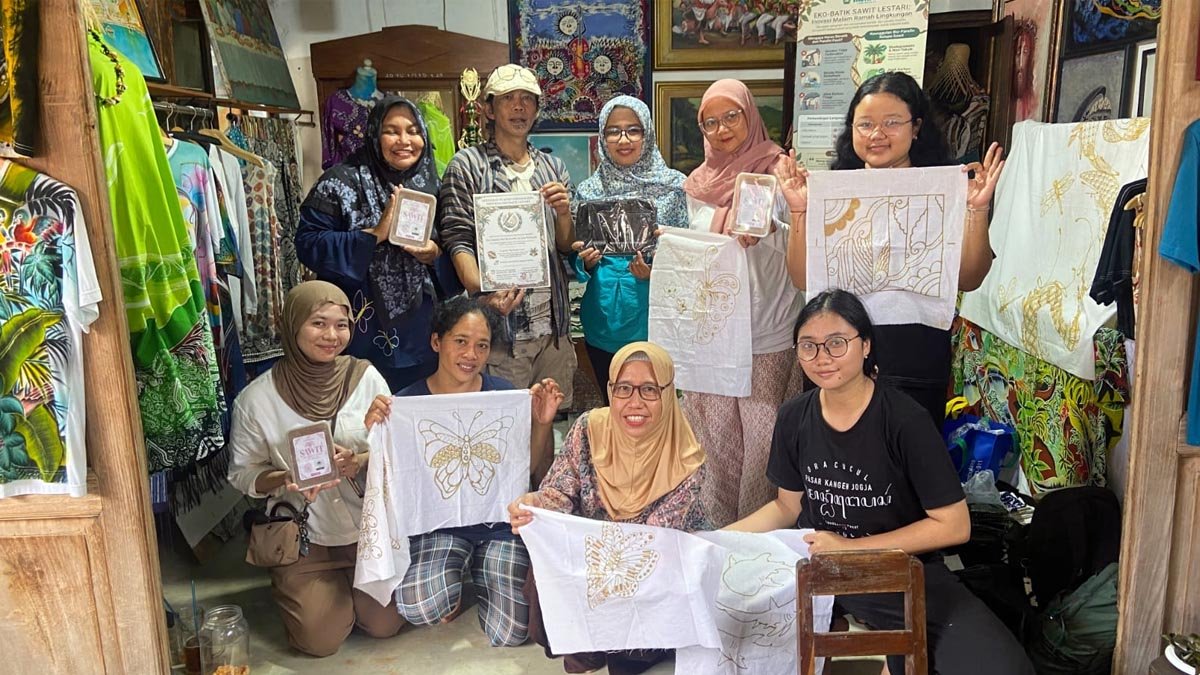
PALMOILMAGAZINE, YOGYAKARTA – Efforts to preserve batik as a cultural heritage continue to evolve alongside growing demands for sustainability. In Yogyakarta, batik is not only a symbol of cultural identity but also a vital part of the local economy and tourism. Its recognition by UNESCO as an intangible cultural heritage since 2009 has further strengthened its strategic role in society.
However, behind its cultural significance, batik production still faces challenges—particularly the reliance on paraffin-based wax derived from fossil fuels. Addressing this issue, INSTIPER Yogyakarta has introduced an innovative palm oil-based batik wax to artisans in Kampung Batik Tamansari.
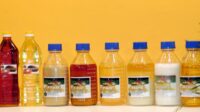
The initiative is part of a community engagement program led by Betti Yuniasih, focusing on education and practical application of stearin-based wax—a solid fraction derived from palm oil—as a sustainable alternative to paraffin.
Also Read: INSTIPER Prepares Job-Ready Graduates, 56 SDM PKS Students Undergo Estate Assistant Certification
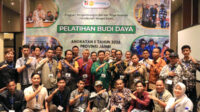
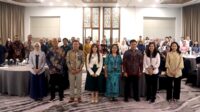
Conducted from January to April 2026, the program involved 10 artisans from the Tamansari Batik Association. According to Betti, Tamansari was selected due to its status as a prominent batik hub and a popular tourist destination, attracting both domestic and international visitors.
“This program not only targets artisans but also serves as a campaign to promote environmentally friendly palm oil derivatives,” Betti told Palmoilmagazine.com on Wednesday (April 15).
The program began with a pre-test to assess participants’ understanding of batik wax and the potential of stearin as a substitute for paraffin. The results revealed that most participants were unfamiliar with palm-based wax, and none had previously used it in their batik processes.
Also Read: CPO Prices Slide on Tuesday (April 14), KPBN and Bursa Malaysia Weaken Amid Global Market Pressure
Activities then continued with educational sessions, hands-on practice in applying the wax, quality testing, focus group discussions on challenges encountered, and ongoing mentoring.
Trial results showed strong positive feedback. Artisans found that palm-based wax performed better than conventional wax.
Chairman of the association, Iwan Setiawan, noted that the wax melts faster, produces less smoke, and emits no strong odor. Additionally, the waxing process becomes smoother as the material is less sticky, improving overall efficiency.
Also Read: INSTIPER and Industry Begin Construction of SPOT Palm Oil Facility
“The quality test results show that palm-based wax is superior to what we usually use. It melts faster, produces less smoke, and has a milder aroma. It is also easier to apply and less sticky, making our work more efficient,” Iwan explained.
The resulting batik also demonstrated improved quality. The wax did not crack easily, allowing it to function effectively as a dye resist. The protected fabric areas remained clean and free from residue after the wax removal process, while the coloring results were consistent and well-defined.
Through this initiative, INSTIPER encourages artisans in Kampung Batik Tamansari to preserve batik while producing more sustainable products by utilizing environmentally friendly materials such as palm-based wax. Stearin, as a derivative of palm oil, offers a viable substitute for paraffin due to its biodegradable nature, renewability, and lower greenhouse gas emissions.
Also Read: Attorney General Returns IDR11.42 Trillion, Forest Task Force Accelerates Massive Asset Recovery
The program is expected to continue and expand through collaboration with various stakeholders to support sustainable batik production in Tamansari.
“We are interested in switching to palm-based batik wax because it is more environmentally friendly. We also hope that collaboration with INSTIPER and other stakeholders can continue. We are open to partnerships, including with palm oil companies, to help realize sustainable eco-batik as envisioned in this program,” Iwan concluded. (P3)