PALMOILMAGAZINE, JAKARTA — The Plantation Fund Management Agency (BPDP) has emphasized that proposals submitted under the 2026 BPDP Research Grant Call for Proposal must go beyond academic objectives and serve as practical roadmaps toward real industrial solutions with measurable impacts.
The agency stressed that future research initiatives should prioritize applied innovation, productivity improvement, operational efficiency, value creation, and the welfare of oil palm farmers as well as stakeholders in Indonesia’s strategic commodity sectors.
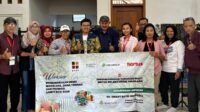
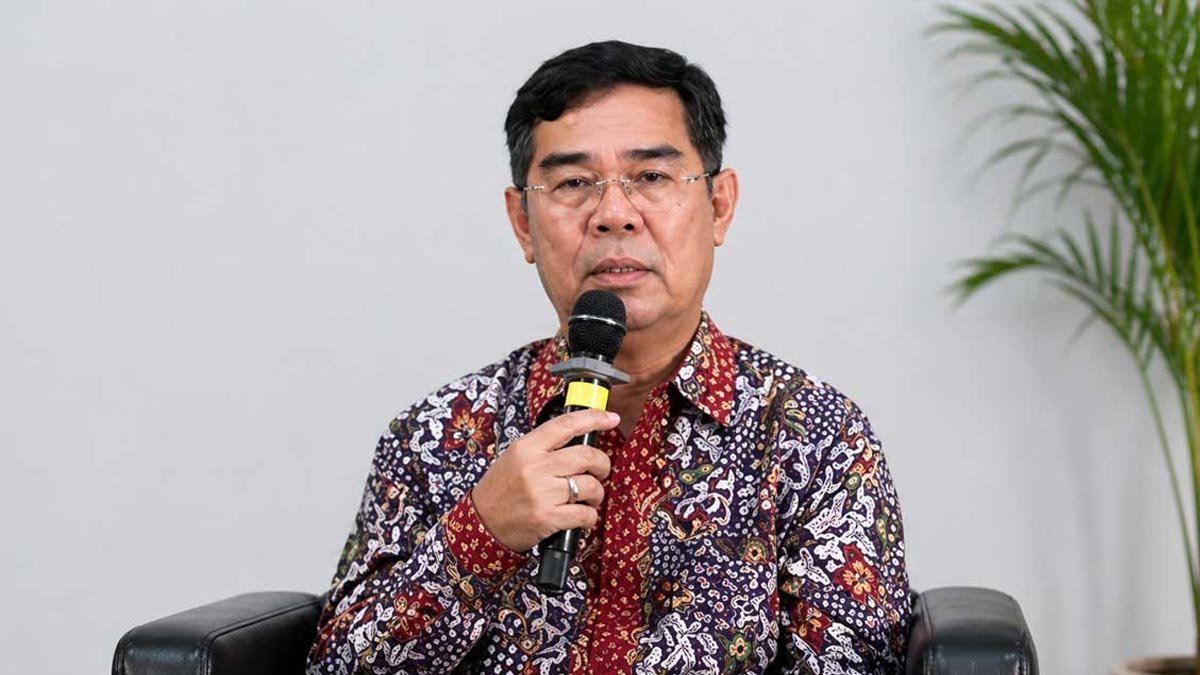
The statement was delivered by Tony Liwang during the Webinar Call for Proposal Grant Riset BPDP 2026 held on Thursday (30/4/2026), attended by Palmoilmagazine.com.
Also Read: PTPN IV PalmCo and ITS Launch Five-Year Partnership to Develop Palm-Based Green Fuel
According to Tony, one of the biggest challenges facing the palm oil, coconut, and cocoa sectors today is not the lack of research ideas, but the persistent gap between laboratory research outcomes and industrial implementation.
For that reason, BPDP expects its research grant program to accelerate the downstreaming of innovations and support their transition toward commercialization.
“Our biggest challenge is not the shortage of ideas, but how to bridge the gap between laboratories and industry. The proposals we expect are research projects ready to move toward commercialization and deliver real impacts,” Tony explained.
Also Read: From Tanzania to Indonesia: A Joint Effort to Develop More Resilient Palm Oil
Prioritizing Applied Solutions and Industrial Impact
Tony revealed that BPDP currently focuses on six priority research areas: energy, oleochemicals and materials, food and feed, health, cultivation and agronomy, as well as environment and waste management.
However, regardless of the selected field, all proposals are required to address four main aspects: productivity, efficiency, value-added creation, and measurable impacts on farmer welfare.
Under the evaluation scheme, around 40 percent of the total assessment weight will be allocated to proposals demonstrating practical solutions and clear industrial impacts.
“Our reviewers are industry practitioners and experts who understand the palm oil, coconut, and cocoa sectors. Researchers do not need to spend too much time explaining general matters. Focus the proposal on the problems, solutions, innovations, and industrial benefits,” he said.
Also Read: CPOPC and Papua New Guinea Advance Partnership for Sustainable Palm Oil Development
Concise, Data-Driven, and Original Proposals
The BPDP Research and Development Committee also reminded applicants that proposals should be concise, systematic, data-driven, and based on strong analysis rather than opinions.
Research titles are expected to be specific, aligned with national priorities, contain innovative elements, and clearly demonstrate originality.
Also Read: Indonesia Sets May 2026 Biodiesel Market Index Price at IDR 14,917 per Liter
Tony stressed that the abstract or executive summary plays a crucial role as an initial screening filter during the review process. Therefore, researchers are encouraged to prepare concise and well-structured summaries that clearly address the 5W+1H framework while emphasizing how the innovation can be implemented.
In addition, BPDP recommends that the main proposal content should ideally not exceed 20 pages, excluding appendices, to ensure the substance can be evaluated more effectively.
Research Outputs Must Be Replicable and Commercially Viable
Tony further emphasized that research methodologies must be clear, measurable, and replicable to ensure strong scientific validity and scalability for future development.
The agency expects research outputs to extend beyond scientific publications and include prototypes, development models, datasets, fabrication technologies, policy recommendations, as well as broader socio-economic and environmental impacts for communities.
Also Read: Riau Plasma FFB Prices Fall to IDR3,874.93/Kg for May 6–12, 2026
Commercialization potential also remains a key consideration in the evaluation process. Proposals involving multidisciplinary collaboration, industrial partnerships, and clear implementation roadmaps are expected to have stronger chances of passing the selection stage.
“Excellent research grant proposals are not merely about fulfilling academic requirements. They must become roadmaps toward real, measurable solutions that strengthen the competitiveness of Indonesia’s palm oil, coconut, and cocoa ecosystems,” Tony concluded. (P2)