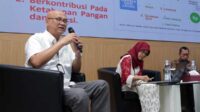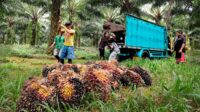

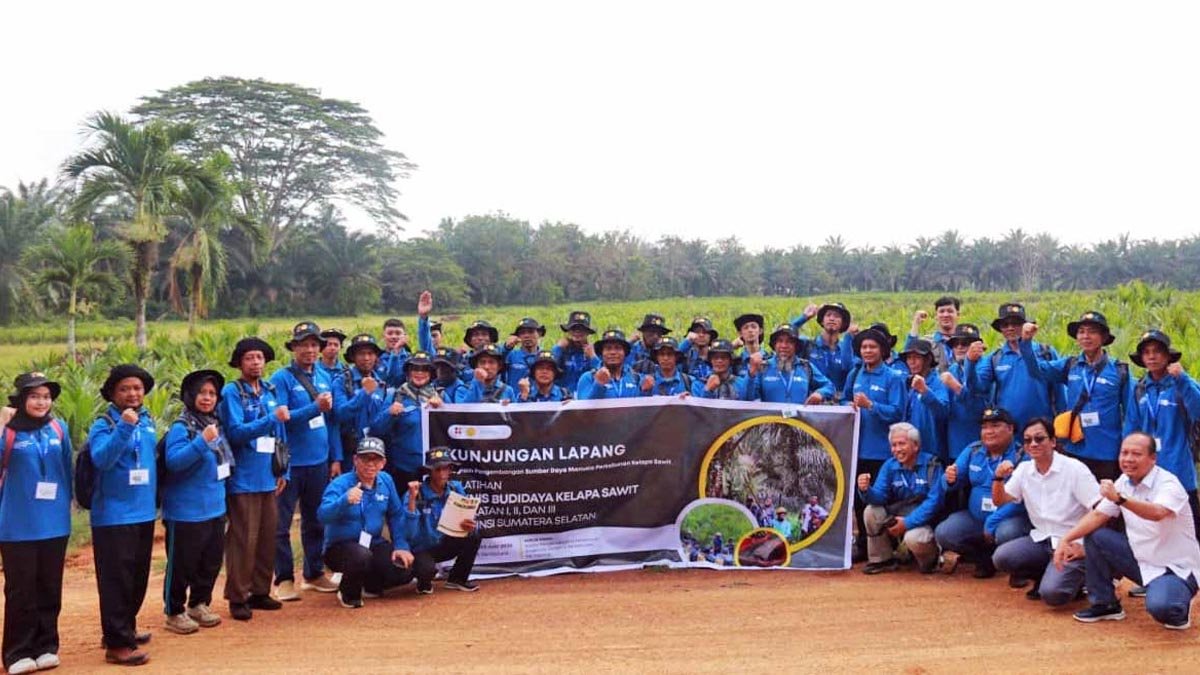
PALEMBANG – Efforts to improve the productivity of Indonesia’s smallholder oil palm plantations continue to gain momentum through investments in human resource development. A total of 106 oil palm farmers from Muara Enim Regency, South Sumatra, participated in an Oil Palm Cultivation Training Program held in Palembang from June 18 to 23, 2026.
The training formed part of the 2026 Oil Palm Human Resources Development Program, jointly organized by the Plantation Fund Management Agency (BPDP), the Directorate General of Estates of the Ministry of Agriculture, and IPB Training.
The initiative was designed to address several persistent challenges faced by smallholder growers. Although smallholders manage more than 42% of Indonesia’s oil palm plantation area, productivity often remains constrained by the use of uncertified seeds, inadequate cultivation practices, and suboptimal plantation management.
Also Read: KPBN CPO Price Falls to IDR 15,350/kg on June 25 as Malaysian Palm Oil Extends Three-Day Decline
Participants, divided into three training batches, received comprehensive instruction covering plantation regulations, seed and planting material preparation, land management, planting techniques, crop maintenance, fertilization practices, and pest and disease control.
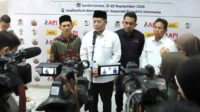
The opening ceremony was attended by Acting Head of the South Sumatra Plantation Office M. Ichwansyah, representatives of the Agricultural Extension and Human Resources Development Agency (BPPSDMP), officials from the Directorate General of Estates, and representatives from IPB Training, together with oil palm experts and industry practitioners.
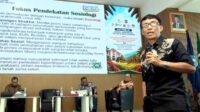
Carrying the theme “Superior Human Resources, Prosperous Farmers,” the program emphasized not only classroom-based learning but also practical experiences that participants could directly apply in their own plantations.
Also Read: Palm Oil as a Renewable Natural Resource
Hands-On Learning from Nursery to Harvest
During the practical sessions, participants received technical training covering various stages of oil palm cultivation. Activities included transplanting seedlings from pre-nursery to main nursery, preparing growing media, establishing planting holes, and conducting field layout using the triangular planting system commonly adopted in commercial plantations.
According to information received by Palmoilmagazine.com on Wednesday (June 24, 2026), farmers also learned how to use pH meters and litmus paper for soil analysis, evaluate fertilizer quality through simple testing methods, and calibrate knapsack sprayers to accurately determine spray solution requirements per hectare.
Also Read: Bumitama Berdaya Strengthens Education Ecosystem from Classrooms to Career Readiness
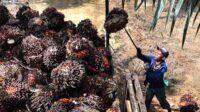
In addition, demonstrations on harvesting tools and proper harvesting techniques were conducted to improve farmers’ operational skills.
Throughout the training, participants actively discussed field challenges frequently encountered in smallholder plantations, including counterfeit seeds, ganoderma disease management, effective fertilization strategies, and the control of common pests and diseases.
Also Read: Indonesia Accelerates B50 Rollout as Cross-Sector Testing Advances Ahead of July Launch
Field Learning at Sembawa Research Center
The training program culminated with a field visit to the Sembawa Research Center in South Sumatra, where participants observed best management practices directly in plantation conditions.
The field activities were divided into three major sessions. During the nursery session, participants learned about irrigation practices, weed management, fertilization, pest and disease control, and seedling selection. Farmers also practiced growing media preparation and interacted directly with nursery specialists.
Also Read: CBUT Posts Higher Q1 2026 Earnings as Downstream Palm Oil Strategy Delivers Results
The second session took place in immature plantation areas, where participants studied young plant maintenance, pest and disease identification, and appropriate control measures.
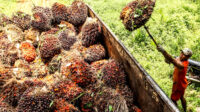
Meanwhile, in mature plantation blocks, farmers received training on managing productive palms, determining harvest maturity, identifying pest and disease symptoms, and conducting harvesting simulations using standard plantation equipment.
By integrating classroom instruction, technical practice, and field exposure, the program is expected to improve the competency of smallholder oil palm farmers and support higher plantation productivity. Better cultivation skills are also anticipated to reduce technical errors in the field while helping develop more professional, independent, and prosperous oil palm growers. (P2)