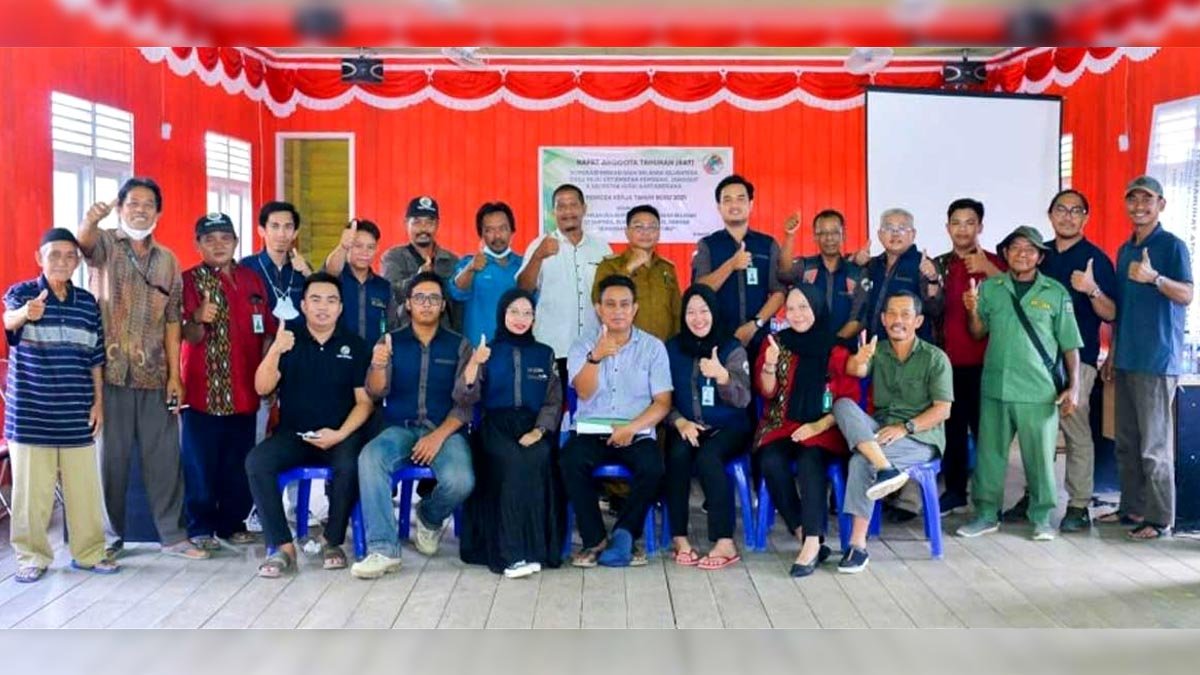
Certification is helping independent oil palm farmers strengthen cooperative institutions, gain greater control over production data, improve bargaining power and channel palm oil revenues into broader village development.
PALMOILMAGAZINE, KUTAI KARTANEGARA — As sustainability requirements increasingly reshape the palm oil industry, the Belayan Sejahtera Plantation Cooperative in Muai Village, Kembang Janggut District, Kutai Kartanegara, East Kalimantan, is showing how certification can go beyond market access to strengthen farmer institutions, improve livelihoods and build greater economic independence at the village level.
Reported by PalmOilMagazine from the Indonesian Sustainable Palm Oil Farmers Forum (FORTASBI), the cooperative’s transformation began in 2022, when 157 independent smallholders managing about 578 hectares decided to pursue certification under the Roundtable on Sustainable Palm Oil (RSPO).
Also Read: Palm Oil Smallholders Plant 5,000 Trees to Restore Ecosystems in Aceh Tamiang
The move marked a turning point in how farmers managed both their plantations and their organization.
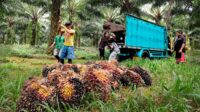
As confidence in the benefits of certification grew, membership expanded. The cooperative now brings together 331 smallholders managing about 1,331 hectares, more than double the number of farmers and planted area covered when the program began.
For Belayan Sejahtera, certification has been about more than gaining recognition in international markets. The process has encouraged farmers to establish more systematic administrative and management practices, including member registration, precise plantation mapping, land legality, production traceability, occupational safety and environmental protection.
That shift has gradually changed the farmers’ position within the palm oil supply chain. Information on plantation areas, production, environmental conditions and marketing channels that was previously largely controlled by industry players is increasingly being managed directly by the cooperative.
Jamaluddin, Group Manager of Koperasi Belayan Sejahtera, said control over reliable data was becoming a critical foundation for strengthening farmers’ bargaining position.
A cooperative with comprehensive data, he said, is better equipped to plan its business, measure productivity, identify risks and negotiate with various stakeholders.
Also Read: Indonesia Sets August Biodiesel Market Index Price at IDR14,924 per Liter
The transformation has also generated broader economic benefits. Revenue from the sale of RSPO credits has not only been distributed among members but also used to strengthen cooperative assets, including through the purchase of heavy equipment, construction of storage facilities and development of new businesses.
Part of the funds has also been directed toward education, healthcare services, the construction of farm roads and the development of alternative income-generating activities for surrounding communities.
The model demonstrates that the benefits of sustainable palm oil can extend beyond higher farmer incomes, creating a multiplier effect that supports wider village economic development.
Also Read: Indonesia’s 50% DHE Policy Raises Liquidity Concerns for Palm Oil Industry
FORTASBI said the Belayan Sejahtera experience illustrates that empowering smallholders requires more than simply increasing plantation productivity. Support for certification, accelerated land legalization, stronger farmer data systems and improved production infrastructure are also critical to strengthening the competitiveness of independent smallholders in global markets.
Today, Koperasi Belayan Sejahtera has evolved beyond its traditional role as a marketing organization for farmers’ fresh fruit bunches. It has become a platform for strengthening the village economy, demonstrating that independent oil palm smallholders can play a central role in building plantation management systems that are productive, sustainable and competitive. (P2)