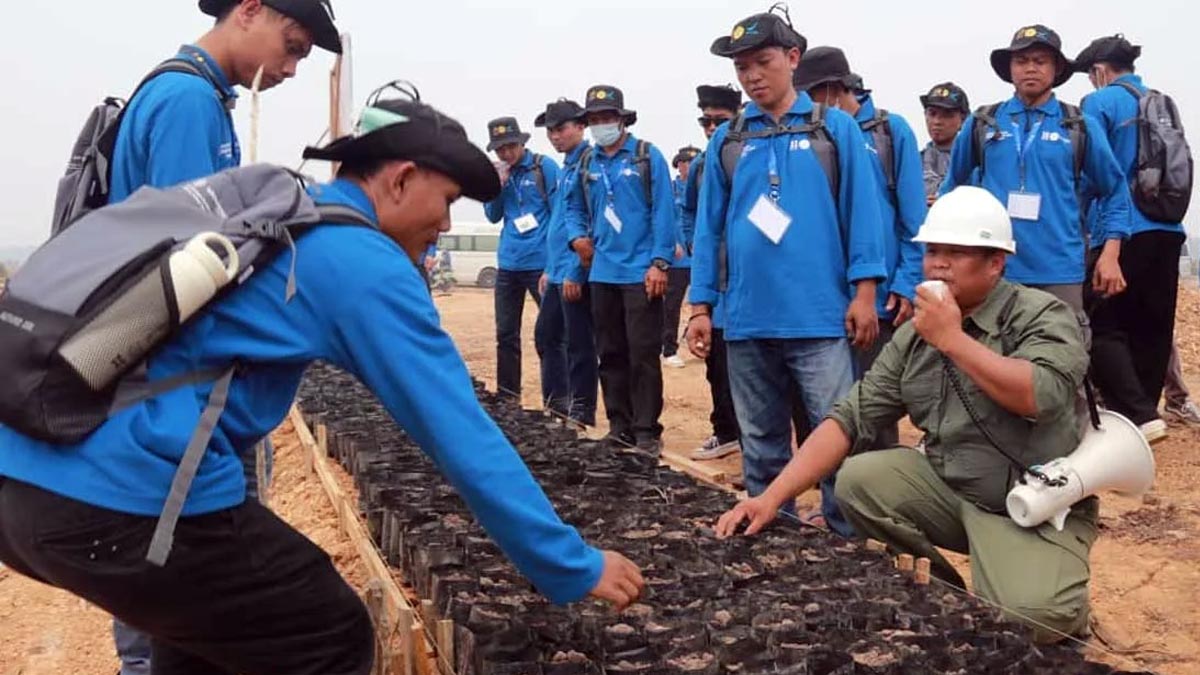
Certified planting material can provide a stronger productivity foundation for smallholders, while poor seed selection can weigh on plantation performance for decades.
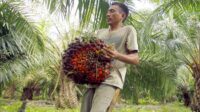
PALMOILMAGAZINE, PALEMBANG — Oil palm smallholders in South Sumatra are being urged to prioritize certified planting material rather than low prices when establishing or replanting plantations, as the quality of seedlings can have a long-term impact on productivity and farm returns.
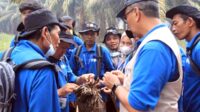
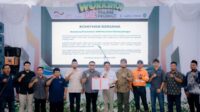
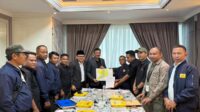
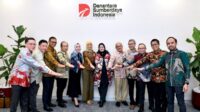
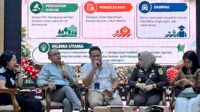
The issue was highlighted during an oil palm cultivation training program attended by 176 smallholders from Ogan Komering Ulu (OKU), South Sumatra. The training, held from Sept. 29 to Oct. 4, 2026, was organized through a collaboration between the Plantation Fund Management Agency or Badan Pengelola Dana Perkebunan (BPDP), the Directorate General of Plantations, and IPB Training.
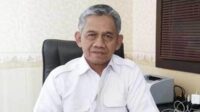
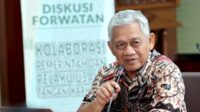
Muhammad Sigit Susanto, director of IPB Training, said price should not be the primary consideration when smallholders purchase oil palm seedlings. Certified planting material, he said, offers a more reliable foundation for developing plantations with higher production potential.
Also Read: Indonesia Seizes Nearly 76,000 Illegal Oil Palm Seeds, Averting Potential IDR42 Billion Losses
“Smallholders should choose certified seedlings. The productivity potential of superior planting material has been researched in laboratories and demonstrated in the field,” Sigit said in a statement received by PalmOilMagazine on Oct. 4.
Seed selection is particularly important because oil palm is a long-cycle plantation crop requiring substantial investment. Planting material with poor production potential can leave farmers bearing the costs of fertilizer, labor and maintenance without achieving optimal yields.
By contrast, superior planting material can provide the genetic foundation for higher productivity. However, genetic potential alone is not sufficient. Plantation performance also depends on suitable growing conditions and proper agronomic practices throughout the crop cycle.
Also Read: 176 OKU Smallholders Receive Palm Oil Cultivation Training to Boost Productivity
During the training, participants learned how to distinguish superior planting material from non-superior material, verify seed origins and manage the nursery process from the pre-nursery to the main nursery stage. They were also trained to identify abnormal seedlings before field planting.
The sessions covered the selection of superior planting material and the reasons for choosing particular varieties, including the characteristics of tenera-type palms widely cultivated in commercial oil palm plantations.
Training Covers Full Oil Palm Cultivation Cycle
The training, conducted across six batches from Batch XXX to XXXV, went beyond planting material selection. Participants also received instruction on land preparation, planting, plantation maintenance, fertilization, weed control, and the management of pests and diseases.
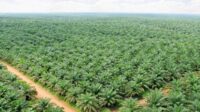
The training is particularly relevant to OKU, which has around 72,900 hectares of oil palm plantations, most of which are managed by smallholders. As interest in oil palm cultivation continues to grow in the area, planting material quality remains a key factor in maintaining plantation productivity.
Also Read: Palm Biomass’s Big Promise Faces Its Real Test on the Ground
Relatively favorable palm oil prices have also encouraged some rubber farmers in the region to develop or switch part of their operations to oil palm. However, expanding plantation activities requires adequate technical knowledge to ensure that decisions made from land preparation through crop maintenance do not undermine long-term farm performance.
For smallholders, certified planting material should therefore be viewed as an investment decision rather than simply an upfront cost. Selecting the right planting material, combined with consistent plantation management, can help farmers maximize productivity and strengthen the long-term sustainability of their oil palm businesses. (P2)