The farmers’ association pledged to support farmer registration, plantation legality, and sustainability certification as North Konawe accelerates implementation of its Regional Action Plan for Sustainable Palm Oil.
PALMOILMAGAZINE, North Konawe, Indonesia — The Serikat Petani Kelapa Sawit (SPKS) has reaffirmed its commitment to supporting the North Konawe Regency Government in accelerating the implementation of its Regional Action Plan (RAD) for Sustainable Palm Oil, with a strong emphasis on improving the legality, productivity, and sustainability of smallholder plantations.
In an official statement received by PalmOilMagazine on Saturday, August 1, 2026. Speaking at the Multi-Stakeholder Sustainable Palm Oil Workshop held at the Regional Development Planning Agency (Baperidda) office in North Konawe on July 30, SPKS Chairman Sabarudin said effective implementation of the regional action plan requires close collaboration among local governments, farmers, plantation companies, academics, and civil society organizations.
Also Read: SPKS Urges Stronger BPDP Funding to Expand Palm Oil Certification and Boost Smallholder Productivity
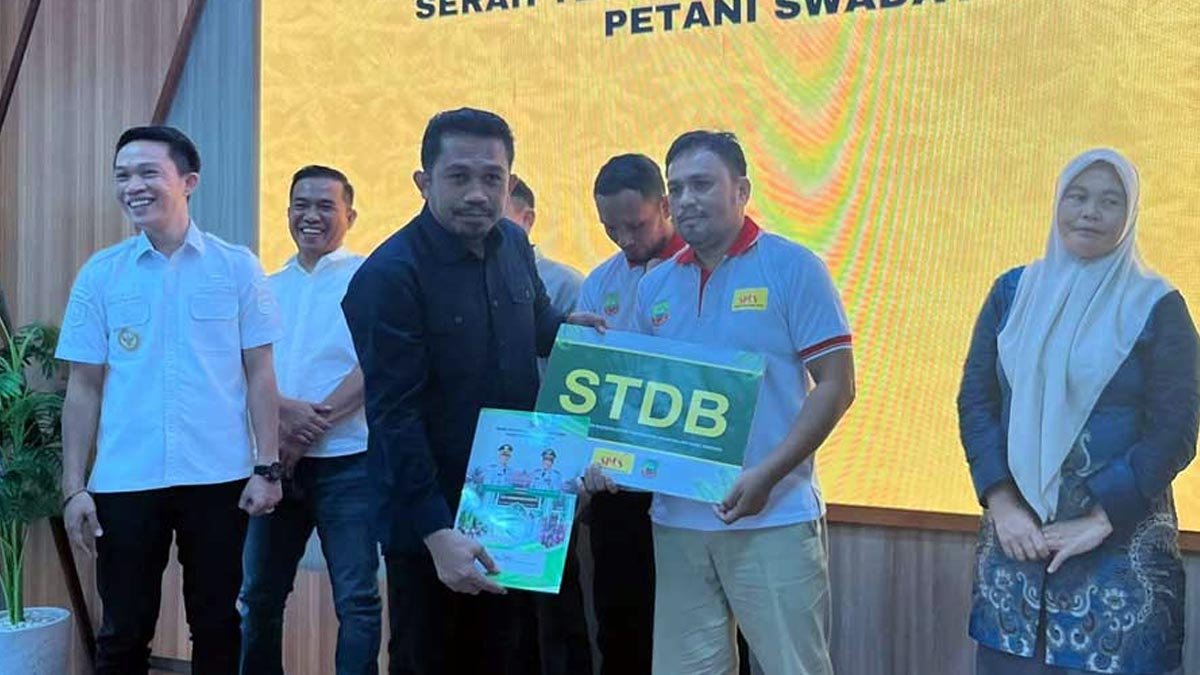
The workshop, officially opened by North Konawe Regent Dr. H. Ikbar, focused on accelerating farmer registration for the issuance of Smallholder Plantation Registration Certificates (STDB), implementation of the Indonesian Sustainable Palm Oil (ISPO) standard, and broader support for the district’s sustainable palm oil roadmap.
According to Sabarudin, accurate farmer registration, polygon-based plantation mapping, STDB issuance, and wider ISPO adoption form the foundation of a more transparent and sustainable smallholder palm oil sector.
“Comprehensive farmer data is the cornerstone of sustainable smallholder palm oil development. Reliable data will accelerate plantation legalization, improve access to financing, expand certification opportunities, and strengthen the competitiveness of independent smallholders in both domestic and international markets,” he said in a statement.
Also Read: SPKS Welcomes 80% Plasma Plan, Urges Stronger Land Reform and Oversight
SPKS, he added, is ready to become a strategic partner of the North Konawe administration by assisting farmers, strengthening farmer organizations, enhancing human resource capacity, and supporting the acceleration of ISPO certification.
The organization also pledged to improve smallholder productivity through the adoption of Good Agricultural Practices (GAP), the use of certified planting materials, participation in the Smallholder Palm Oil Replanting (PSR) program, and continuous technical assistance aimed at increasing yields without expanding cultivated land.
During the workshop, SPKS also reiterated its support for Indonesia’s B50 biodiesel mandate, while emphasizing that the success of the renewable energy program must be accompanied by stronger support for independent smallholders.
Also Read: EU Exempts Palm Oil Waste from EUDR, Creating New Opportunities for Circular Economy Growth
Sabarudin said rising demand for biodiesel feedstock should be matched by higher plantation productivity, improved access to technology and extension services, and fair pricing policies for fresh fruit bunches (FFB), ensuring that millions of oil palm farmers benefit directly from the country’s energy transition.
Regent Dr. H. Ikbar described farmer registration as a strategic step toward establishing a well-governed plantation sector that complies with national regulations, including ISPO certification requirements.
He explained that accurate farmer data serves not only administrative purposes but also enables the government to identify growers, plantation locations and sizes, land status, planting materials, and production potential. Such information will provide the basis for policymaking, financial assistance, extension programs, and other government support.
Also Read: Why Palm Oil Is Widely Used in Packaged Foods: Seven Advantages That Keep It an Industry Favorite
“Going forward, we need truly accurate data. There should be no duplicate registrations for the same farmer while others remain unregistered. Reliable data is essential for ensuring farmers receive proper protection and empowerment,” Ikbar said.
He also called on village administrations and relevant agencies to verify beneficiary data carefully so that the distribution of seedlings and other plantation assistance programs reaches eligible farmers and avoids misuse.
According to the regent, accelerating STDB issuance and ISPO certification will strengthen the legal standing of smallholder plantations while improving the competitiveness of North Konawe’s palm oil industry in domestic and export markets.
North Konawe Regional House of Representatives (DPRD) Chairman Herman Sewani also expressed support for the initiative, describing palm oil as a strategic commodity that plays a vital role in improving rural livelihoods.
He urged all stakeholders to work together to resolve challenges still facing farmers, including issues related to forest land status, without slowing efforts to improve community welfare.
Through the workshop, the North Konawe administration aims to accelerate STDB registration and ISPO certification, strengthening plantation legality, enhancing the competitiveness of smallholder palm oil, and advancing sustainable industry development that delivers long-term benefits for both regional economic growth and farmer prosperity. (P2)