
PALMOILMAGAZINE, JAKARTA, INDONESIA — Clear land ownership and management responsibilities are essential to strengthening environmental protection, preventing land degradation and ensuring the long-term sustainability of Indonesia’s oil palm plantations, an IPB University professor says.
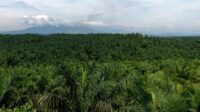
Prof. Budi Mulyanto, a professor at IPB University (Bogor Agricultural University), said Indonesia has favourable agroclimatic conditions for oil palm cultivation. Its tropical climate, adequate rainfall and relatively short dry seasons provide an environment well suited to the crop.
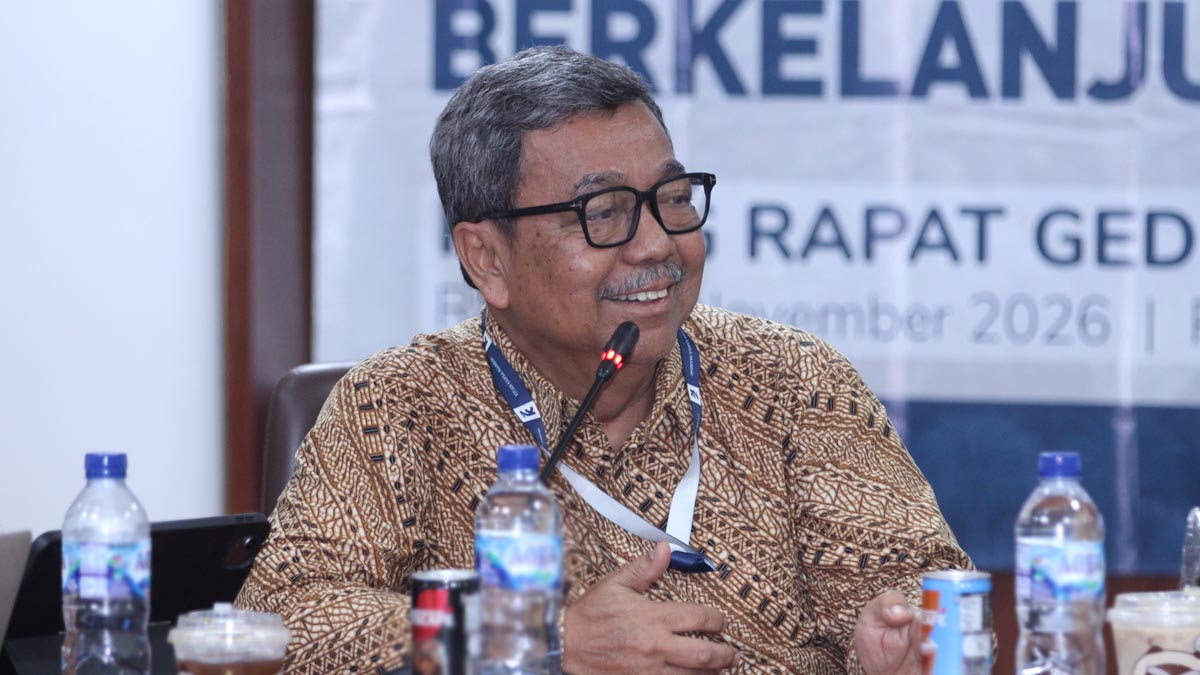
“Oil palm has found a favourable home in Indonesia. We are a tropical country, with suitable rainfall and dry seasons that do not last more than three months,” he said during a discussion hosted by the Agricultural Journalists Forum (FORWATAN) under the theme Strengthening Good Agricultural Practices and Productivity to Achieve Sustainable Palm Oil at Building C of the Ministry of Agriculture in Jakarta on Wednesday (Nov. 18, 2026).
Also Read: Indonesia Targets Smallholder Palm Oil Productivity Gains Through GAP and Land Legalization
Prof. Budi also highlighted oil palm’s photosynthetic efficiency, noting that the crop absorbs carbon dioxide (CO2), uses solar energy and releases oxygen through the photosynthesis process.
“Claims that oil palm is a cause of global warming are fundamentally mistaken. As it absorbs CO2, the plant also captures solar energy and stores it. Oil palm absorbs carbon dioxide and releases oxygen,” he said.
Beyond its primary products, Prof. Budi said various parts of the oil palm and its processing by-products offer opportunities for further utilisation. These include palm oil mill effluent (POME), which can be processed using appropriate technologies to generate additional economic value.
He said technological development in waste management could help improve resource efficiency and create new value streams across the palm oil industry.
On forest and land fires, Prof. Budi stressed that clear land tenure and identifiable rights holders are critical to improving land management and environmental accountability.
He argued that when land ownership or management rights are clearly established, the responsible parties have a stronger incentive to maintain and protect their land, helping reduce the risk of environmental damage.
Also Read: Astra Agro Steps Up Palm Oil Pest and Disease Research to Protect Plantation Productivity
“Every parcel of land must have a clearly identified rights holder. When ownership is clear, the land is more likely to be properly maintained. When it is unclear, problems like what we are seeing today can arise,” he said.
He concluded that strengthening land tenure certainty should be part of broader efforts to improve plantation governance and support the sustainability of Indonesia’s palm oil industry. (P3)