
Indonesia’s gas infrastructure is being positioned to accommodate biomethane produced from palm oil mill effluent, creating a new pathway for turning palm oil waste into low-carbon industrial energy.
PALMOILMAGAZINE, JAKARTA — PT Perusahaan Gas Negara Tbk (PGN) is preparing to integrate biomethane into Indonesia’s national gas infrastructure as the company seeks to expand the use of lower-carbon energy sources, including biomethane produced from palm oil mill effluent (POME).
One of the projects nearing the final stages of development is located in South Sumatra, a major palm oil-producing region. The facility is being developed through a partnership between PT Toyota Tsusho Indonesia (TTI) and PT KIS Biofuels Indonesia (KIS), with PGN positioned to support the distribution of the resulting biomethane through its existing gas network.
Also Read: Closing the Biomethane Loop: Why POME Must Become Part of Indonesia’s Energy Strategy
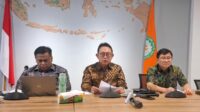
PGN Corporate Secretary Fajriyah Usman said the project is part of the company’s efforts to develop biomethane as a domestic energy source while strengthening the integration of renewable gas into Indonesia’s energy system.
PGN attended the groundbreaking ceremony for the biomethane facility developed by TTI and KIS on Monday (Oct. 5, 2026). The facility will process organic waste from the palm oil industry and is expected to produce about 150,000 million British thermal units (MMBtu) of biomethane annually.
According to Fajriyah, the project represents an early initiative in Indonesia to produce biomethane in Sumatra, where palm oil mills are concentrated. It also follows up on a 2022 Memorandum of Understanding between PGN and TTI covering the development of biomethane in Indonesia.
Also Read: PGN Biomethane Project in South Sumatera: Harnessing Palm Oil Waste for Clean Energy
PGN to Serve as Biomethane Offtaker and Distributor
Under the planned commercial structure, PGN will act as the primary offtaker and distribute the biomethane through its existing gas pipeline infrastructure.
The biomethane will be produced by PT KIS Toyota Tsusho Biomethane Indonesia (KTBI), a joint venture between KIS and TTI. The renewable gas is planned to supply Toyota Motor Manufacturing Indonesia (TMMIN) and other industrial customers through PGN’s network.
Fajriyah welcomed the initiative, describing the project as an important step toward incorporating domestically produced renewable gas into Indonesia’s energy supply chain.
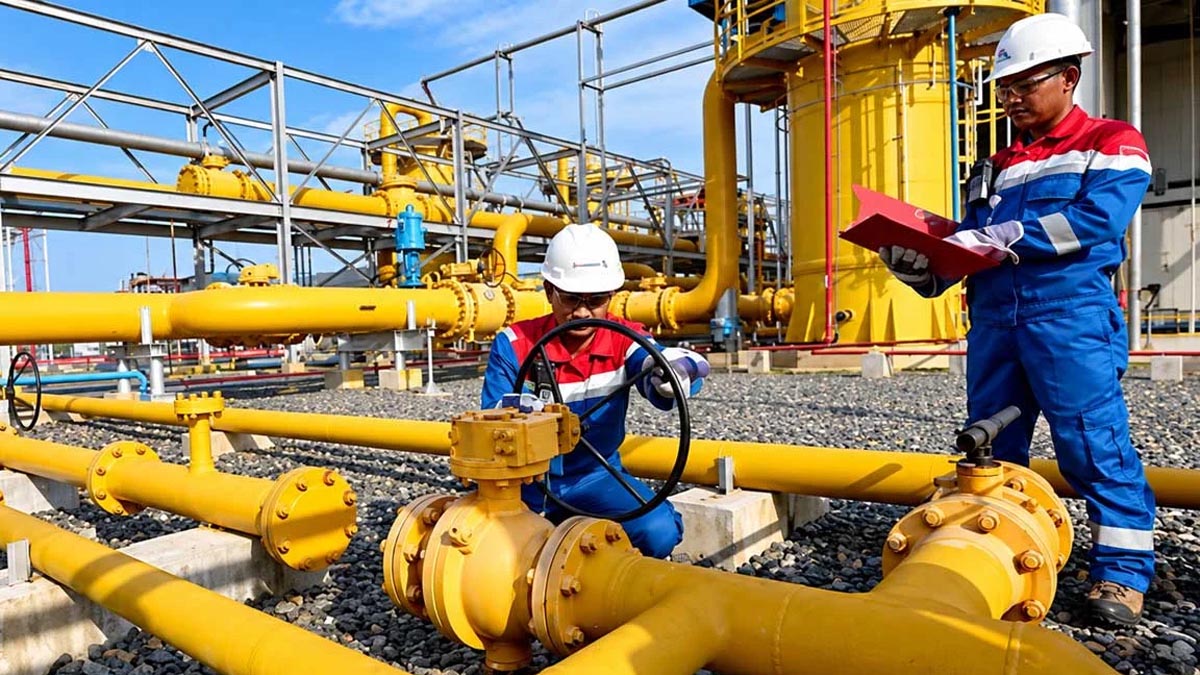
PGN is prepared to support further biomethane development by leveraging its existing infrastructure and commercial capabilities, she said, allowing industrial customers to access a lower-carbon gas option without requiring major changes to existing gas distribution systems.
A key advantage of biomethane is its compatibility with conventional natural gas infrastructure. This allows industrial users to potentially switch to biomethane without making significant modifications to facilities that already use piped gas.
Also Read: Riau FFB Price for Independent Smallholders Set at IDR 3,733.74/kg for 9-Year-Old Palms, Oct. 7–13
Turning POME into Low-Carbon Energy
The project also highlights a growing opportunity for the palm oil industry to convert waste streams into commercially valuable energy.
The primary feedstock is Palm Oil Mill Effluent (POME), a liquid waste generated during the processing of fresh fruit bunches at palm oil mills. Through anaerobic digestion and gas upgrading, methane contained in the waste stream can be captured and converted into biomethane rather than being released into the atmosphere.
Also Read: GAPKI IPOC 2026 to Shape Indonesia’s Palm Oil Strategy Amid Global Trade and Geopolitical Risks
According to Antara, as reported by PalmOilMagazine on Wednesday (Oct. 7, 2026), the approach could help reduce greenhouse gas emissions while supporting Indonesia’s Nationally Determined Contribution (NDC) targets and its longer-term goal of achieving net-zero emissions by 2060.
For the palm oil industry, converting POME into biomethane could broaden the scope of downstream value creation. Rather than treating POME solely as a waste-management issue, mills can potentially transform it into a source of renewable gas with commercial value.
Biomethane can also complement natural gas, which remains important to industrial users as companies accelerate decarbonization efforts while maintaining reliable energy supplies.
Also Read: Pertamina Pursues Dual-Growth Strategy, Keeps Oil and Gas as Energy Foundation
Fajriyah said biomethane could play a strategic role in strengthening energy security while reducing industrial emissions. Once production begins, industrial users such as TMMIN are expected to gain access to lower-carbon energy that could help them respond to growing demand for greener supply chains.
PGN expects the collaboration model to be replicated in other palm oil-producing regions, potentially expanding the use of palm oil waste as a renewable energy resource across Indonesia. (P2)