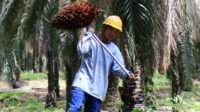


PALMOILMAGAZINE, JAKARTA, INDONESIA — Retaining qualified plantation assistants is becoming an increasingly important human resource management priority for Indonesia’s oil palm industry, with competency development and employee engagement identified as key drivers of workforce stability and long-term plantation productivity.
Employee retention is an integral part of corporate strategy, helping companies maintain a skilled workforce whose members remain productive and contribute to business performance over the long term. In the agribusiness sector, Human Resources Development (HRD) management plays an important role in developing strategies to retain employees and strengthen organizational performance.
However, plantation companies face growing challenges in retaining oil palm plantation assistants, who are responsible for daily operational management, production targets, and field workforce supervision. High employee turnover in these positions is generally driven by demanding workloads, remote working locations, and the need to combine technical expertise with managerial capabilities.
Also Read: B50 and Indonesia’s Palm Oil Trilemma: Balancing Food, Energy, and Exports
These challenges are examined in a study titled Strengthening Oil Palm Plantation Assistant Retention Through Competency Development and Employee Engagement, conducted by a research team from Universitas Pamulang (UNPAM) in collaboration with Worker Initiatives for Sustainable Palm Oil (WISPO).
The findings are expected to provide recommendations for government institutions and businesses across the palm oil industry.
Speaking at a research-focused Focus Group Discussion (FGD) in Jakarta on November 20, research team leader Dr. Veritia outlined several key messages from the study. She emphasized that retaining plantation assistants should be treated as part of a broader human resource development and corporate governance agenda, rather than relying primarily on salary increases.
Also Read: KPBN Inacom CPO Price Falls to IDR 14,008/kg on Friday (Nov. 20), Dumai Records Highest Bid
“Employee retention should be addressed through human resource development and governance. Competency development represents the strongest starting point for improving retention,” Veritia said.
She added that retention practices, performance indicators, and support mechanisms for smaller companies should first be tested through pilot implementation, followed by before-and-after evaluations. The results could then serve as a basis for developing standardized retention practices.
The research, supported by funding from the Plantation Fund Management Agency or Badan Pengelola Dana Perkebunan (BPDP), is also intended to provide policy input to several relevant government ministries, including the Ministry of Manpower and the Ministry of Agriculture.
For industry organizations and business associations, including the Indonesian Palm Oil Association (GAPKI) and the Indonesian Employers Association (APINDO), the findings could provide practical guidance for strengthening HRD management and developing more effective workforce retention strategies.
By placing competency development and employee engagement at the center of retention policies, the study highlights the importance of building a more capable, committed, and sustainable workforce for Indonesia’s oil palm plantation sector. (P1)