PALMOILMAGAZINE, JAKARTA – The Indonesian Palm Oil Association (GAPKI) has underscored the need for research that addresses the real challenges facing the palm oil industry rather than focusing solely on academic publications.
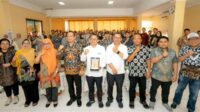
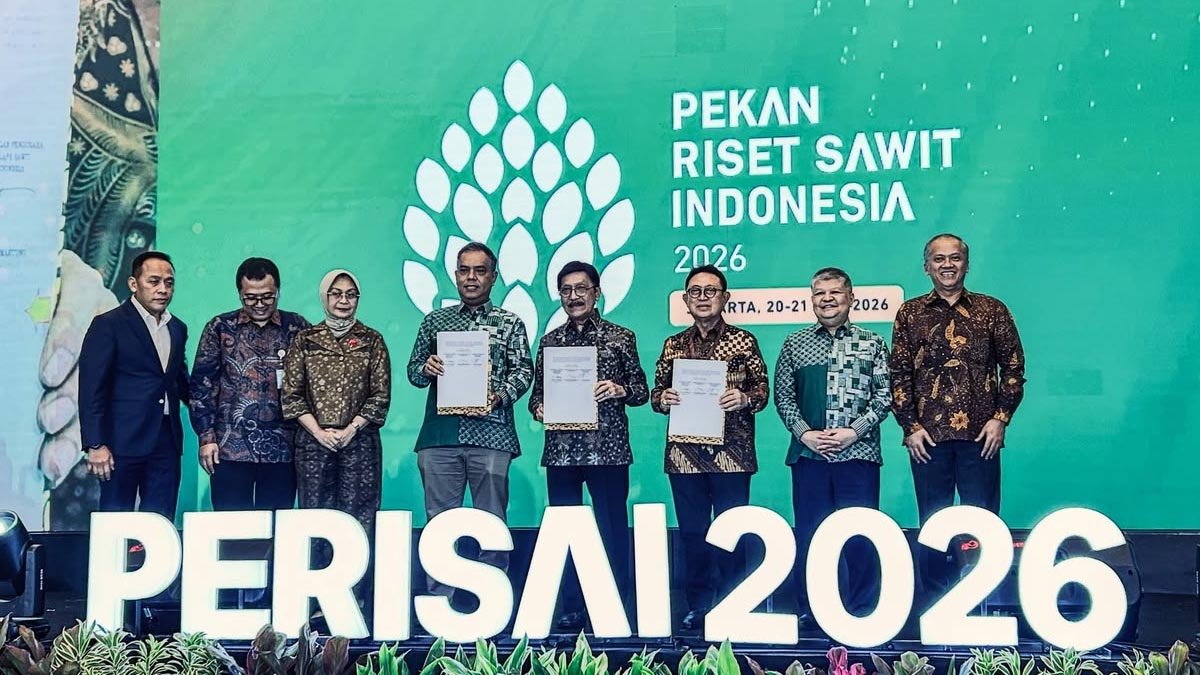
The commitment was reaffirmed through the signing of a Joint Commitment between the Directorate General of Plantations of the Ministry of Agriculture, the Plantation Fund Management Agency (BPDP), and GAPKI to support the Plantation Human Resources Development Program through the Palm Oil Scholarship initiative.
The agreement represents a strategic effort to strengthen collaboration among the government, universities, and industry players to develop a highly skilled palm oil workforce while encouraging research capable of delivering practical solutions to the sector’s most pressing challenges.
Also Read: BPDP Puts Research at the Heart of Indonesia’s Sustainable Palm Oil Future
Under the partnership, the three institutions will collaborate on scholarship promotion, public outreach, candidate recruitment, and strengthening the connection between higher education and industry needs.
GAPKI Chairman Eddy Martono stressed that research in the palm oil sector must generate innovations that can drive the long-term competitiveness and sustainability of the industry.
“The palm oil industry needs research that provides practical solutions to the challenges it faces,” Eddy said during the event.
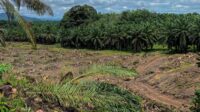
One of the industry’s most urgent concerns, he noted, is the spread of Ganoderma, a destructive fungal disease that kills oil palm trees and has increasingly been found even in replanted first-generation plantations.
“Ganoderma illustrates why applied research is so important. We need technologies that can detect the disease earlier and, more importantly, develop effective control methods. This is a major issue for both plantation companies and independent smallholders,” he explained.
Eddy also encouraged universities to align research priorities more closely with industry requirements. Research conducted by students and academics, he said, should move beyond scientific publications and contribute directly to solving real-world problems in Indonesia’s palm oil sector.
Also Read: GAPKI: Existing Export Controls Are Sufficient, Focus Should Be on Enforcement
“Students and researchers should first understand the industry’s needs. When they recognize the challenges faced in the field, their research will be more relevant and generate tangible benefits,” he added.
According to BPDP, since launching its Palm Oil Research Grant Program in 2015, the agency has funded 466 research contracts involving 109 research institutions, 1,873 researchers, and 383 students. The program has produced 395 scientific publications and 84 patents.
In 2026, BPDP signed 56 new research contracts, including studies on the development of Indonesia’s coconut industry and the country’s readiness to implement the B50 biodiesel mandate. Research areas cover oil palm cultivation, bioenergy, oleochemicals, biomaterials, environmental sustainability, socio-economic studies, and information technology.
Also Read: GAPKI: Indonesia’s Palm Oil Output Slips in May 2026, but CPO Stocks Rise to 3.04 Million Tons
BPDP has also expanded its human resource development initiatives by partnering with 44 universities, awarding scholarships to 13,265 students, and providing training to more than 30,000 farmers and plantation workers to accelerate the adoption of new technologies.
To date, more than 100 BPDP-funded research projects have advanced toward commercialization, ranging from Letters of Intent (LoIs) signed with industry partners to the establishment of research-based startups.
Eddy emphasized that strong collaboration among government agencies, universities, research institutions, and the private sector is essential to building a sustainable palm oil research ecosystem.
Also Read: GAPKI Strengthens Indonesia–Russia Vegetable Oil Cooperation Through Strategic Agreement
As part of the Memorandum of Understanding, GAPKI will facilitate internship placements, practical field training, curriculum development, and industry exposure for students through its member companies.
The scholarship program is expected to produce a new generation of researchers who are not only academically accomplished but also capable of delivering innovations that meet the evolving needs of the palm oil industry.
The Joint Commitment was signed during Indonesian Palm Oil Research Week (PERISAI) 2026, organized by BPDP in Jakarta on July 20–21, 2026.
Also Read: BPDP and Partners Train 155 North Morowali Palm Farmers to Improve GAP Practices
Held under the theme “Shaping the Palm Oil Industry Ecosystems for a Sustainable Future,” PERISAI serves as a platform for disseminating research findings, exchanging knowledge, and strengthening collaboration among government agencies, academics, researchers, and industry stakeholders to accelerate the commercialization of research and enhance the competitiveness and sustainability of Indonesia’s palm oil industry. (P3)