PALMOILMAGAZINE, JAKARTA – Research in Indonesia’s palm oil sector must produce practical innovations that can be adopted by farmers and industry, rather than ending with academic publications, according to Eddy Abdurrachman, President Director of the Plantation Fund Management Agency (BPDP).
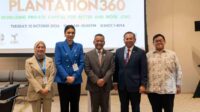
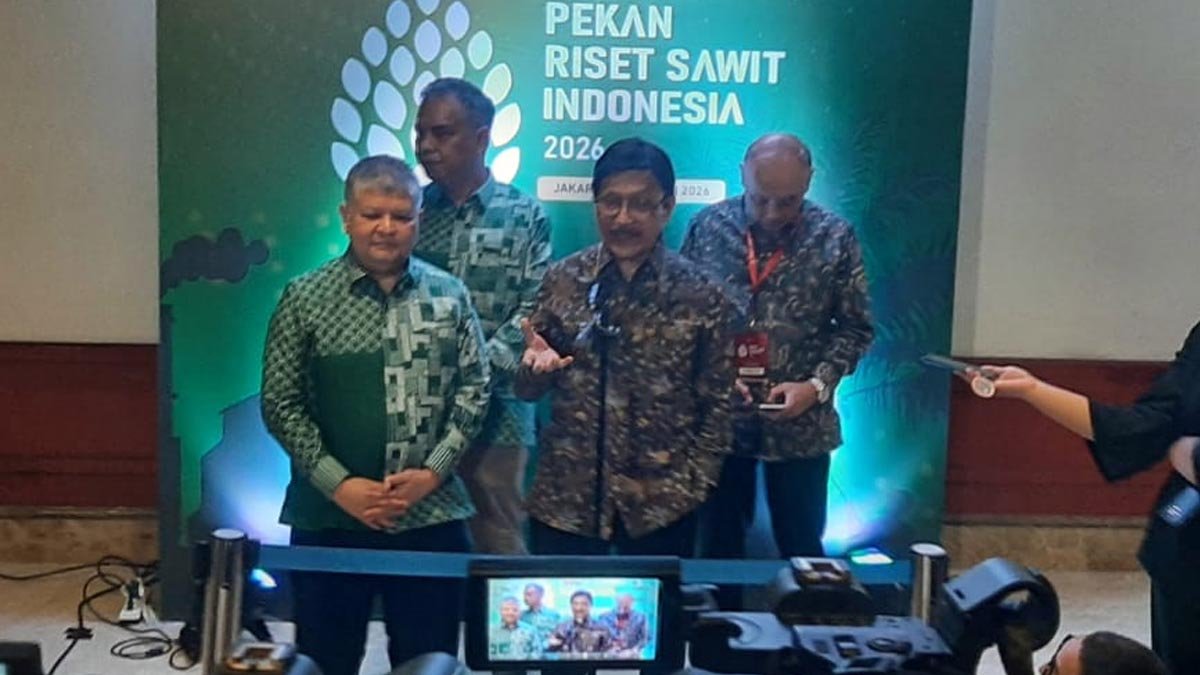
Speaking at the opening of Indonesian Palm Oil Research Week (PERISAI) 2026, Eddy said the annual event serves as a platform to connect researchers, academics, government agencies, industry players, students, and other stakeholders to showcase research outcomes and accelerate the commercialization of palm oil innovations.
Held under the theme of transforming plantation systems through innovation and technology for a sustainable palm oil industry, PERISAI 2026 comes as the Indonesian government under President Prabowo Subianto prioritizes energy security, food security, industrial development, and human capital as key national development goals.
Also Read: GAPKI Urges Industry-Driven Research to Strengthen Sustainable Palm Oil Innovation
Eddy highlighted the strategic importance of the palm oil industry in supporting those priorities. Beyond being one of Indonesia’s largest foreign exchange earners, the sector provides livelihoods for more than 16 million people across the supply chain. Approximately 41% of the country’s oil palm plantations are managed by smallholders, making farmer welfare a critical factor in the industry’s long-term sustainability.
“Indonesia is fortunate to be the world’s largest palm oil producer. But leadership in production must also be matched by leadership in innovation, technology, and human capital so we can respond to climate change, sustainability demands, and advances in artificial intelligence,” he said.
He noted that smallholder productivity can still be significantly improved through the use of certified high-yield planting materials, mechanization, digital farming technologies, efficient fertilization, environmentally friendly pest management, and climate adaptation practices. These measures, he said, would enable higher production without expanding plantation areas, supporting both environmental sustainability and farmer incomes.
Also Read: GAPKI Urges Industry-Driven Research to Strengthen Sustainable Palm Oil Innovation
Eddy also stressed that downstream development should extend far beyond biodiesel. Indonesia, he said, has enormous opportunities to expand the production of higher-value palm oil derivatives, including oleochemicals, food ingredients, bioplastics, surfactants, environmentally friendly lubricants, cosmetics, pharmaceuticals, sustainable aviation fuel (SAF), and biotechnology products.
“Every innovation creates new products, new industries, new jobs, and stronger economic growth. That is why research and downstream industrialization must go hand in hand,” he said.
According to Eddy, the success of research should not be measured by the number of scientific papers published, but by how effectively innovations are adopted by farmers, utilized by industry, developed into commercial technologies, and ultimately generate economic and social value.
To achieve that objective, BPDP will continue financing applied research that addresses industry needs while strengthening the global competitiveness of Indonesia’s palm oil sector. Beyond providing funding, the agency also aims to serve as a catalyst for collaboration by bringing together government institutions, universities, research organizations, businesses, farmers, investors, and international partners within a single innovation ecosystem.
“We hope PERISAI will become a hub for collaboration, technology incubation, and the commercialization of Indonesian palm oil innovations. Indonesia should not only remain the world’s largest palm oil producer but also become the global center of palm oil innovation and technology,” Eddy concluded. (P2)