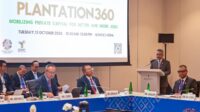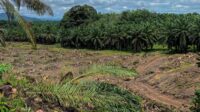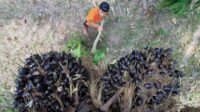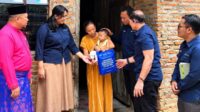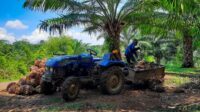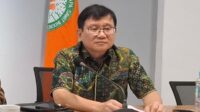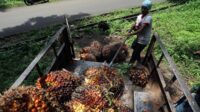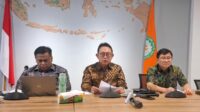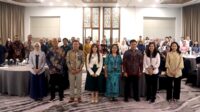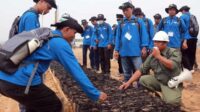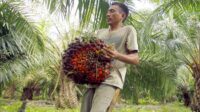


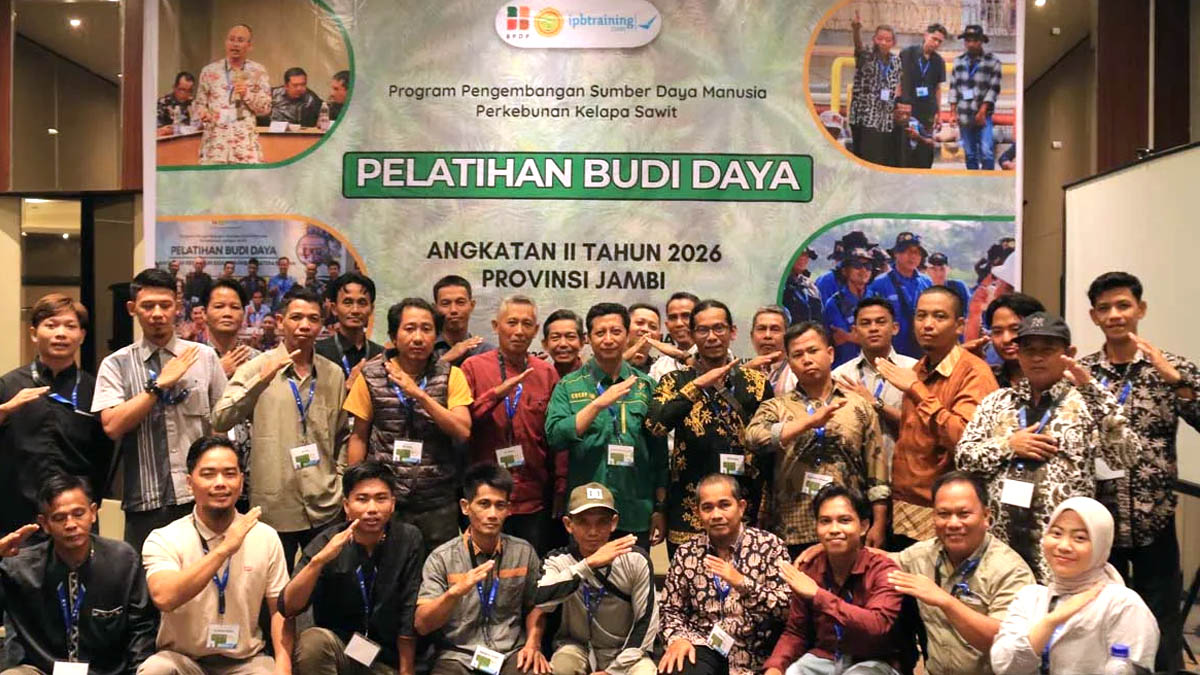
The six-day training in Tanjung Jabung Barat covered oil palm cultivation from planting material and nursery management to field maintenance, fertilization, and integrated pest management.
PALMOILMAGAZINE, JAMBI, INDONESIA — Improving oil palm productivity requires more than planting high-quality seeds. Proper nursery management, field maintenance, fertilization, and pest and disease control are equally important to ensure healthy crop growth and sustainable yields.
Against that backdrop, 86 smallholders from Tanjung Jabung Barat, Jambi Province, took part in an oil palm cultivation training program held from Oct. 7–12, 2026.
The program was organized through a collaboration between the Plantation Fund Management Agency or Badan Pengelola Dana Perkebunan (BPDP), the Directorate General of Plantations, and IPB Training. It was designed to strengthen smallholders’ technical skills and improve their ability to manage plantations in a more systematic and sustainable manner.
The training covered the full cultivation cycle, from the selection and preparation of planting materials to crop maintenance during the mature, or producing, stage. The comprehensive approach reflects the close relationship between cultivation decisions and crop growth, plantation health, and productivity.
According to an official statement received by PalmOilMagazine on Tuesday (Oct. 13), participants initially learned how to identify superior planting materials, distinguish legal from illegal seeds, procure planting materials, and manage both pre-nursery and main-nursery operations.
Also Read: 91 OKU Smallholders Join BPDP-IPB Training to Strengthen Sustainable Palm Oil Productivity
The training also addressed the identification of normal and abnormal seedlings before they are planted in the field, helping smallholders reduce the risk of poor plant establishment from the outset.
The curriculum then moved to land preparation, including land and climate suitability, planting density, planting-hole preparation, and soil and water conservation. Understanding these factors is essential for creating favorable growing conditions and supporting long-term plantation performance.
Maintenance and Fertilization Take Center Stage
Crop maintenance was another major component of the training, with practices tailored to different stages of oil palm development.
For immature oil palm, or tanaman belum menghasilkan (TBM), participants studied crop censuses, replanting of missing plants, circle maintenance, weed control, and plantation infrastructure management.
Also Read: ISPO Training Prepares 87 Aceh Singkil Oil Palm Smallholders for Certification
For mature oil palm, or tanaman menghasilkan (TM), the training covered frond management and other maintenance practices aimed at maintaining crop health and field conditions.
Fertilization was also given significant attention. Smallholders learned about balanced fertilizer application, recognizing nutrient deficiencies, and planning fertilizer requirements for both TBM and TM plantations.
Training on soil health and the use of organic materials was also included, broadening participants’ understanding of how soil quality can be maintained as part of long-term plantation management.
Also Read: 174 OKU Oil Palm Smallholders Train in Cultivation, Pest Control and Replanting
In pest and disease management, participants were trained to identify crop disturbances, conduct early detection, carry out pest and disease censuses, and apply integrated pest management principles.
The sessions also introduced the use of biological control agents and beneficial plants, alongside the proper and safe use of pesticides.
Strengthening Smallholder Technical Capacity
The training combined classroom presentations with discussions, practical exercises, and simulations for selected topics. The approach was intended to help participants translate technical knowledge into practical field management based on crop conditions and plantation needs.
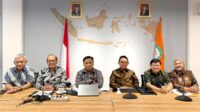
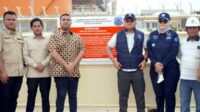
The opening session was attended by Jambi Provincial Plantation Agency Head Henrizal, S.Pt., M.M., along with officials and representatives from agencies involved in the plantation sector.
The program is expected to encourage smallholders to reassess plantation management practices that have traditionally been based on routine or experience alone. Technical decisions, participants were encouraged to understand, should also take into account crop conditions, maintenance requirements, and management efficiency.
Strengthening technical skills across the cultivation cycle—from nursery management and land preparation to fertilization and pest and disease control—could help smallholders develop more systematic plantation management practices.
Consistent implementation in the field will ultimately determine whether the knowledge gained through the training translates into healthier oil palm crops and higher productivity among smallholder plantations. (T2)