

The Agriculture Ministry is using the EU deforestation rules to accelerate farm data, geolocation, land legality, traceability and grading across Indonesia’s palm oil, cocoa and coffee sectors.
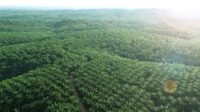
PALMOILMAGAZINE, BOGOR — Indonesia’s Agriculture Ministry is stepping up efforts to strengthen plantation governance and supply-chain traceability as producers prepare to meet requirements under the European Union Deforestation Regulation (EUDR), with palm oil, cocoa and coffee among the commodities in focus.
The ministry is positioning EUDR not only as a market-access requirement but also as an opportunity to improve plantation data, geolocation, land legality, farmer institutions, productivity and commodity quality.
Also Read: European Parliament Simplifies EUDR, Palm Oil Compliance Deadline Extended to 2027
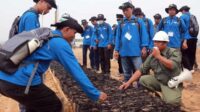
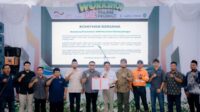
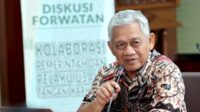
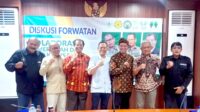
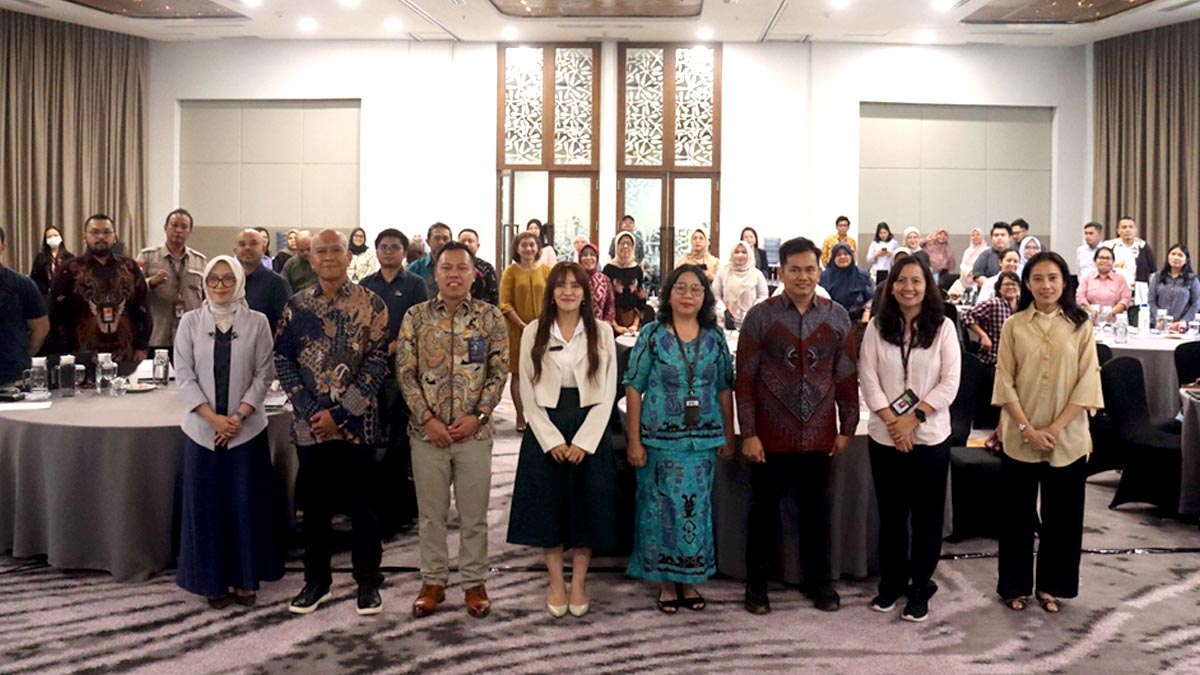
The issue was discussed during a Focus Group Discussion (FGD) on follow-up actions under the Food Systems, Land Use and Restoration (FOLUR) program, held in Bogor, West Java, on Sept. 29–30, 2026.
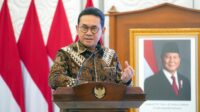
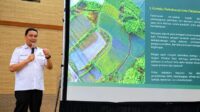
Mutiara Sari, director of downstream plantation products at the Agriculture Ministry, said EUDR should be used to accelerate improvements across Indonesia’s plantation system rather than being treated solely as a compliance obligation.
“EUDR should not be viewed merely as a compliance issue. We need to use it as an opportunity to improve our own systems,” Mutiara said, according to a statement from the Directorate General of Plantations.
Also Read: KPBN Inacom CPO Price Falls to IDR 14,625/kg on Wednesday (Oct. 7), Malaysia CPO Futures Weaken
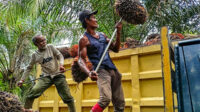
She said palm oil, cocoa and coffee are strategic commodities that support the livelihoods of millions of smallholders and rural communities. However, their development continues to face challenges involving land legality, productivity and quality, land-use governance and supply-chain traceability.
Traceability Must Benefit Smallholders
Mutiara stressed that efforts to strengthen sustainability should also generate tangible benefits for smallholders. Traceability and other compliance systems, she said, should not simply add administrative burdens but should help farmers improve product quality, gain market access and capture greater value from agricultural supply chains.
Agriculture Minister Andi Amran Sulaiman has separately emphasized the need to improve national plantation productivity and competitiveness through stronger governance.
Also Read: Indonesia Biodiesel Consumption Jumps 13.59%, Driving July Palm Oil Demand
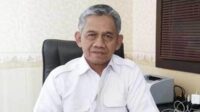
Acting Director General of Plantations Heru Tri Widarto said meeting increasingly stringent global market requirements would require accurate data, digitalization, traceability systems and stronger smallholder capacity.
The ministry is also promoting landscape-based commodity grading and traceability. A stronger grading system is expected to improve transparency over product quality and establish more objective relationships among smallholders, collectors, processors and buyers.
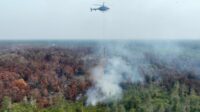
Traceability, meanwhile, is intended to establish the origin of commodities from the farm level through subsequent stages of the supply chain. Such systems are becoming increasingly important as global markets demand commodities that are legally produced, traceable and not associated with deforestation.
Also Read: Palm Biomass’s Big Promise Faces Its Real Test on the Ground
FOLUR Targets Five Indonesian Districts
The FOLUR program is being used to support a broader transformation of commodity production through a landscape-based approach integrating biodiversity conservation, ecosystem restoration, sustainable production and value-chain development.
The program is currently being implemented in five Indonesian districts: Aceh Tengah, Mandailing Natal, Sanggau, Luwu and Sorong.
Also Read: Indonesia’s Palm Oil Industry Drives Sustainable Economic Transformation
Through the third quarter of 2026, activities have included strengthening independent smallholders in Aceh Tengah and Sanggau, improving extension services in Luwu and Mandailing Natal, and strengthening farmer institutions and commodity development in targeted areas.
Work on traceability and commodity grading is also continuing to improve transparency and create greater value for agricultural commodities.
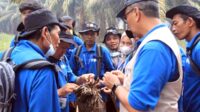
The Bogor FGD brought together the Agriculture Ministry, local governments, the Food and Agriculture Organization (FAO), the United Nations Development Programme (UNDP), the FOLUR Project Management Unit, businesses, farmer organizations, academics and development partners.
Also Read: Indonesia’s GAPPKES MIKEMINO Urges Greater Smallholder Role in National Biodiesel Supply Chain
The participants identified gaps and support requirements in each target region, with the discussions expected to be translated into concrete action plans aligned with regional development programs and the FOLUR agenda.
Mutiara said the success of FOLUR should not be measured simply by whether activities are completed, but by whether the program strengthens landscape governance, improves the sustainability of value chains, strengthens smallholders’ market position and expands access to better markets. (P3)