GAPKI says Indonesia could face a palm oil supply deficit of up to 27 million MT if production fails to grow significantly, making productivity, sustainability, technology and upstream-to-downstream policy integration critical to the industry’s future.
PALMOILMAGAZINE, JAKARTA, INDONESIA — Indonesia’s palm oil industry is being called upon to play a greater role in driving sustainable economic transformation, as rising domestic and global demand puts increasing pressure on the country’s future palm oil supply.
The industry supplies raw materials to a broad range of sectors, including food and energy, while Indonesia remains a major contributor to global vegetable oil and energy supplies.
Also Read: GAPKI Warns Unregulated Palm Oil Mills Threaten Indonesia’s Supply Chain
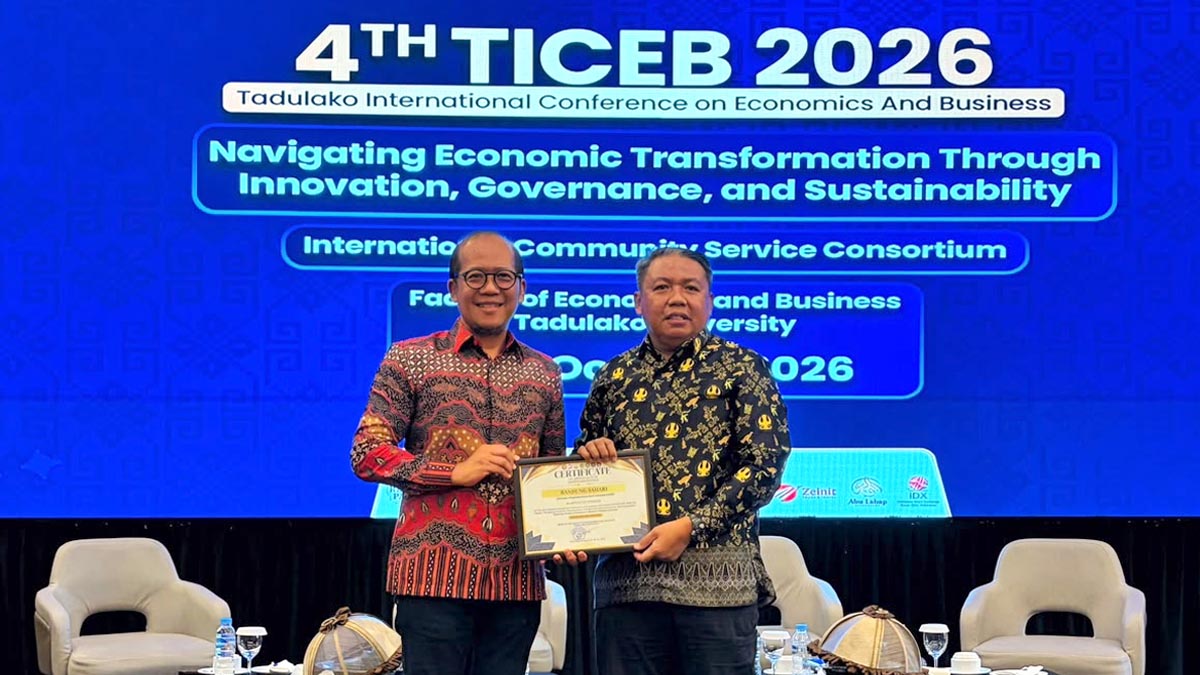
Bandung Sahari, Head of Communications at the Indonesian Palm Oil Association (GAPKI), said Indonesia produces about 49 million metric tonnes (MT) of palm oil out of approximately 85 million MT of global supply.
“This places Indonesia in a significant position in the global balance of energy supply and demand, considering that 22% of the world’s vegetable oil supply comes from Indonesia,” Bandung said in a statement received by PalmOilMagazine on Wednesday (Oct. 7, 2026).
He said Indonesia’s strategic position makes productivity and sustainability increasingly important as palm oil demand continues to grow alongside population growth and rising food and energy needs.
Also Read: 9th Borneo Forum 2026: GAPKI Highlights Innovation and Productivity as Keys to Future Growth
“To meet future demand, we need to focus on both sustainability and productivity. Given Indonesia’s important role, sustainability in land use and expansion, as well as productivity, must be key priorities,” he said.
Supply Gap Could Widen
Bandung projected that Indonesia could face a palm oil supply deficit of around 27 million MT if domestic demand and population continue to grow while palm oil production remains largely stagnant. The shortfall would affect both domestic consumption and export requirements.
He noted that land expansion has slowed following the government’s moratorium on new palm oil plantation expansion by the private sector. If planted acreage does not increase significantly, domestic crude palm oil (CPO) production would need to achieve yields of around 5 MT per hectare annually to meet future demand.
Also Read: GAPKI Accelerates ISPO Certification in West Kalimantan, Targets 100% Certified Members
Against this backdrop, Bandung stressed that sustainable economic transformation must become an integral part of the industry’s development strategy.
Indonesia has emerged as one of the world’s largest developing economies and must maintain a strong environmental commitment to ensure that economic growth remains sustainable, he said. Such an approach is also consistent with the government’s broader Indonesia Emas 2045 agenda.
Reducing emissions will inevitably require the adoption of more sustainable production practices, Bandung said, but those measures can also raise operating costs and potentially weaken competitiveness.
Also Read: 176 OKU Smallholders Receive Palm Oil Cultivation Training to Boost Productivity
“For companies, this is a challenge in itself. For smallholders, additional costs can become an even heavier burden. At the same time, global demands for sustainability continue to rise and ultimately must be met,” he said.
Productivity Becomes Critical
With land expansion increasingly constrained, Bandung said Indonesia needs to prioritize productivity improvements, controlled land conversion and the development of agricultural and maritime sectors to strengthen food security and farmer welfare.
Strict controls on land-use conversion are needed to prevent productive agricultural areas from being lost to non-agricultural activities, he said.
Also Read: Palm Oil Productivity: Effective Harvesting Strategy Key to Higher Sustainable Yields
Education centers and agricultural technology innovation should also become strategic foundations for achieving Indonesia’s 2045 development goals. Wider adoption of appropriate technologies could significantly improve operational efficiency across the agricultural sector.
“Integrated policies from upstream to downstream, together with stronger connectivity between agriculture, industry and services, are also needed to maximize value creation for the national economy,” Bandung said.
Improving the quality of farmers and agricultural human resources will likewise be essential. Bandung called for greater institutional capacity, stronger farmer entrepreneurship and improved skills as part of the transition toward a more sustainable agricultural economy.
Also Read: KPBN Inacom CPO Price Rises to IDR 14,666/kg on Tuesday (Oct. 6) as Malaysia CPO Futures Fall
He also highlighted the need for greater investment and supporting infrastructure to unlock the sector’s full economic potential.
Securing Future Palm Oil Supply
Bandung warned that Indonesia’s focus on downstream development must be matched by efforts to secure sufficient raw material supplies.
“In recent years, much of our attention and investment has been directed toward downstream industries. But there is one fundamental issue we cannot overlook: supply,” he said.
Also Read: WWF-Indonesia and CPOPC Strengthen Sustainable Commodity Supply Chains
“However advanced downstream innovation may be, it will lose its meaning if we do not have sufficient raw materials to support that growth. The question is how prepared we are to face a potential palm oil supply deficit in the future.”
According to Bandung, a combination of higher productivity, stronger human resources, technological innovation and integrated policies will be essential to ensuring the long-term resilience of Indonesia’s palm oil industry.
The domestic CPO industry has also adopted sustainability initiatives covering commitments to no deforestation, protection of peatlands from exploitation and respect for human rights. These measures can contribute to stronger business resilience while responding to growing sustainability expectations in global markets.
Also Read: Indonesia Palm Oil and Derivatives Support 6.72% Export Growth in August 2026
The challenge facing Indonesia’s palm oil industry, therefore, is no longer simply to increase productivity. It is to secure adequate supply by raising productivity without compromising sustainability principles.
With limited opportunities for land expansion, Indonesia will need to strengthen yields, improve human capital, accelerate technological innovation and integrate policies across the palm oil value chain.
Such measures will be critical for ensuring that Indonesia’s palm oil industry can continue to meet domestic and global demand while generating greater value for the national economy. (P3)