

Trade Expo Indonesia 2026 connects Indonesian exporters with buyers from 134 countries, while BPDP-backed programs support productivity, downstream processing, biodiesel and value-added palm oil products.
PALMOILMAGAZINE, TANGERANG — Trade Expo Indonesia (TEI) 2026 has provided Indonesian businesses with a platform to expand international market access, including for downstream palm oil products, as the government seeks to strengthen the country’s position in global value chains.
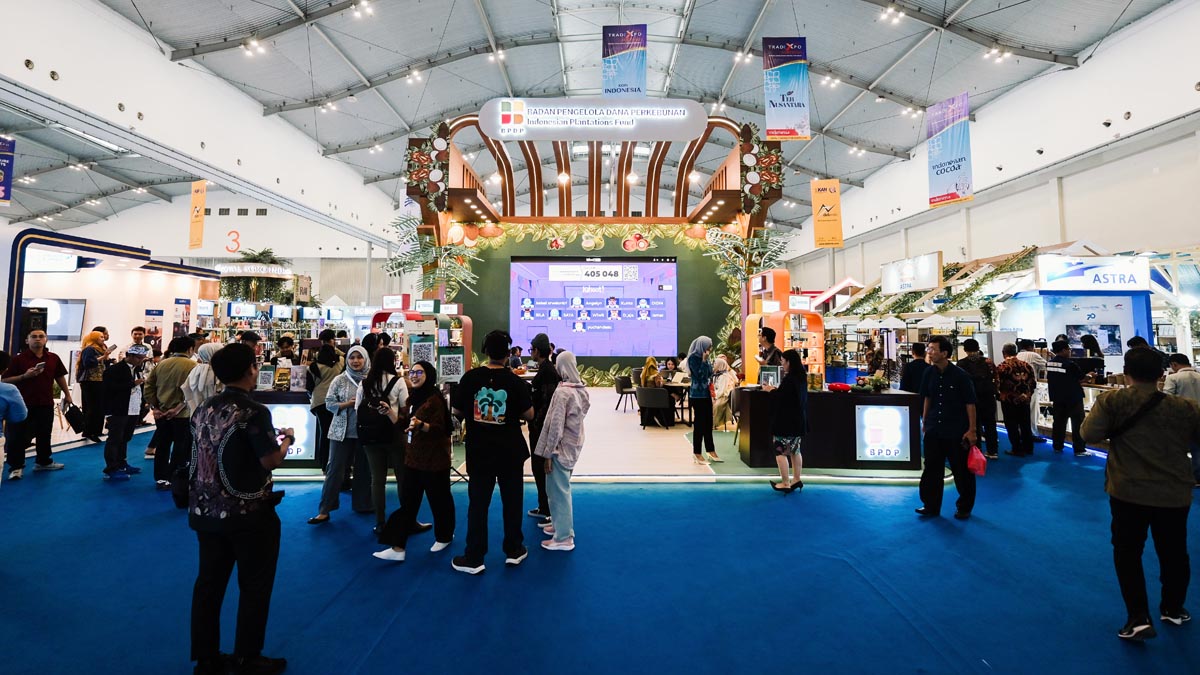
The 41st edition of TEI was held from Oct. 14–18, 2026, at the Indonesia Convention Exhibition (ICE) BSD City in Tangerang, Banten, bringing together 1,873 participating companies and buyers from 134 countries. The event targeted trade transactions of US$17.5 billion.
Also Read: BPDP Boosts Global Market Access for Indonesia’s Palm Oil, Coconut and Cocoa at TEI 2026
The exhibition served as a business-matching and promotional platform connecting Indonesian companies with international buyers across a range of sectors, including processed agricultural commodities and palm oil derivatives.
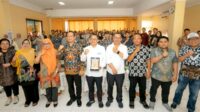
The Plantation Fund Management Agency, or Badan Pengelola Dana Perkebunan (BPDP), participated as an event partner, working with industry associations including the Indonesian Palm Oil Association (GAPKI), the Indonesian Biofuel Producers Association (Aprobi), the Indonesian Oleochemical Producers Association (APOLIN), the Indonesian Coconut Processing Industry Association (HIPKI) and the Indonesian Cocoa Industry Association (Askindo).
BPDP’s promotional booth was also recognized as the third-best booth at the exhibition.
Also Read: BPDP Backs Value-Added Palm Oil, Cocoa, and Coconut SMEs to Boost Global Competitiveness
BPDP Supports Palm Oil Value-Chain Development
The connection between TEI and BPDP lies in a broader effort to strengthen the competitiveness and value addition of Indonesia’s plantation commodities, particularly palm oil.
While trade exhibitions such as TEI provide Indonesian companies with access to potential international buyers, BPDP’s programs are aimed at strengthening the production, innovation and downstream-processing capacity needed to compete in global markets.
Also Read: Is Palm Industry The Real Culprit Behind Forest and Land Fires?
Through funds sourced from export levies in accordance with applicable regulations, BPDP supports a range of strategic plantation programs, including the Smallholder Palm Oil Replanting Program, or Peremajaan Sawit Rakyat (PSR), biodiesel development, research and development, human-resource education and training, and empowerment of smallholders and related businesses.
These programs are relevant to Indonesia’s broader strategy of increasing the domestic value of plantation commodities before they enter international markets.
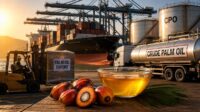
Indonesia’s palm oil industry produces not only crude palm oil (CPO), but also a broad range of downstream products used in food, oleochemicals and energy.
Expanding downstream processing could allow Indonesia to increase exports of higher-value products, retain more economic value domestically and strengthen its position in global palm oil supply chains.
Biodiesel Adds an Energy Dimension
The palm oil industry’s role in Indonesia’s energy strategy also links downstream development with the objectives promoted at TEI.
Palm-based biodiesel forms part of Indonesia’s efforts to diversify its domestic energy mix and reduce reliance on imported diesel. At the same time, investment in downstream technology could expand opportunities to convert plantation by-products into renewable energy and other value-added products.
Also Read: Rising Biodiesel Demand Could Push CPO Prices Higher in 2027, GAPKI Says
TEI provides a platform for Indonesian companies to showcase products, technologies and business opportunities to international markets, while BPDP programs support the development of the plantation-sector ecosystem within its mandate.
Together, the two agendas create opportunities to promote higher-value palm oil products and develop new business segments.
Expanding Benefits for Smallholders and SMEs
Greater export opportunities also need to translate into wider economic benefits for smallholders and small and medium-sized enterprises (SMEs).
The development of downstream products, business diversification, skills development and wider market access could help strengthen the plantation value chain and create additional sources of income beyond the sale of primary commodities.
Also Read: BPDP and Ditjenbun Strengthen Palm Mapping Skills for Independent Smallholders
Through TEI, Indonesian businesses can establish international networks and explore new markets. Meanwhile, BPDP programs can strengthen the capacity of the plantation sector through initiatives aligned with its mandate and applicable funding rules.
The relationship between TEI and BPDP therefore extends beyond participation in a trade exhibition. TEI provides a platform for market promotion and international business matching, while BPDP supports the underlying plantation ecosystem through strategic programs covering productivity, downstream processing, biodiesel, research and human-resource development.
The combination could help Indonesia expand exports of value-added palm oil products, develop palm-based energy and strengthen the competitiveness of its plantation sector.
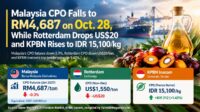
Also Read: Malaysia CPO Falls to RM4,687 on Oct. 28 as Rotterdam Drops US$20, KPBN Rises to IDR 15,100
For BPDP’s involvement in TEI 2026, however, specific details of its role as an event partner and any formal collaboration should be based on confirmed information from the organizers and participating institutions. This distinction is important to ensure that the relationship is reported accurately and does not imply a formal partnership beyond the activities that were officially confirmed. (P3)