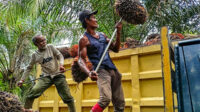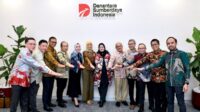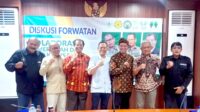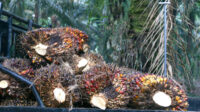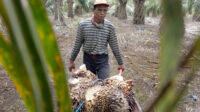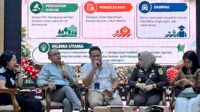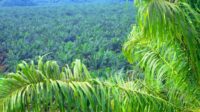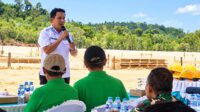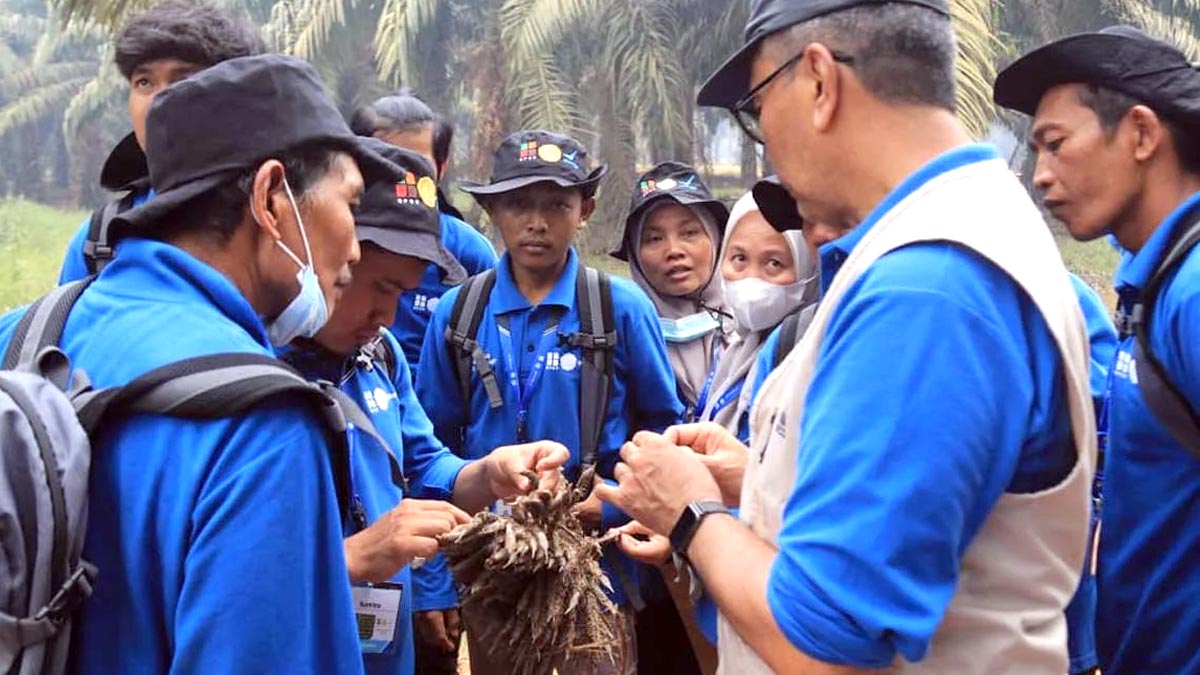
Training organized by BPDP, Directorate General of Plantations and IPB Training focuses on better planting material, crop management, fertilization and harvesting practices.
PALMOILMAGAZINE, PALEMBANG — Improving the productivity of Indonesia’s smallholder oil palm plantations requires more than expanding planted acreage. Better planting material, sound cultivation practices and stronger technical skills are increasingly important to help farmers raise yields while maintaining long-term plantation sustainability.
That was the focus of a palm oil cultivation training program for smallholders from Ogan Komering Ulu (OKU), South Sumatra, held in Palembang from Sept. 29 to Oct. 4, 2026.
Also Read: Indonesian Smallholders Step Up Fire Patrols as Land Fires Spread
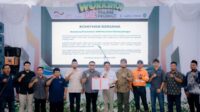
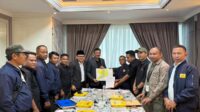
The program brought together 176 smallholders and was organized through a collaboration between the Plantation Fund Management Agency or Badan Pengelola Dana Perkebunan (BPDP), the Directorate General of Plantations, and IPB Training.
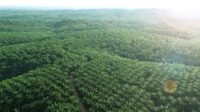
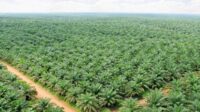
OKU has approximately 72,900 hectares of oil palm plantations, most of which are managed by smallholders. The extensive plantation area represents a significant economic opportunity for the district, but improving output depends increasingly on better plantation management rather than simply expanding cultivated land.
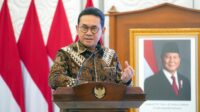
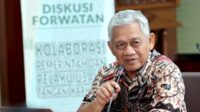
Muhammad Sigit Susanto, Director of IPB Training, said productivity needs to be established from the earliest stages of plantation development and maintained through consistent crop management.
Also Read: Riau Independent Smallholder FFB Prices Fall to IDR 3,866.97/kg for Sept. 30-Oct. 6
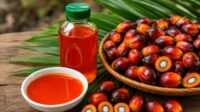
The use of high-quality planting material is a fundamental starting point, he said, but productivity ultimately depends on how effectively farmers implement good agricultural practices in the field.
Training Covers Full Oil Palm Production Cycle
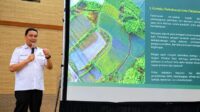
The training covered plantation policies and regulations, selection of superior planting material, nursery management, land preparation, planting, crop maintenance, fertilization, pest and disease management, and harvesting techniques.
Participants also examined practical problems commonly encountered in smallholder plantations, including how to identify abnormal seedlings, assess soil conditions, recognize nutrient deficiencies, control weeds and identify plant pests and diseases.
Also Read: 91 OKU Smallholders Join BPDP-IPB Training to Strengthen Sustainable Palm Oil Productivity
The comprehensive approach reflects the close relationship between each stage of oil palm cultivation. Mistakes made during seedling selection, planting or maintenance can affect plant development and ultimately reduce productivity once the palms reach maturity.
Hendri Eka Putra, Secretary of the OKU Agriculture Office, said the training had been conducted in three batches, with 451 smallholders participating in the program overall.
“The expectation is that with better knowledge, cultivation practices and post-harvest handling will improve, and most importantly, productivity will increase,” Hendri said in an official statement received by PalmOilMagazine on Monday (Oct. 5).
Field Visit Links Training to Plantation Practices
The need to strengthen smallholder capacity has become increasingly relevant as interest in oil palm cultivation grows in OKU. Relatively favorable palm oil prices have also encouraged some rubber farmers to develop or shift part of their operations toward oil palm.
Beyond classroom sessions, participants visited PT Duta Reka Mandiri to observe cultivation practices in the field. The visit provided an opportunity for farmers to connect the technical material covered during the training with actual plantation conditions.
Also Read: Indonesia Palm Oil and Derivatives Support 6.72% Export Growth in August 2026
Strengthening smallholder skills is expected to help farmers make better decisions on plantation management, use agricultural inputs more efficiently, maintain crop health and improve the quality of harvested fruit.
For OKU’s smallholder sector, the combination of quality planting material, improved cultivation practices and stronger farmer capabilities could help unlock the productivity potential of its existing plantation base.
Rather than relying on additional land expansion, improving yields through better farm management offers a more sustainable pathway for strengthening smallholder incomes and the long-term performance of the district’s oil palm industry. (P2)