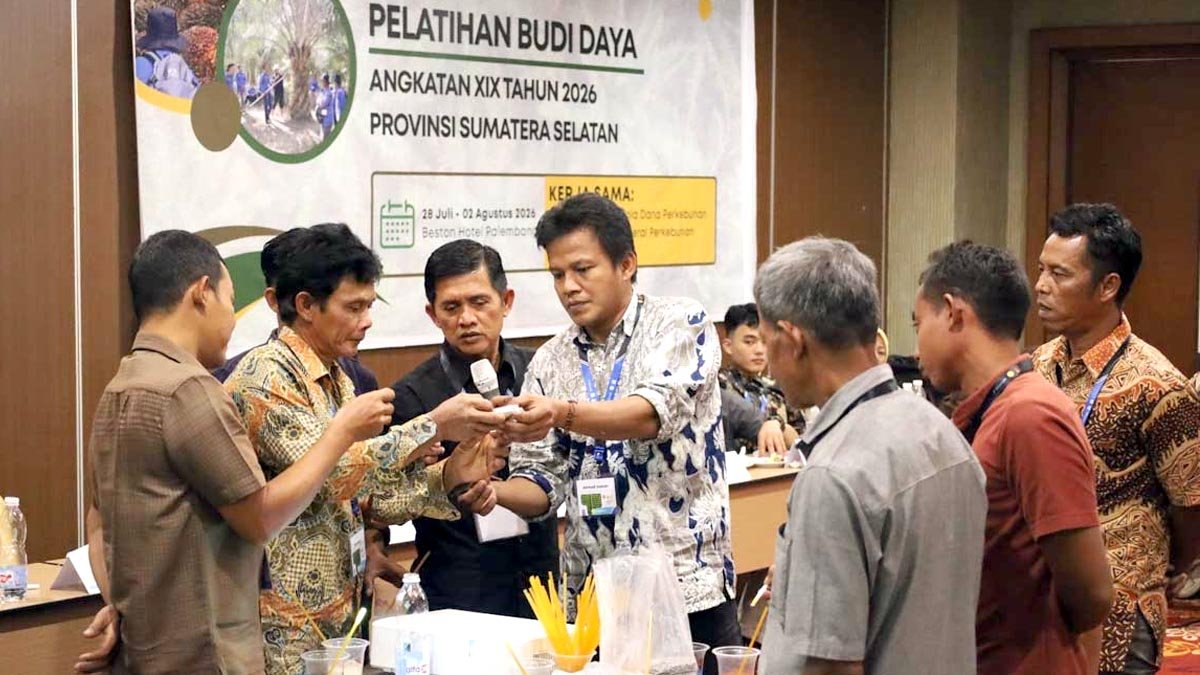
The BPDP, the Directorate General of Plantations, and IPB Training equipped 128 oil palm smallholders from South Sumatra with modern cultivation techniques and Good Agricultural Practices (GAP), aiming to improve yields, strengthen sustainability, and enhance the competitiveness of Indonesia’s smallholder palm oil sector.
PALMOILMAGAZINE, PALEMBANG, INDONESIA — A total of 128 oil palm smallholders from Musi Rawas Regency, South Sumatra, have completed an intensive training program on modern oil palm cultivation aimed at improving farm productivity, sustainability, and the adoption of Good Agricultural Practices (GAP).
The program, held from July 18 to August 2, 2026, was organized under Indonesia’s 2026 Oil Palm Plantation Human Resources Development Program. It was jointly conducted by the Plantation Fund Management Agency (BPDP), the Directorate General of Plantations of the Ministry of Agriculture, and IPB Training at Beston Hotel Palembang.
Also Read: BPDP Backs Value-Added Palm Oil, Cocoa, and Coconut SMEs to Boost Global Competitiveness
The participants were divided into four batches—Batch XVII, XVIII, XIX, and XX—and received comprehensive technical training designed to strengthen their knowledge, practical skills, and field experience in managing oil palm plantations more efficiently and sustainably.
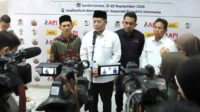
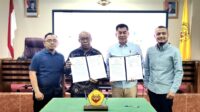
The opening ceremony was attended by Herlan Kagami, Head of Facilities and Infrastructure at the South Sumatra Plantation Office; Kgs. M. Effendi Fery, Head of the Musi Rawas Plantation Office; Dr. M. Apuk Ismane from the Agricultural Human Resources Development and Extension Agency (BPPSDMP); and representatives from the Directorate General of Plantations.
Speakers emphasized that improving the productivity of Indonesia’s smallholder plantations requires more than expanding plantation areas or using certified planting materials. Equipping farmers with modern cultivation techniques and technological knowledge is equally essential to achieving higher yields while ensuring long-term sustainability.
Also Read: SPKS and BPDP Train Aceh Smallholders to Turn Palm Waste into Organic Fertilizer
Throughout the six-day program, participants combined classroom learning with hands-on practical sessions and field visits, allowing them to directly apply the cultivation methods introduced during the training.
The curriculum covered key aspects of oil palm cultivation, including plantation regulations, certified seed selection, nursery management, land preparation, planting techniques, crop maintenance, weed control, fertilization strategies, and integrated pest and disease management.
Participants also took part in practical exercises such as seedling transplantation using specialized equipment, soil pH testing with litmus paper, field staking, sprayer calibration, knapsack sprayer operation, and fertilizer quality identification based on physical characteristics.
Also Read: BPDP Highlights Human Capital Investment and B50 Rollout as Keys to Palm Oil Competitiveness
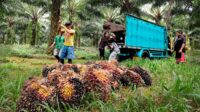
To reinforce field-based learning, the trainees visited PT Dutareka Mandiri, where they observed best management practices across the entire plantation cycle—from nurseries and immature palms (TBM) to mature plantations (TM) and fresh fruit bunch (FFB) grading operations.
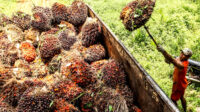
During the visit, participants practiced preparing planting media in polybags, learned pruning and weed management techniques in immature plantations, observed mechanized field operations using tractors, and gained practical experience in harvesting management and FFB quality grading based on ripeness standards.
Interactive discussions throughout the program enabled farmers to address cultivation challenges specific to their plantations and exchange practical solutions with trainers and industry experts.
Through the initiative, BPDP, the Directorate General of Plantations, and IPB Training aim to develop technically competent smallholders who can serve as local champions, transferring knowledge and best practices to fellow farmers. The program is expected to contribute to higher productivity, improved crop quality, and stronger competitiveness for Indonesia’s palm oil industry. (T2)