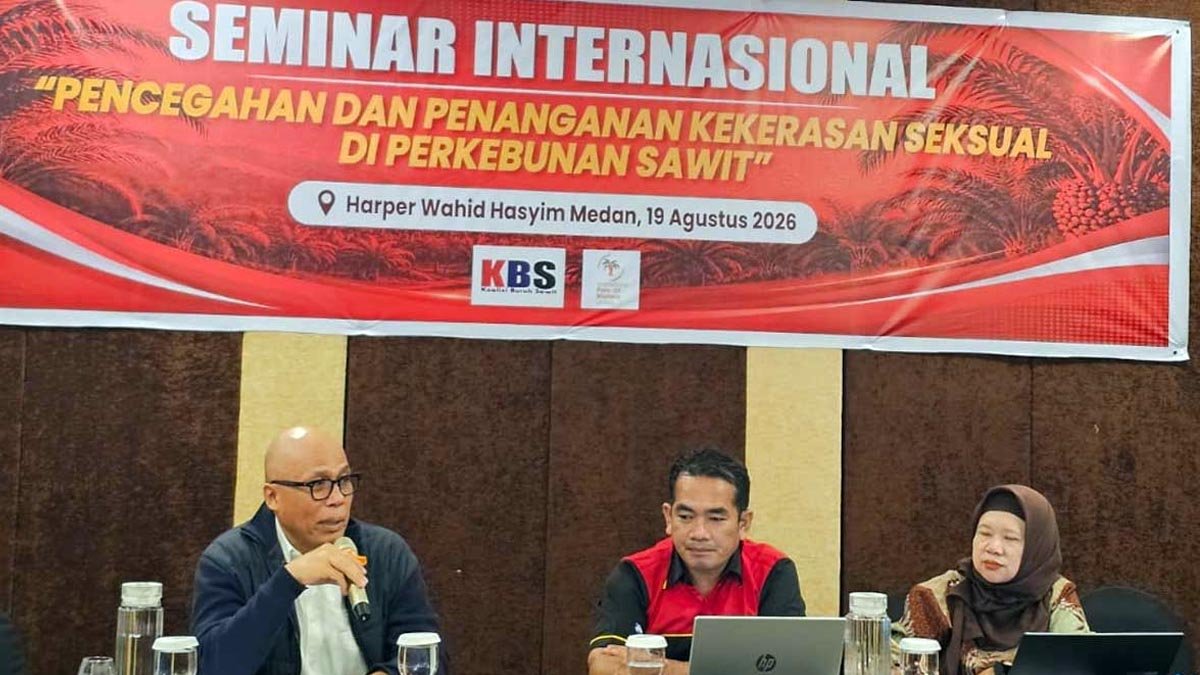
The palm oil industry is being encouraged to strengthen Gender Committees as part of a broader effort to prevent sexual violence, protect women workers and build safer and more dignified workplaces.
PALMOILMAGAZINE, MEDAN — A sexual violence case involving EZ, a member of SERBUNDO and part of the Palm Oil Workers Coalition (KBS), has renewed calls to strengthen protection systems for women workers across Indonesia’s palm oil plantation sector.
One of the measures being promoted is to strengthen and expand the role of Gender Committees within palm oil companies.
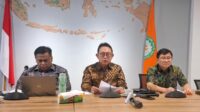
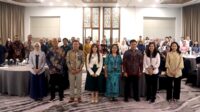
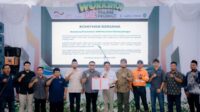
The call emerged during an International Seminar on the Prevention and Handling of Sexual Violence in Palm Oil Plantations held by KBS and its global partner, International Palm Oil Workers (IPOW), in Medan on Wednesday, August 26, 2026. Dutch labor organization FNV also participated online, highlighting international attention to worker protection in the palm oil industry.
Also Read: ISPO Strengthening Labor Protection and Gender Equality in Indonesia’s Palm Oil Sector
GAPKI Calls for Stronger Prevention
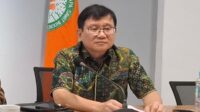
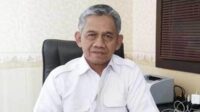
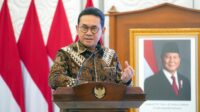
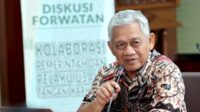
Sumarjono Saragih, Chairman of GAPKI’s Human Resources Development Division, Supervisory Board Member of BPJS Ketenagakerjaan, and Chairman and Founder of Worker Initiatives for Sustainable Palm Oil (WISPO), expressed support for accelerating the resolution of the case, enforcing the law and ensuring justice for victims.
He said addressing the case should not stop at legal proceedings. The incident should also serve as a lesson for strengthening preventive systems so similar cases do not occur again in the workplace.
“GAPKI supports law enforcement and justice for victims. However, we cannot stop at the case itself. It must become a lesson for strengthening prevention so it does not happen again,” Sumarjono said.
He noted that sexual violence can occur across different sectors. However, when such cases occur in the palm oil industry, an individual incident can sometimes develop into a broader stigma against the entire sector.
“We must stand with victims, uphold the law and improve the system. One case should not become a stigma for the entire palm oil industry,” he said.
Also Read: GAPKI and BPJS Employment Join Forces to Expand Protection for Palm Oil Workers
Gender Committees Should Go Beyond Formal Structures
Sumarjono explained that GAPKI issued its Guidelines for the Protection of Women Workers in 2021. The guidelines identify Gender Committees as an important element in creating a safe workplace that respects workers’ rights.
According to Sumarjono, the existence of Gender Committees needs to be continuously promoted and strengthened across palm oil companies.
Also Read: Sanggau Steps Up Palm Oil Worker Protection, Deputy Regent Leads Anti-Trafficking Initiative
The committees, he stressed, should not exist merely as formal organizational structures. Instead, they should become an integral part of workplace prevention, dialogue, education, complaint handling and worker protection mechanisms.
The case in North Sumatra, he added, could serve as an opportunity to expand implementation of the guidelines while strengthening sexual violence prevention efforts at the company level.
Also Read: East Kutai Promotes Gender Equality and Women’s Leadership in Palm Oil Industry
Multi-Stakeholder Coalition Proposed
GAPKI is also opening opportunities to establish a multi-stakeholder coalition involving trade unions, government institutions, women’s organizations, civil society organizations, certification bodies and other relevant stakeholders.
Such collaboration is expected to strengthen education and awareness, provide safe reporting channels, ensure protection for victims and promote a workplace culture based on dignity and equality.
Also Read: Indonesia CPO Price Falls to IDR 15,844/kg as KPBN Tender Withdraws
“Preventing sexual violence must be a priority. We cannot only be present after violence occurs. We must be present before it happens. Gender Committees must be strengthened, and the palm oil sector must become a safe and dignified workplace for women,” Sumarjono said.
Fair resolution of individual cases remains essential to upholding worker protection. Beyond that, however, the case is expected to become a turning point for strengthening prevention systems, improving protection for women workers and advancing social sustainability across Indonesia’s palm oil industry. (P3)