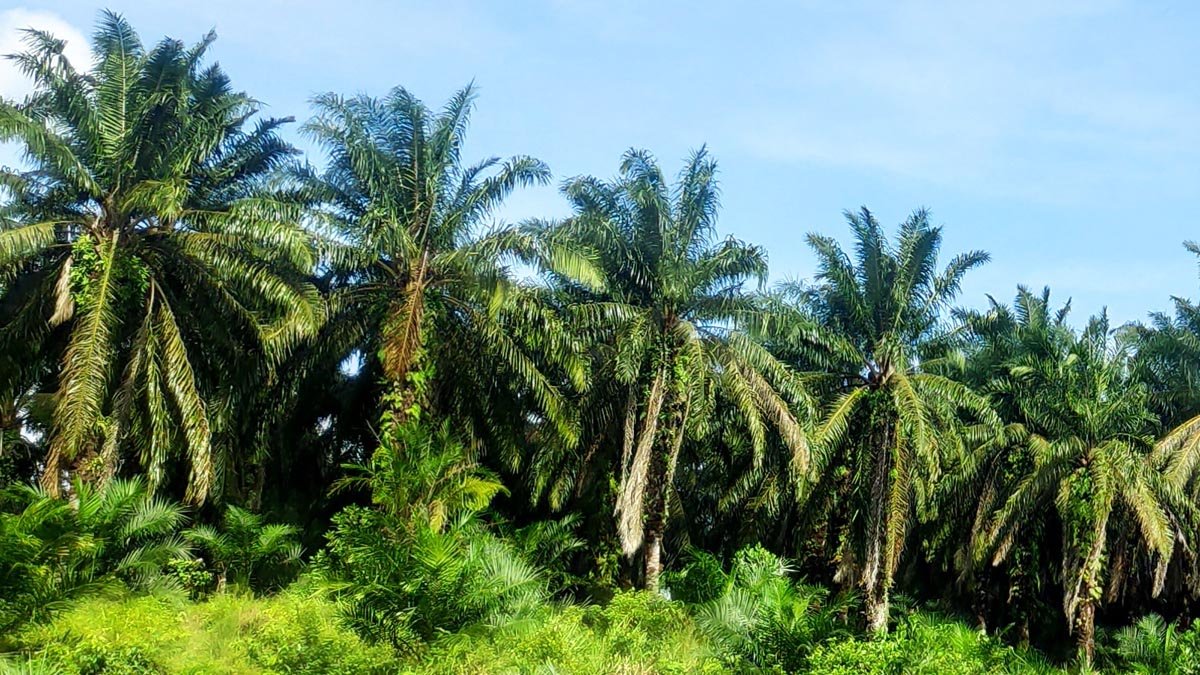
Rising prices for inorganic fertilizers are encouraging Indonesia’s palm oil industry to adopt more efficient nutrient-management strategies, including organic fertilizers and land application, while industry players remain optimistic about the sector’s long-term prospects.
PALMOILMAGAZINE, JAKARTA — Rising prices for inorganic fertilizers in recent years have not dampened optimism over the outlook for Indonesia’s palm oil industry. Instead, plantation companies and growers are adapting by pursuing more efficient fertilization strategies, including the use of organic fertilizers and land application (LA) to support plantation productivity.
Azis Hidayat, chairman of the plantation affairs division at the Indonesian Palm Oil Association (GAPKI), said fertilizer costs remain one of the key challenges facing the plantation sector.
Higher prices for chemical fertilizers can increase plantation maintenance costs, particularly as companies and smallholders continue to face pressure to maintain yields.
Also Read: SPKS and BPDP Train Aceh Smallholders to Turn Palm Waste into Organic Fertilizer
However, the cost pressures are also encouraging the industry to explore more efficient approaches to plant nutrition management.
“Palm oil nutrient management does not always have to rely entirely on inorganic fertilizers,” Azis said at an event attended by PalmOilMagazine in late May 2026.
According to Azis, the use of organic fertilizers is becoming increasingly common as part of fertilization strategies in oil palm plantations. One approach is land application, which allows organic materials to be utilized as part of nutrient management within plantation areas.
The use of organic fertilizers does not necessarily mean completely replacing chemical fertilizers. Instead, the approach can complement conventional fertilization by supplying nutrients while helping companies and smallholders manage production costs more efficiently.
Also Read: PalmCo Turns Palm Waste into Organic Fertilizer for Sustainable Farming
Higher Fertilizer Costs, but Production Continues to Grow
Azis said the development of Indonesia’s palm oil production is one indication of the industry’s ability to adapt to rising production costs.
Despite concerns over expensive fertilizers among industry players over the past year, Indonesia’s palm oil production has continued to grow.
The trend indicates that plantation operators are responding to higher input costs through innovations in plantation management, more efficient fertilizer use and efforts to optimize productivity.
“This shows that industry players continue to adapt through various innovations and more efficient plantation management strategies,” he said.
At the same time, Azis stressed that the sustainability of the palm oil industry should not be considered solely from the perspective of plantation companies.
The condition of smallholders and communities whose livelihoods depend on the plantation sector should also be taken into account when formulating policies.
Rising production costs, combined with increasing household expenses, could create additional pressure on communities, including oil palm smallholders. Policies affecting the palm oil industry therefore need to consider the ability of these communities to cope with changing economic conditions.
Also Read: Study Finds Soil CO₂ Emissions Rise During First Three Years of Oil Palm Plantations on Peatland
Positive Outlook for Indonesia’s Palm Oil Sector
Despite the challenges, Azis remains positive about the outlook for Indonesia’s palm oil industry.
He said the sector continues to demonstrate resilience and remains an important contributor to the national economy.
Palm oil industry growth, which he put at around 7.2%, is one indication that the sector still has room to expand while maintaining its strategic role for Indonesia.
Also Read: Indonesia Raises September CPO Reference Price 1.10% to US$1,007.51/MT
“Amid these various challenges, I remain optimistic about the outlook for Indonesia’s palm oil industry,” Azis said.
He added that if commodity prices remain at reasonable levels and market conditions stay supportive, the palm oil industry should be able to maintain its position as one of Indonesia’s important sources of foreign exchange.
The sector’s contribution extends beyond government revenues. Its economic value is spread across the plantation, trading, processing and transportation sectors, as well as economic activities in communities located in major palm oil-producing regions.
The palm oil industry also provides livelihoods for millions of families whose incomes depend on oil palm plantations, both through plantation companies and smallholder estates. (P2)