The Pekanbaru administration is preparing a Regional Action Plan for Sustainable Palm Oil (RAD-KSB) to strengthen the economic contribution of its 24,000-hectare palm oil area while maintaining environmental safeguards.
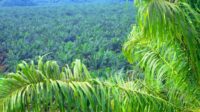
PALMOILMAGAZINE, PEKANBARU, INDONESIA — Despite its image as a metropolitan city, Pekanbaru retains significant potential from its plantation sector, with around 65% of the city’s territory still consisting of rural settlements and plantation areas. Oil palm plantations are estimated to cover approximately 24,000 hectares.
The potential is now being addressed by the Pekanbaru municipal government through the preparation of a Regional Action Plan for Sustainable Palm Oil (RAD-KSB).
Also Read: 84% of Indonesia’s September Fire Hotspots Found in Open-Access Areas, Expert Says
The initiative is intended to ensure that palm oil development is not focused solely on increasing production, but also generates long-term economic benefits while maintaining environmental sustainability.
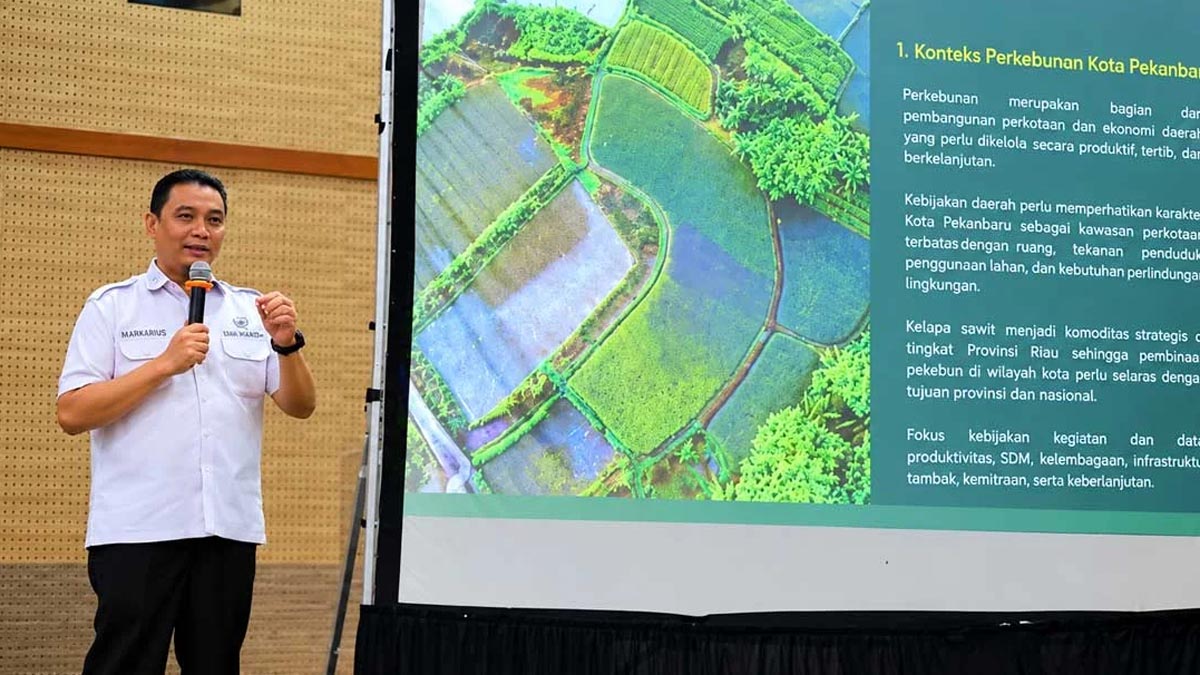
Pekanbaru Deputy Mayor Markarius Anwar said the city’s approximately 24,000 hectares of oil palm plantations represent an important economic asset for the region and local communities.
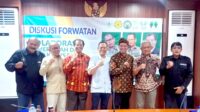
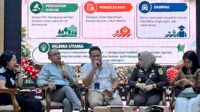
He made the remarks while opening a RAD-KSB socialization event organized by the Pekanbaru Agriculture and Fisheries Agency at Hotel Pangeran Pekanbaru on Wednesday (Sept. 30, 2026).
“This shows that the plantation sector has the potential to increase regional income and support economic growth for the community,” Markarius said, according to the Pekanbaru municipal government.
He emphasized that the potential needs to be managed through a balanced approach, with higher palm oil production and economic value development progressing alongside environmental protection.
RAD-KSB to Guide Sustainable Palm Oil Development
Markarius said the RAD-KSB would help align the efforts of the government, smallholders, businesses and other stakeholders in managing the city’s palm oil sector.
The document is expected to serve as a framework for various palm oil development programs in Pekanbaru, with an emphasis on productivity, better management and sustainability.
Also Read: DSI Strengthens Indonesia’s Strategic Commodity Export Ecosystem Through Pilot Platform
“The considerable plantation potential must be managed in balance. Economic growth should not come at the expense of environmental sustainability,” he said.
Pekanbaru Agriculture and Fisheries Agency Head Maisisco said sustainable palm oil development extends beyond production and farmers’ incomes.
Land governance, legal status, environmental management, productivity and improvements in community welfare are also essential components of sustainable plantation development, he said.
Maisisco noted that Riau is one of Indonesia’s major palm oil production centers. In 2025, the province produced approximately 9.46 million tonnes of crude palm oil (CPO). Meanwhile, Statistics Indonesia (BPS) Riau data showed that smallholder oil palm production reached around 5.58 million tonnes in 2024.
Against this backdrop, the government is promoting productivity improvements through intensification and replanting on existing plantation areas.
The approach is intended to increase production without requiring the opening of new land, allowing palm oil-based economic development to continue while maintaining the environment’s carrying capacity. (P2)