


PALMOILMAGAZINE, JAKARTA — Indonesia’s palm oil industry continues to play a strategic role in supporting the national economy, contributing to economic growth, export performance and energy security. Leveraging its competitive advantages and high productivity, the government is encouraging the industry to pursue sustainable growth through improved plantation yields, stronger smallholder capacity, sustainability standards and accelerated downstream development.
According to EKON, as cited by PalmOilMagazine on Monday (Nov. 16, 2026), the plantation subsector contributed 5.15% to Indonesia’s gross domestic product (GDP) in the third quarter of 2026, with palm oil accounting for the largest share of the subsector.
The industry’s export performance also remained strong. Palm oil export earnings reached US$28.84 billion in January–October 2026, up 16% from US$24.88 billion in the same period last year.
Also Read: DSI to Launch Palm Oil Export System on January 1, 2027, with Single-Digit Dollar Service Fee
In volume terms, exports totalled 33.8 million tonnes, representing a 6% increase year-on-year.
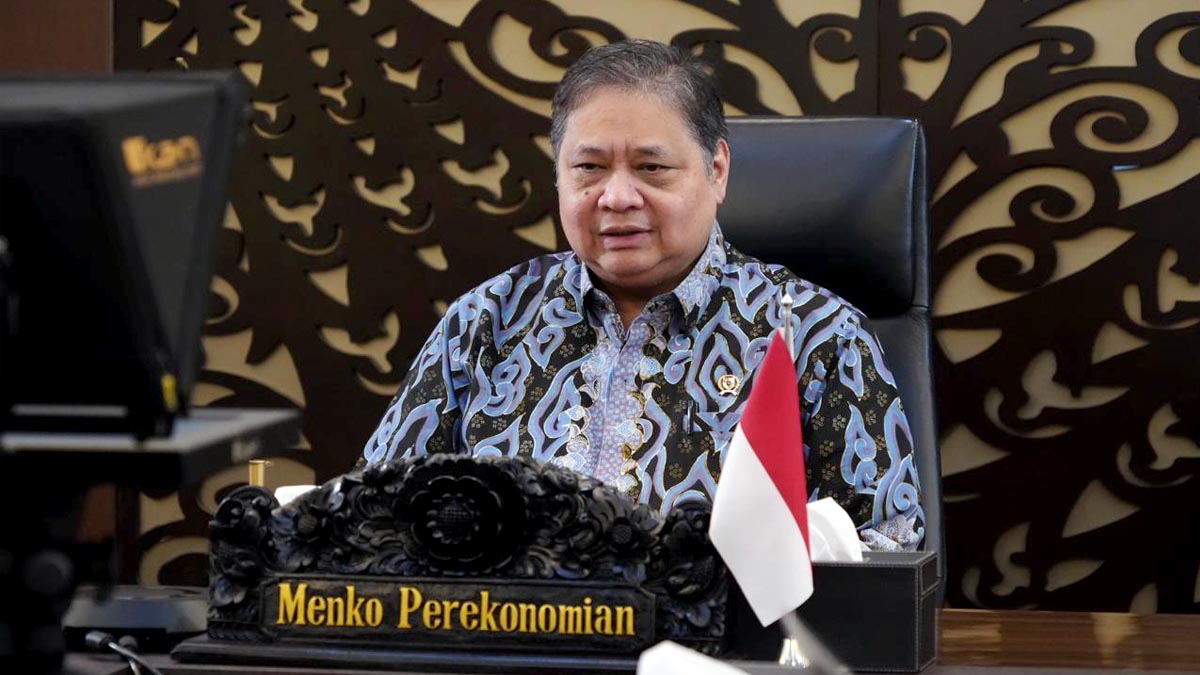
“Palm oil is one of Indonesia’s strategic commodities. In addition to making a significant contribution to the national economy, it has a comparative advantage in terms of land-use efficiency, with oil productivity reaching approximately four tonnes per hectare, compared with less than 0.7 tonnes per hectare for other major vegetable oil crops,” Coordinating Minister for Economic Affairs Airlangga Hartarto said.
Airlangga delivered the remarks virtually during the 22nd Indonesian Palm Oil Conference (IPOC) 2026 on Thursday (Nov. 12).
Also Read: Indonesia Prepares B50 Biodiesel Framework as Infrastructure and Financing Take Centre Stage
Government Strengthens Support for Smallholders
The government is also seeking to ensure that the economic benefits of the palm oil industry are distributed more widely, particularly among smallholders.
Support is being channelled through several programmes, including the Smallholder Palm Oil Replanting Programme (Peremajaan Sawit Rakyat or PSR), the Palm Oil Plantation Facilities and Infrastructure Programme, and the Palm Oil Plantation Human Resources Development Programme.
Also Read: Oil World: Global Palm Oil Exports to Fall by Up to 3.5 Million Tons in 2027 as Prices Rise
The human resources programme includes educational scholarships, technical training and capacity-building initiatives for smallholders.
These initiatives are designed to increase plantation productivity without requiring additional land expansion.
The government’s efforts are reflected in Indonesia’s rising palm oil production, which increased from 52.76 million tonnes in 2024 to 56.55 million tonnes in 2025.
For 2026, production is projected to reach approximately 60 million tonnes, while domestic consumption is estimated at 27.9 million tonnes and exports at around 35 million tonnes.
ISPO Certification and Sustainability Standards
On the sustainability front, the government is continuing to strengthen the implementation of Indonesian Sustainable Palm Oil (ISPO) certification as the country’s national framework for ensuring that palm oil production meets sustainability requirements.
Development of the ISPO Information System is also progressing to improve the integration of plantation data, certification records and related supply chain information.
Also Read: ISPO Training Prepares 87 Aceh Singkil Oil Palm Smallholders for Certification
According to the government, stronger data integration and certification systems are essential to meeting sustainability standards and market requirements while providing a foundation for further development of the palm oil downstream industry.
B50 Biodiesel to Strengthen Energy Security
One of the government’s strategic downstream initiatives is the implementation of the B50 biodiesel mandate, which began on July 1, 2026.
The policy is expected to increase biodiesel requirements from approximately 15.6 million kilolitres under the B40 programme to around 16.7 million kilolitres under B50.
Also Read: North Sumatra FFB Prices Reach IDR 3,689.80/kg for 21-Year-Old Palms in November 11–17, 2026 Period
Beyond expanding domestic resource utilisation, the B50 programme is projected to reduce greenhouse gas emissions by approximately 44.46 million tonnes of carbon dioxide equivalent (CO₂e).
The government is also exploring the development of palm oil-based Sustainable Aviation Fuel (SAF) as part of its broader national energy transition agenda.
These initiatives are intended to strengthen the role of palm oil in meeting domestic energy requirements while creating additional opportunities for downstream industrial development.
Also Read: Indonesia Cuts November 2026 CPO Reference Price 6.07% to US$978.90/MT, Sets Export Duty at US$124
Collaboration to Strengthen Global Competitiveness
Airlangga said the challenges facing the palm oil industry also present opportunities to strengthen Indonesia’s competitiveness and expand its contribution to global supply chains.
He emphasised that sustained collaboration among stakeholders at both national and international levels would be essential to developing a productive, inclusive and sustainable palm oil industry.
“With continued collaboration and a shared commitment, we can ensure that Indonesia’s palm oil industry remains a responsible contributor to global food security, a pillar of energy security and a source of sustainable economic resilience,” Airlangga concluded. (P3)