With an estimated 125 million tonnes of POME generated annually, Indonesia could produce billions of cubic meters of biogas while cutting methane emissions, creating new revenue streams and supporting the country’s renewable energy transition.
PALMOILMAGAZINE, JAKARTA — Indonesia has significant potential to become one of the world’s leading producers of biogas from palm oil mill effluent (POME), according to the National Research and Innovation Agency (BRIN).
BRIN researcher Prof. Dr. Erma Yulihastin said Indonesia has abundant palm oil waste that could be converted into renewable energy while creating additional economic and environmental value.
Also Read: 4F and BRIN Research Highlights Links Between Forests, Soil, Oil Palm and Community Livelihoods
“Indonesia has significant potential to develop biogas from palm oil mill effluent (POME). POME is a strategically valuable energy source because it can be processed into electricity, heat and fuel,” Erma said in a statement in Jakarta on Tuesday.
The potential is supported by Indonesia’s extensive oil palm plantations, covering around 16.8 million hectares, with fresh fruit bunch (FFB) production estimated at approximately 250 million tonnes annually.
Each tonne of FFB can generate around 0.5 tonnes of POME. Based on this ratio, Indonesia could potentially produce approximately 125 million tonnes of POME each year as feedstock for biogas production.
“POME contains high levels of organic matter and is continuously available as long as palm oil mills remain in operation,” Erma said.
Also Read: Closing the Biomethane Loop: Why POME Must Become Part of Indonesia’s Energy Strategy
POME Biogas Offers Environmental and Economic Benefits
Erma said developing POME-based biogas could deliver environmental, economic and social benefits.
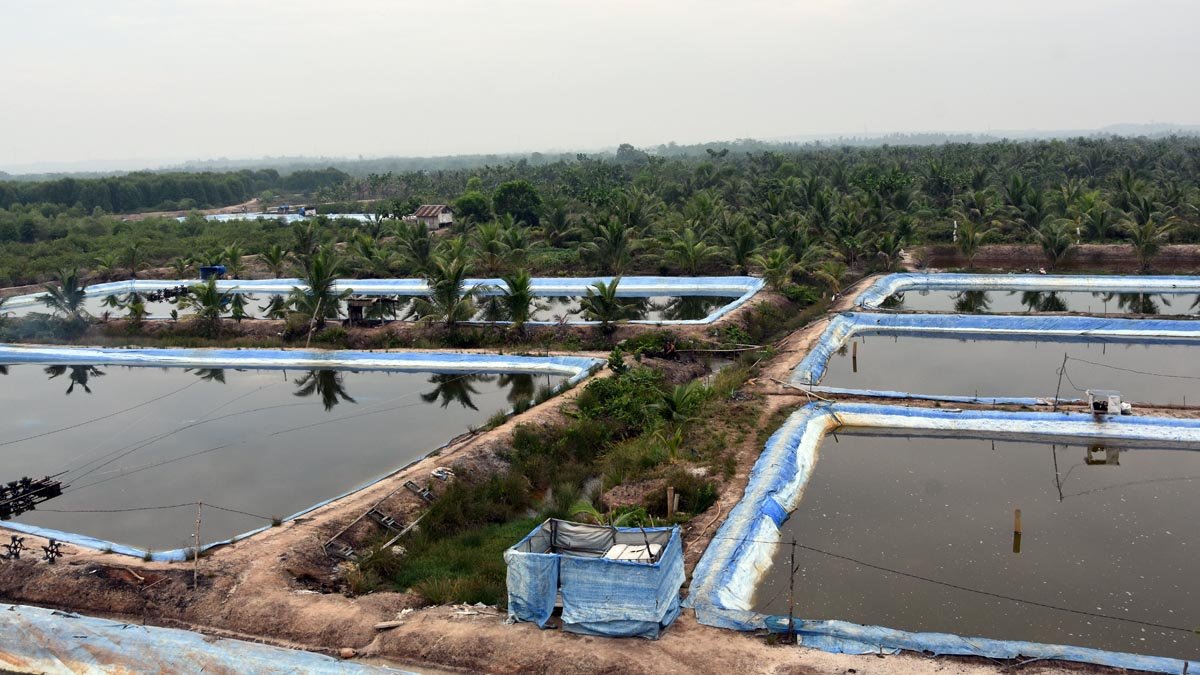
From an environmental perspective, converting POME into biogas can reduce methane emissions from conventional open wastewater ponds.
POME treatment can also reduce the organic load of wastewater, minimize odors and lower the risk of pollution affecting water sources and soil.
Also Read: ICAO Officially Approves POME as a Certified Feedstock for Sustainable Aviation Fuel
The technology could also support Indonesia’s renewable energy targets and reduce emissions by replacing fossil fuels.
According to research cited by Erma, a biogas facility can reduce emissions by approximately 1,131 tonnes of CO₂ equivalent per month.
The economic and social benefits are also significant, she said, particularly through job creation associated with the construction, operation and maintenance of biogas facilities.
Biogas can also reduce energy costs at palm oil mills and potentially serve as fuel for vehicles and local industries after being upgraded into bio-compressed natural gas (bio-CNG).
“The economic benefits can be enjoyed by companies, local workers and surrounding communities as long as local stakeholders are directly involved in its management,” Erma said.
Also Read: BGA Launches Biogas Facility in Central Kalimantan, Slashing 327 Tons of CO₂ Emissions Daily
BPDP Supports POME Biogas Innovation
The Indonesian government has been promoting palm oil-based bioenergy innovation through the Plantation Fund Management Agency (BPDP) as part of efforts to reduce dependence on imported fossil energy, improve the oil and gas trade balance, cut greenhouse gas emissions and mitigate global warming and climate change.
One of BPDP’s initiatives supporting technological and product innovation in POME biogas is the Palm Oil Research Grant (Grant Riset Sawit/GRS) program.
BPDP funding supports research and technology development across various stages, from system design and installation to production and testing in vehicles.
Also Read: Exports of POME Surpass CPO Volumes, Indonesia Enforces Stricter Export Regulations
Indonesia Could Produce 3.6 Billion Cubic Meters of Biogas
Palm Oil Agribusiness Strategic Policy Institute (PASPI) Executive Director Tungkot Sipayung said the energy potential of POME-based biogas is substantial.
He estimated that each tonne of POME could generate approximately 28.8 cubic meters (m³) of biogas through methane-capture technology.
With potential POME production of around 125 million tonnes annually, Indonesia could theoretically produce approximately 3.6 billion m³ of biogas per year.
Also Read: Closing the Biomethane Loop: Why POME Must Become Part of Indonesia’s Energy Strategy
However, Tungkot said stronger national policies are needed to unlock the country’s full potential. POME-to-biogas utilization currently accounts for only around 15% of the available potential, he said.
He proposed three key policies to accelerate POME-based biogas development.
First, Indonesia should establish a palm oil-based carbon trading mechanism, particularly for POME.
Second, the government should introduce mandatory methane capture at all palm oil mills, supported by investment incentives.
Third, Indonesia should implement a mandatory blending policy for biogas and fossil gas for domestic energy use.
“If these three policies can be implemented, I am confident that all palm oil mills will develop methane-capture systems,” Tungkot said.
Such development, he added, would increase gas availability, expand biopower generation, reduce emissions and create new revenue streams for palm oil mills.
For Indonesia’s palm oil industry, POME could therefore evolve from a wastewater-management challenge into a strategic source of renewable energy, additional income and emissions reduction. (P3)