Revised EUDR rules postpone implementation and simplify due diligence obligations, while maintaining requirements for traceability and deforestation-free supply chains.
PALMOILMAGAZINE, JAKARTA — Companies placing commodities linked to deforestation on the European Union market have been given additional time to comply with the EU Deforestation Regulation (EUDR), following amendments that postpone implementation and simplify several due diligence requirements.
The changes were agreed by the European Parliament and EU member states in December 2025 and incorporated into Regulation (EU) 2025/2650, which was published in the EU Official Journal on December 23, 2025 and entered into force three days later.
Also Read: Indonesia Parliament Passes Agrarian Reform Law with 14 Chapters and 53 Articles
The European Parliament approved the changes by 405 votes to 242, with eight abstentions. The amendments were designed to reduce administrative burdens and address implementation challenges, including pressure on the EUDR information system.
EUDR Application Delayed Until 2026 and 2027
Under the revised regulation, most companies will have an additional year before the EUDR obligations become applicable.
Large operators, traders and other companies outside the micro and small enterprise category must comply from December 30, 2026. Eligible micro and small enterprises will have until June 30, 2027.
Also Read: KPBN Inacom CPO Price Falls to IDR 15,621/kg on Tuesday (Sept. 22) as Malaysia CPO Drops 0.97%
There is an exception for certain micro and small operators already covered by the EU Timber Regulation, which remain subject to the earlier December 30, 2026 date.
The additional time is intended to support a smoother transition and allow the EU to improve the information technology system used by companies and other parties to submit electronic due diligence statements.
For the palm oil industry, the change is significant because palm oil is one of the commodities covered by the EUDR, alongside cattle, cocoa, coffee, rubber, soy and wood.
Also Read: Dr. Hari Priwiratama Appointed to Lead Indonesian Oil Palm Research Institute
Due Diligence Requirements Simplified
The revised regulation also changes how due diligence statements are handled along the supply chain.
The obligation to submit a due diligence statement is now focused on the operator that first places the relevant product on the EU market, rather than being repeated by companies further down the supply chain.
Also Read: Indonesia’s Agrarian Reform Bill Draws Palm Oil Land Conflict, Worker Concerns
Downstream operators that subsequently commercialize the products will no longer have to submit the same due diligence statement or pass the statement’s reference number further along the supply chain in the same manner as under the previous framework.
The changes also reduce certain requirements for micro and small primary operators, simplifying the compliance process for businesses that fall within the relevant categories.
The European Parliament said the changes were intended to reduce administrative burdens while maintaining the objectives of the deforestation regulation.
Also Read: Malaysia Palm Oil Faces EUDR Compliance Pressure as Traceability Gains Importance
Certain Printed Products Removed From Scope
The revised regulation also removes certain printed products from the EUDR’s scope.
The amendment deletes the category covering printed books, newspapers, pictures and other products of the printing industry from Annex I of the regulation.
The core objective of the EUDR, however, remains unchanged: products covered by the regulation must meet requirements intended to ensure they are not associated with deforestation or forest degradation.
Also Read: EU Exempts Palm Oil Waste from EUDR, Creating New Opportunities for Circular Economy Growth
Implications for Indonesia’s Palm Oil Supply Chain
For Indonesia’s palm oil industry, the revised implementation timetable provides additional preparation time, but it does not remove the core traceability requirements.
Companies involved in supplying palm oil and palm oil products to the EU will still need reliable information on the origin of commodities and the location of production, together with the documentation necessary to demonstrate compliance with the regulation.
Also Read: Malaysia Nears Full MSPO Coverage, Advances Digital Traceability to Meet EUDR Standards
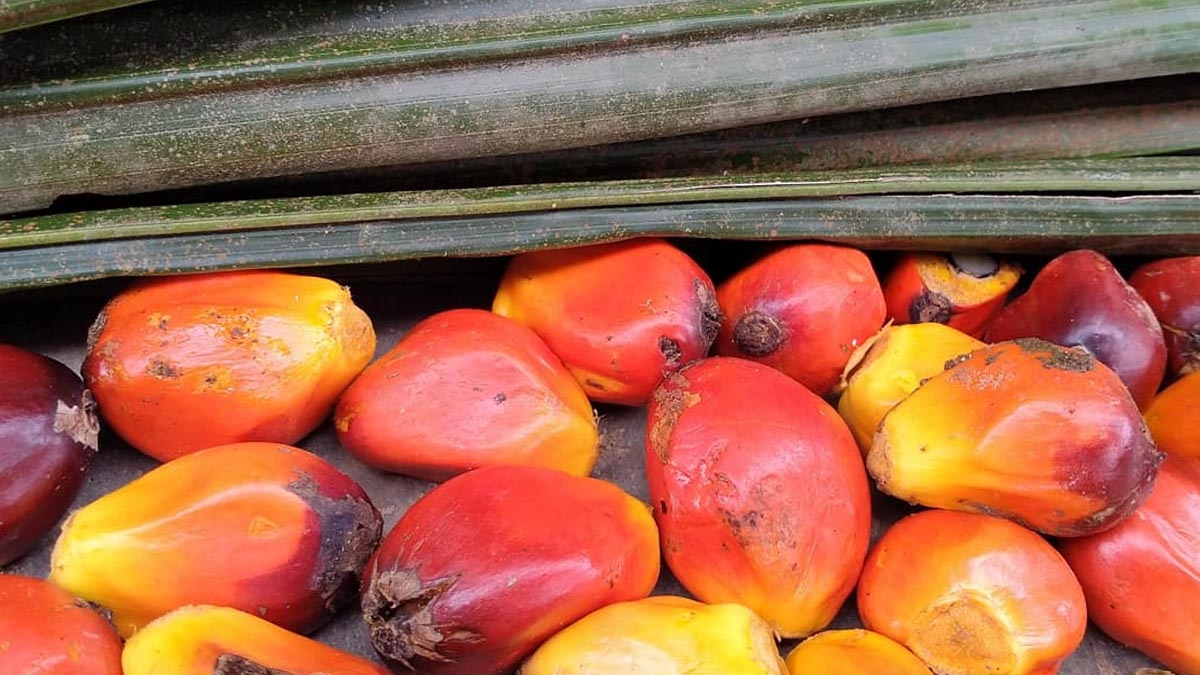
For the Indonesian palm oil supply chain, this makes traceability of fresh fruit bunches (FFB), plantation locations, geospatial data and compliance with applicable producer-country laws important elements of EUDR readiness.
The additional time before implementation could allow companies, suppliers and producing regions to strengthen data collection, geolocation systems and supply-chain traceability.
For most companies, the key compliance date is now December 30, 2026, while eligible micro and small enterprises have until June 30, 2027.
As the implementation date approaches, the focus for Indonesia’s palm oil sector will increasingly shift from preparing for the regulation to demonstrating that supply-chain data is complete, accurate and capable of meeting the EU’s deforestation-free requirements. (T2)