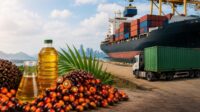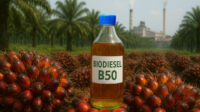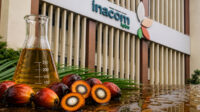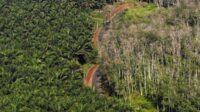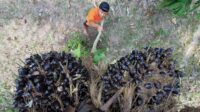
The policy change removes due diligence requirements for palm biomass waste, paving the way for greater investment in value-added products such as organic fertilizers, biochar, and animal feed.
PALMOILMAGAZINE, Jakarta, Indonesia — The European Union’s decision to exclude palm oil waste from the scope of the European Union Deforestation Regulation (EUDR) is expected to unlock new opportunities for circular economy development within the global palm oil industry. The move is seen as easing trade compliance while encouraging the conversion of palm biomass into higher-value products, including organic fertilizers, biochar, and livestock feed.
The EU recently announced further revisions to the implementation of the EUDR, removing several products from the regulation’s scope. Alongside leather products, palm oil waste will no longer be subject to the due diligence requirements that continue to apply to palm oil and other regulated commodities.
Also Read: Indonesia Prepares National Traceability System to Tackle EUDR
For the palm oil sector, the exemption is viewed as a positive development that could facilitate international trade in palm-based by-products while stimulating downstream investment in biomass utilization.
A spokesperson for the Roundtable on Sustainable Palm Oil (RSPO) noted that palm oil waste is already widely used in Europe as a feedstock for biofuel production. However, its potential extends far beyond renewable energy, particularly in supporting sustainable and regenerative agricultural practices.
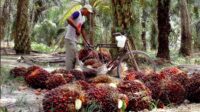
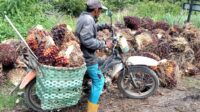
Palm oil production generates substantial volumes of biomass, including empty fruit bunches (EFB), oil palm trunks, fronds, and Palm Oil Mill Effluent (POME). In some cases, the volume of these by-products exceeds the volume of crude palm oil produced.
Also Read: Why Palm Oil Is Widely Used in Packaged Foods: Seven Advantages That Keep It an Industry Favorite
According to research from Imperial College London, every tonne of palm oil produced generates approximately 1.1 tonnes of empty fruit bunches, highlighting the significant biomass resource available for further processing.
Without proper management, these residues can pose environmental risks. Burning empty fruit bunches contributes to air pollution, while poorly managed disposal can generate methane emissions, a potent greenhouse gas linked to climate change.
Conversely, effective utilization of palm biomass can become a key component of both circular economy strategies and regenerative agriculture.
Also Read: China GACC Audit Boosts Indonesia’s Palm Oil Export Prospects
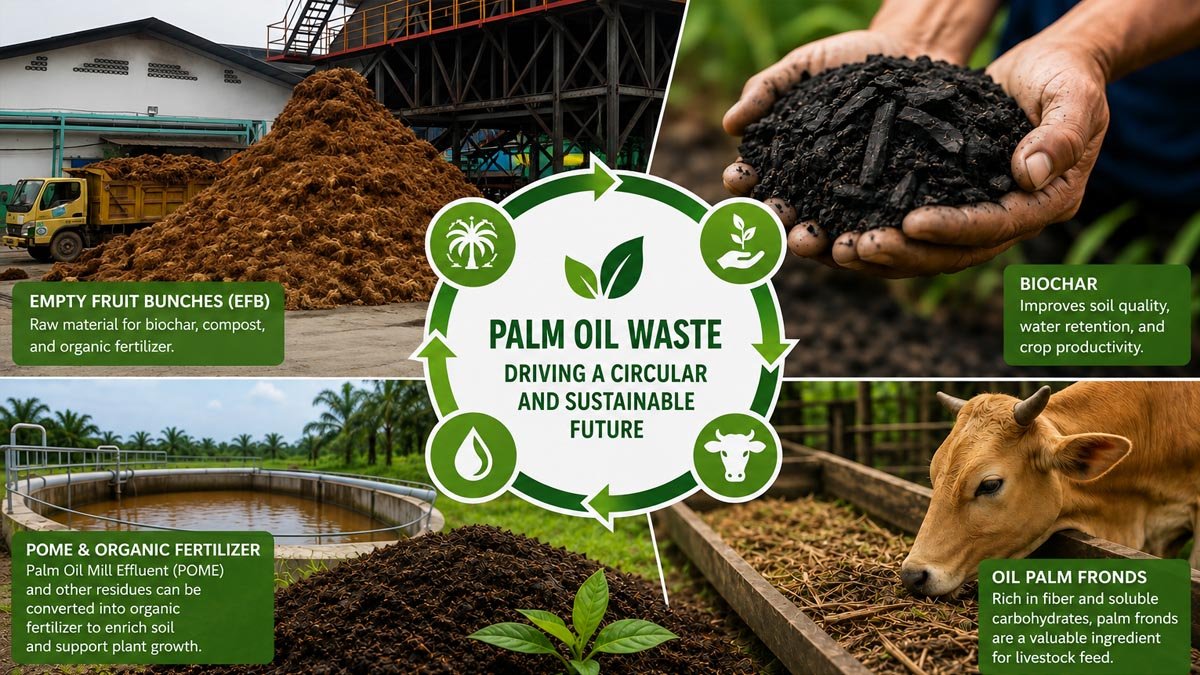
RSPO explained that once palm oil has been extracted, empty fruit bunches can be processed into biochar, a carbon-rich material that improves soil health by enhancing water retention, increasing nutrient availability, and boosting crop productivity.
Both POME and empty fruit bunches can also be converted into organic fertilizers. Research published in the journal Frontiers found that empty fruit bunches contain essential nutrients—including nitrogen, phosphorus, potassium, and magnesium—that help improve soil fertility.
These biomass materials are also suitable for composting, enhancing soil structure and supporting long-term nutrient cycling. Even oil palm trunks removed during replanting programs can be processed into compost.
Also Read: KPBN Inacom CPO Price Falls to IDR 15,750/kg as Malaysian Futures Advance
Meanwhile, oil palm fronds offer additional value as livestock feed. Containing approximately 70% fiber and 22% soluble carbohydrates, they provide a promising feed resource for integrated crop-livestock farming systems.
“Reusing waste products not only delivers environmental benefits and supports climate change mitigation, but also helps reduce production costs while creating additional income streams for companies and independent smallholders,” an RSPO spokesperson said, as quoted by PalmOilMagazine from FoodNavigator.
With palm oil waste now excluded from the EUDR, these products will no longer be required to undergo the complex due diligence procedures imposed on palm oil exports. The exemption is expected to facilitate trade in palm biomass to the European market while attracting new investment in downstream processing industries.
For agribusinesses and global food manufacturers, the policy presents an opportunity to expand the use of palm biomass as a feedstock for value-added products. For producing countries such as Indonesia, the exemption could accelerate the development of a circular bioeconomy while increasing the economic value derived from every part of the oil palm crop. (P2)