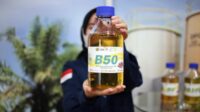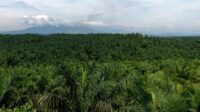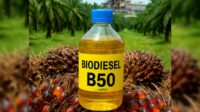

PALMOILMAGAZINE, JAKARTA, INDONESIA — Indonesia’s palm oil industry is facing persistent productivity challenges despite an expected increase in national production this year, according to the Indonesian Palm Oil Association (GAPKI). Improving plantation performance is becoming increasingly important as domestic palm oil demand is projected to rise, particularly with the planned implementation of the B50 biodiesel mandate.
R. Aziz Hidayat, Chairman of GAPKI’s Plantation Affairs Division, said Indonesia’s palm oil production is projected to reach 51.66 million tons in 2026, up from 48.16 million tons recorded last year.
Production also increased during the first seven months of the year, reaching 35.6 million tons as of July, compared with 33.4 million tons in the same period last year.
Also Read: Rising Biodiesel Demand Could Push CPO Prices Higher in 2027, GAPKI Says
Meanwhile, the value of palm oil exports rose to US$23.2 billion through July, exceeding the US$20.9 billion recorded during the corresponding period in 2025.
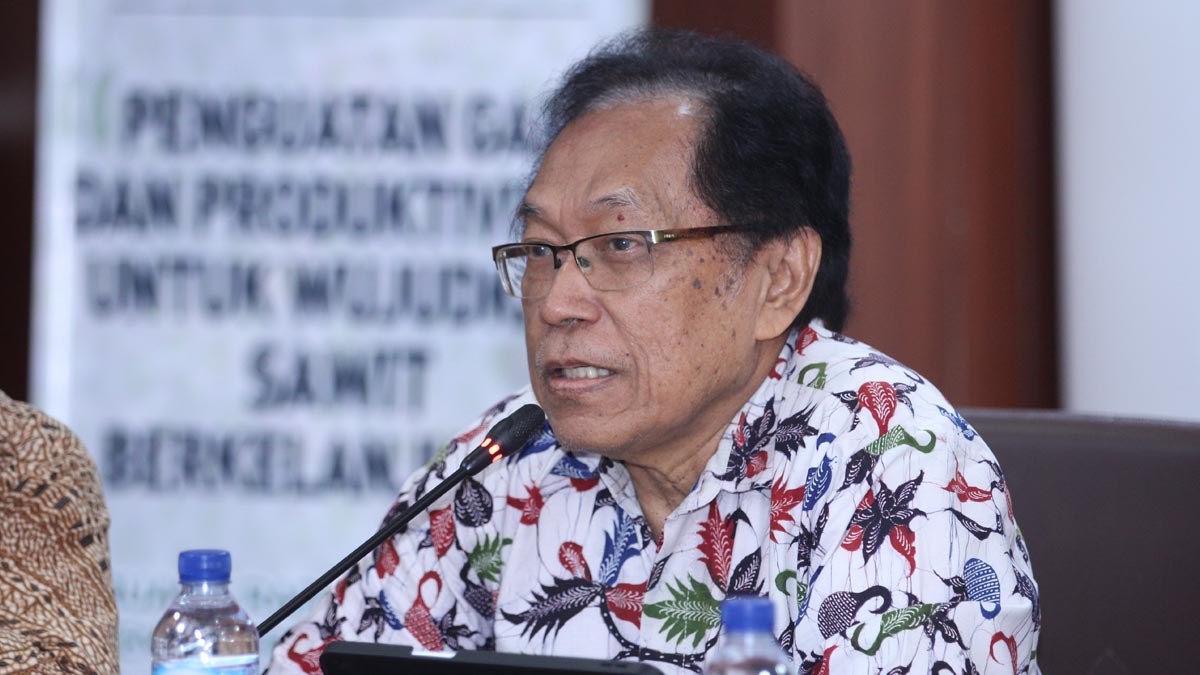
“What is encouraging is that export earnings reached US$23.2 billion through July, compared with around US$20.9 billion in July last year. Foreign exchange earnings amounted to IDR403 trillion. Hopefully, we can break the record set during the Covid-19 period, when export earnings reached around IDR700 trillion by year-end,” Aziz said at a discussion organized by the Agricultural Journalists Forum (FORWATAN), titled Strengthening Good Agricultural Practices and Productivity to Achieve Sustainable Palm Oil, at Building C of the Ministry of Agriculture in Jakarta on Wednesday (Nov. 18, 2026).
Plantation Productivity Remains a Major Concern
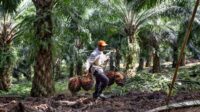
Despite the increase in production, Aziz cautioned that higher output does not necessarily mean underlying productivity problems have been resolved. Plantation productivity remains a major concern, with performance stagnating or even declining in several areas.
“Production and productivity are the main challenges. They have stagnated and, in some cases, declined. This is particularly concerning as our biodiesel mandate increases from B40 to B50,” he said.
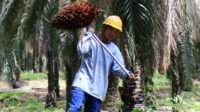
Aziz emphasized the need to accelerate the Smallholder Palm Oil Replanting Program (Peremajaan Sawit Rakyat or PSR), which is intended to improve the condition and productivity of smallholder plantations while helping maintain the industry’s raw material supply.
According to figures presented by Aziz, PSR implementation had covered approximately 420,000 hectares and involved around 190,000 smallholders as of November 2026.
However, the program continues to face administrative and land-tenure obstacles, particularly involving plantation registration documents, land ownership certificates and plantations located within forest areas.
“Challenges facing the PSR program include STDB and SHM documentation, plantations located within forest areas, and concerns among smallholders about being summoned by law enforcement authorities,” he said.
Company Partnerships Support Smallholder Replanting
GAPKI is also encouraging PSR implementation through partnership arrangements between plantation companies and smallholders. The approach has been pursued since 2022, including with farmers who previously participated in nucleus-plasma schemes and subsequently continued their partnerships with companies.
Aziz said the process requires time and patience, particularly when smallholders need to assemble the documentation required to establish formal partnerships.
Also Read: Indonesia Strengthens Fertilizer and Seed Industries to Sustain Food Self-Sufficiency
“Patience and time are needed to collect the documents required for company partnerships. On average, these farmers were previously part of plasma schemes. The nucleus-plasma model is no longer operating in the same way as before,” he said.
He added that assistance with PSR documentation could also help smallholders meet the requirements for Indonesian Sustainable Palm Oil (ISPO) certification.
“Once these requirements are fulfilled, moving toward ISPO certification becomes much easier because the requirements are the same,” Aziz said.
Also Read: Indonesia Cuts November 2026 CPO Reference Price 6.07% to US$978.90/MT, Sets Export Duty at US$124
GAPKI Calls for Faster Land Documentation and Transparent Licensing
According to Aziz, ISPO should serve not only as a regulatory compliance mechanism but also as an instrument to improve plantation governance, environmental protection, respect for human rights and the competitiveness of Indonesian palm oil products.
Accelerating certification, therefore, needs to go hand in hand with resolving land-ownership issues and improving licensing services.
Also Read: Indonesia-EU Trade Deal Could Boost Indonesian Palm Oil Access to European Market
Aziz proposed speeding up the issuance of free Surat Tanda Daftar Budidaya (STDB), or cultivation registration certificates, alongside land certification and a measured resolution for oil palm plantations located within forest areas.
He also called for a transparent and accountable electronic licensing system with clearly defined requirements, processing times and costs. (P3)