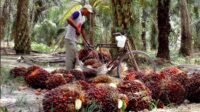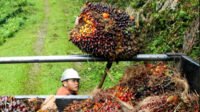
PALMOILMAGAZINE, JAKARTA – Indonesia will place the palm oil industry among its priority sectors at INNOPROM 2026 in Yekaterinburg, Russia, as the government seeks to expand investment opportunities, strengthen export market access, and deepen industrial cooperation with Russia.
The international industrial exhibition is expected to serve as a strategic platform for Indonesia to promote its downstream palm oil industry, manufacturing capabilities, and sustainable industrial development while enhancing economic ties with Russia and the wider Eurasian region.
According to an official statement from the Ministry of Industry received by Palmoilmagazine.com on Friday (June 26, 2026), stronger bilateral relations between Indonesia and Russia are considered essential to improving the competitiveness of Indonesia’s industrial sector, including enhancing the global position of the country’s palm oil industry.
Also Read: Palm Oil as a Renewable Natural Resource
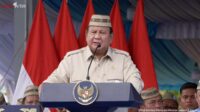
Minister of Industry Agus Gumiwang Kartasasmita stated that Indonesia’s participation as the Partner Country at INNOPROM 2026 represents a significant opportunity to strengthen economic and industrial relations between the two nations.
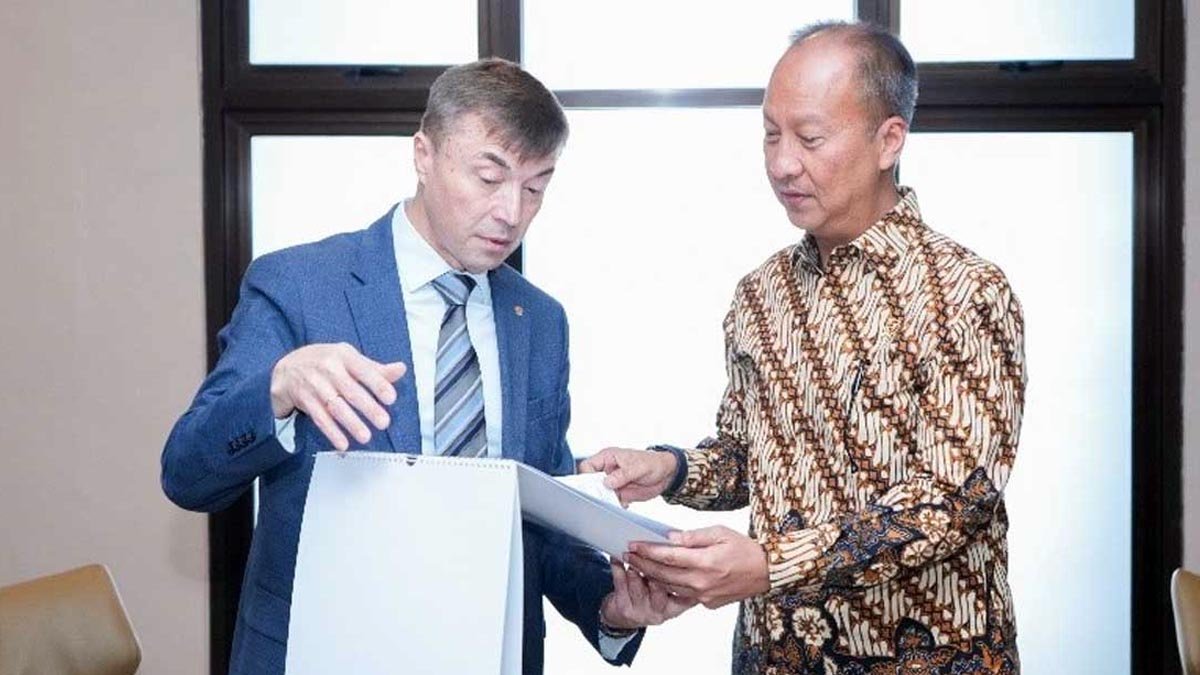
“This trust provides momentum for Indonesia to expand industrial cooperation and create partnerships that deliver tangible benefits for both Indonesia and Russia,” Agus said during a meeting in Jakarta with Russian Ambassador to Indonesia Sergei Gennadievich Tolchenov and Russian Trade Representative in Indonesia Alexander Masaltsev.
The meeting focused on preparations for INNOPROM 2026, which is scheduled to take place from July 6 to 9, 2026, in Yekaterinburg. In addition to exhibition arrangements, both countries discussed plans to enhance industrial collaboration through the signing of a Memorandum of Understanding (MoU) that would serve as a framework for cooperation across several strategic sectors.
Indonesia and Russia also reaffirmed their commitment to accelerating the implementation of two agreements signed in December 2025, covering cooperation in the shipbuilding industry and scientific studies on the safe use of chrysotile asbestos. The implementation of these agreements is expected to generate concrete programs that support industrial development and strengthen business partnerships between the two countries.
At INNOPROM 2026, Indonesia plans to bring approximately 50 companies representing various manufacturing sectors, including food and beverages, machinery, electronics, furniture, digital industries, green energy, and export-oriented manufacturing.
The participation of Indonesian companies is expected to create new investment opportunities and broaden market access in Russia and other Eurasian countries.
Also Read: FORTASBI Highlights Independent Smallholders’ Role in Emissions Reduction and Forest Conservation
For the palm oil industry, the exhibition will also provide an important opportunity to showcase Indonesia’s downstream development initiatives and sustainability commitments. The government intends to organize a series of business forums and panel discussions covering several promising sectors, including palm oil, petrochemicals, aluminum, shipbuilding, and industrial estate development.
These forums are expected to facilitate new business partnerships between investors, industry players, and stakeholders from both countries, while supporting greater investment and trade in Indonesian industrial products, including high value-added palm oil derivatives.
Concluding the meeting, Agus expressed optimism that industrial cooperation between Indonesia and Russia would continue to strengthen through the initiatives being prepared ahead of INNOPROM 2026.
Also Read: SPKS Urges Stronger BPDP Funding to Expand Palm Oil Certification and Boost Smallholder Productivity
“We believe that close cooperation between Indonesia and Russia will generate tangible benefits for both countries. Through INNOPROM 2026, we hope to create more opportunities for investment, trade, technology transfer, and industrial partnerships that support sustainable industrial growth,” Agus said. (P2)