

PALMOILMAGAZINE, BALI, INDONESIA — Malaysia’s crude palm oil (CPO) supply remains adequate, with no immediate signs of a shortage in the market. However, the potential impact of El Niño on oil palm production warrants close attention, as its effects are expected to emerge with a time lag, potentially becoming more evident in 2027 or beyond.
The assessment was delivered by Malaysian Palm Oil Board (MPOB) Chairman Datuk Mohamad Helmy Othman Basha during the 22nd Indonesian Palm Oil Conference (IPOC) 2026 and 2027 Price Outlook.
“Current CPO supply conditions remain relatively adequate. Therefore, concerns over a potential supply shortage are not yet an immediate issue in the market. Nevertheless, production developments in the coming period need to be closely monitored,” he said, as reported by PalmOilMagazine, citing InfoSAWIT, on Tuesday (Nov. 17).
Also Read: KPBN Inacom CPO Price Jumps IDR 372 to IDR 14,600/kg on Monday (Nov. 16), Malaysia Futures Fall
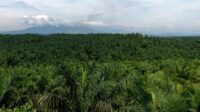
Helmy explained that the impact of El Niño on oil palm plantations is not necessarily reflected immediately while the climate phenomenon is occurring. A time lag typically exists before its effects become visible in production figures, meaning more significant consequences could emerge the following year or even later.
This outlook is particularly relevant for industry players assessing global palm oil supply prospects heading into 2027. Weather-related production changes could affect market balances, particularly if they coincide with shifts in demand and international trade policies.
Malaysia’s Export Levy and CPO Market Dynamics
At the same conference, Helmy also discussed Malaysia’s export levy policy, which remains an important consideration for industry players when determining sales destinations for CPO and processed palm oil products.
He explained that Malaysian CPO exports are subject to export levies under prevailing regulations. This policy influences companies’ marketing strategies, including decisions on whether to export CPO directly or process it further into downstream products.
Also Read: Malaysia CPO Price Falls 0.39% on Monday (Nov. 16), While KPBN Inacom Rises 2.61%
Helmy also highlighted the economic considerations facing Malaysian refineries. Export levy obligations are among the factors influencing companies’ decisions to sell CPO to international markets or process it domestically into higher-value-added products.
Malaysia continues to export palm oil products to various destinations, including India and countries across Africa. However, exporters must factor in the applicable levy costs when making commercial decisions.
Supply and Production in Focus Ahead of 2027
Helmy’s remarks underscore that the outlook for the palm oil market is shaped by more than current inventory levels. Trade policies, export costs, processing activities, and climatic conditions all play a role in determining future supply dynamics.
For now, MPOB considers Malaysia’s CPO supply adequate, with no immediate indication of a shortage. Nevertheless, the potential impact of El Niño on production remains a key factor to monitor, particularly given the delayed nature of its effects on oil palm yields.
Also Read: Indonesia’s B50 Biodiesel Plan Faces Export, Fiscal and Environmental Risks, Expert Warns
For the global palm oil market, Malaysia’s production performance in 2027 will be an important indicator. Any significant supply changes from major producing countries could influence international trade flows, market balances, and CPO price movements. (P2)