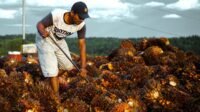
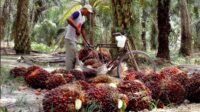
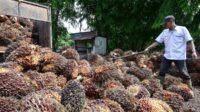
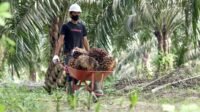
PALMOILMAGAZINE, SINGAPORE – Kencana Agri Limited (“Kencana” or “the Group”) reported solid operational performance for the financial year ending December 31, 2025 (FY2025), recording double-digit growth in both fresh fruit bunch (FFB) and crude palm oil (CPO) production compared with the previous year.
According to the company’s official statement received by Palmoilmagazine.com on Friday (March 6, 2026), the Group’s total planted area, including plasma plantations, remained stable at 67,885 hectares in FY2025, unchanged from FY2024.
FFB production rose 15.5%, increasing from 680,478 metric tons (MT) in FY2024 to 785,833 MT in FY2025. Meanwhile, CPO production grew 14.6%, climbing from 163,489 MT to 187,295 MT over the same period.
“Total FFB production increased by 15.5%, while CPO output rose 14.6% in FY2025, driven by improved yields across the Group’s estates, particularly in Sulawesi where productivity has continued to improve year by year,” the company stated in its report.
Management added that the stronger production performance was also supported by improved agronomic practices, operational efficiencies, and relatively favorable weather conditions in Indonesia throughout the year.
Monitoring Geopolitical Risks and Energy Market Volatility
Kencana Chairman Henry Maknawi said that Indonesia’s palm oil industry continues to operate in a challenging yet generally supportive market environment. Indonesia remains the world’s largest producer and exporter of CPO, with demand supported by the food sector and the country’s domestic biodiesel mandate.
“The Group will maintain a disciplined and adaptive approach in managing procurement, inventory, and overall risk exposure. While the operational outlook for 2026 remains broadly constructive, rising external uncertainties may create short-term market fluctuations,” Maknawi said.
ALso Read: CPO Prices Surge Past RM4,500 on Bursa Malaysia Amid Global Energy Market Rally
Management also noted that global geopolitical developments, including tensions in the Middle East and changes in major oil-producing regions, could trigger volatility in global energy markets.
Fluctuations in crude oil prices may affect the economics of biofuels, logistics costs, and overall commodity market sentiment, potentially influencing both CPO prices and demand dynamics.
Despite these uncertainties, Kencana remains confident in maintaining operational resilience in 2026 through disciplined risk management strategies, a focus on protecting margins, and efforts to maintain financial stability amid global market uncertainties. (P2)