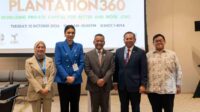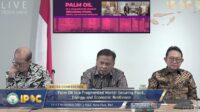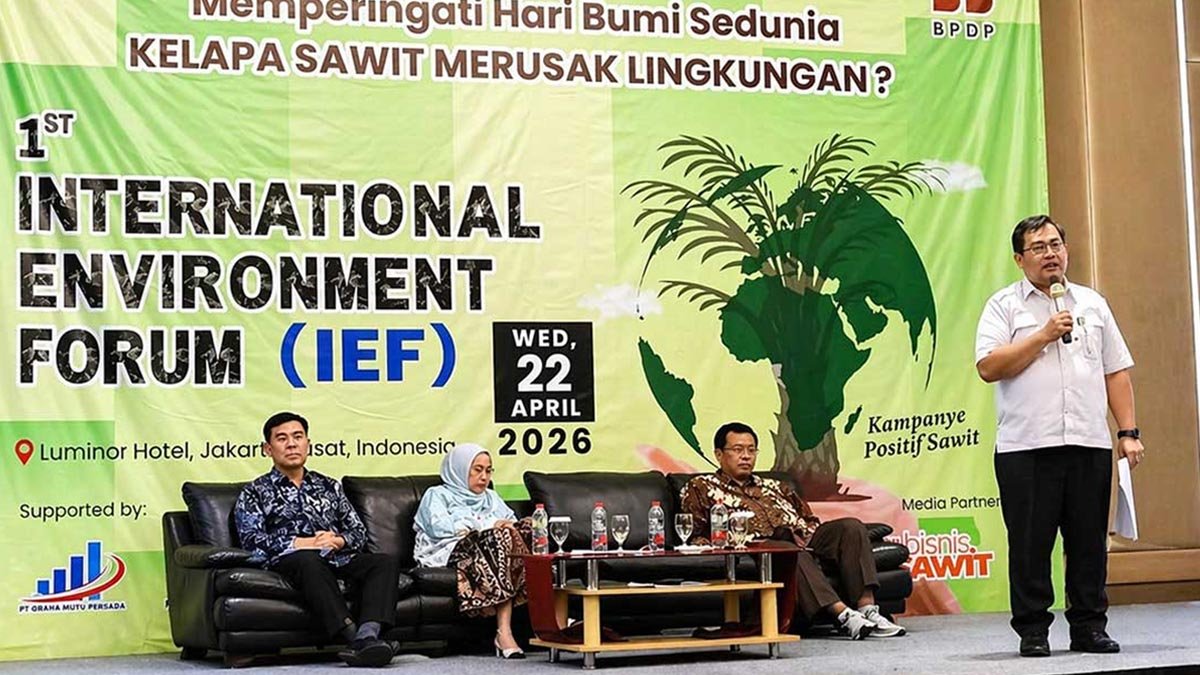
PALMOILMAGAZINE, JAKARTA – The Indonesian government is stepping up efforts to strengthen the palm oil sector by expanding plantation areas and accelerating downstream industrial development. The initiative was outlined by Kuntoro Boga Andri, Director of Plantation Product Downstreaming at the Directorate General of Estates under the Kementerian Pertanian Republik Indonesia.
Speaking at the 1st International Environment Forum (IEF) 2026 in Jakarta, he stated that, in line with presidential directives, Indonesia is targeting the development of 2.3 million hectares of new oil palm plantations as part of its long-term energy security strategy.
“This expansion will be carried out with careful consideration of socio-economic conditions and forest governance, ensuring compliance with existing regulations,” he said at an event attended by Palmoilmagazine.com on Wednesday, April 22, 2026, in Jakarta.
Also Read: Apical Strengthens SME Capacity in North Jakarta Through Practical Culinary Training
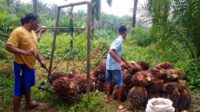
One of the key challenges facing the sector remains low productivity among smallholder farmers. Current yields average around 3.8 tons per hectare, significantly below private sector levels of 5.2 to 6 tons per hectare, as well as state-owned plantations, which are approaching similar figures.
“Improving smallholder productivity is a top priority and will be addressed through multiple strategic approaches,” he added.
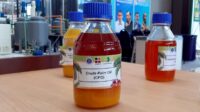
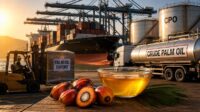
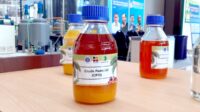
Beyond productivity, downstream development remains a critical issue. Indonesia’s palm oil exports are valued at approximately IDR 400–500 trillion annually, yet around 60–70% still consist of raw products such as crude palm oil (CPO).
Also Read: Indonesian CPO Prices Rise Slightly on Wednesday (April 22), Global Markets Continue to Strengthen
“At the same time, we continue to import derivative products like margarine, oleochemicals, and cosmetics. This indicates that domestic value-added remains suboptimal,” he explained.
He emphasized that accelerating downstream programs could significantly increase added value—potentially by tens or even hundreds of times compared to raw material exports.
The government is also working to improve governance within the sector, including the regularization of plantations located in forest-designated areas. Currently, around 4 million hectares of oil palm land are under review by the task force for forest area regulation to ensure legal compliance.
“This is a direct presidential mandate to ensure all plantations have clear legal status,” he noted.
Also Read: Malaysian CPO Extends Three-Day Rally on Strong Soybean Oil Prices
Kuntoro also acknowledged ongoing social challenges in the plantation sector, including land disputes and ownership claims. The Ministry of Agriculture continues to receive public complaints and facilitate conflict resolution efforts.
On the global front, demand for Indonesian palm oil remains strong, particularly from countries such as India and other key markets. The government is also actively engaging with international partners to address negative campaigns against palm oil.
“Many countries still rely heavily on our palm oil. This presents both an opportunity and a responsibility to maintain sustainability and a positive image,” he said.
He further highlighted the importance of sustainability standards such as the Indonesian Sustainable Palm Oil (ISPO) certification, which regulates environmental, social, and governance aspects of the industry. According to him, sustainability goes beyond certification and includes critical issues such as greenhouse gas emissions, biodiversity, and waste management.
Also Read: Jambi Palm Oil FFB Prices Slip to IDR 3,958/kg in Mid-April Period
“Moving forward, we must ensure that palm oil development is not only productive but also sustainable and beneficial for society,” he concluded.
With these measures, the government remains optimistic that Indonesia’s palm oil industry will become more competitive and resilient, while continuing to play a vital role in national energy security and economic growth. (P2)