PALMOILMAGAZINE, SINGAPORE — Wilmar International is reinforcing its Plantation & Sugar Milling segments by focusing on productivity gains and operational efficiency, as the company navigates commodity price volatility and weather-related challenges.
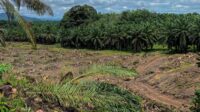
According to its latest annual report released on April 16, 2026, Wilmar recorded a total planted oil palm area of 234,334 hectares by the end of 2025. Through joint ventures, the company also manages approximately 58,000 hectares of plantations in Uganda and West Africa.
In addition, Wilmar oversees 36,597 hectares under smallholder schemes across Indonesia and Africa, alongside 189,806 hectares managed by associate companies in Africa. This expansion reflects the company’s strategy to strengthen its production base while fostering partnerships with local farmers.
Also Read: GAPKI Pushes for Palm Oil Industry Synergy Through the 6th Andalas Forum
To maintain long-term productivity, Wilmar has accelerated its replanting program in recent years, keeping the average tree age at around 14 years. Currently, about 47% of its plantations fall within the prime productive age of 7–18 years, while 20% are six years old or younger.
In the sugar segment, the company operates sugarcane and beet mills across Australia, India, Myanmar, and China. Wilmar is the largest raw sugar producer in Australia, contributing more than half of the country’s total output. Annually, it processes around 14 million metric tons of sugarcane, producing about 2 million metric tons of raw sugar, with roughly 80% exported to global markets.
Wilmar also holds a 62.5% stake in Shree Renuka Sugars Limited in India, which has a sugarcane crushing capacity of 9.2 million metric tons per year and ethanol production capacity of 1,250 kiloliters per day. In Myanmar, its sugar production capacity reaches 1.4 million metric tons, while in China the company processes sugar beet in Inner Mongolia.
Also Read: Andalas Forum VI: ISPO Gains Momentum, Indonesia Targets Global Market Trust
Financially, the Plantation & Sugar Milling segment posted a 32% increase in pre-tax profit to US$356.5 million in FY2025. The growth was largely driven by strong performance in the first half of the year, supported by elevated palm oil prices. However, softer palm oil and sugar prices in the second half weighed on overall performance.
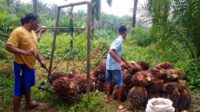
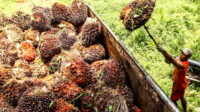
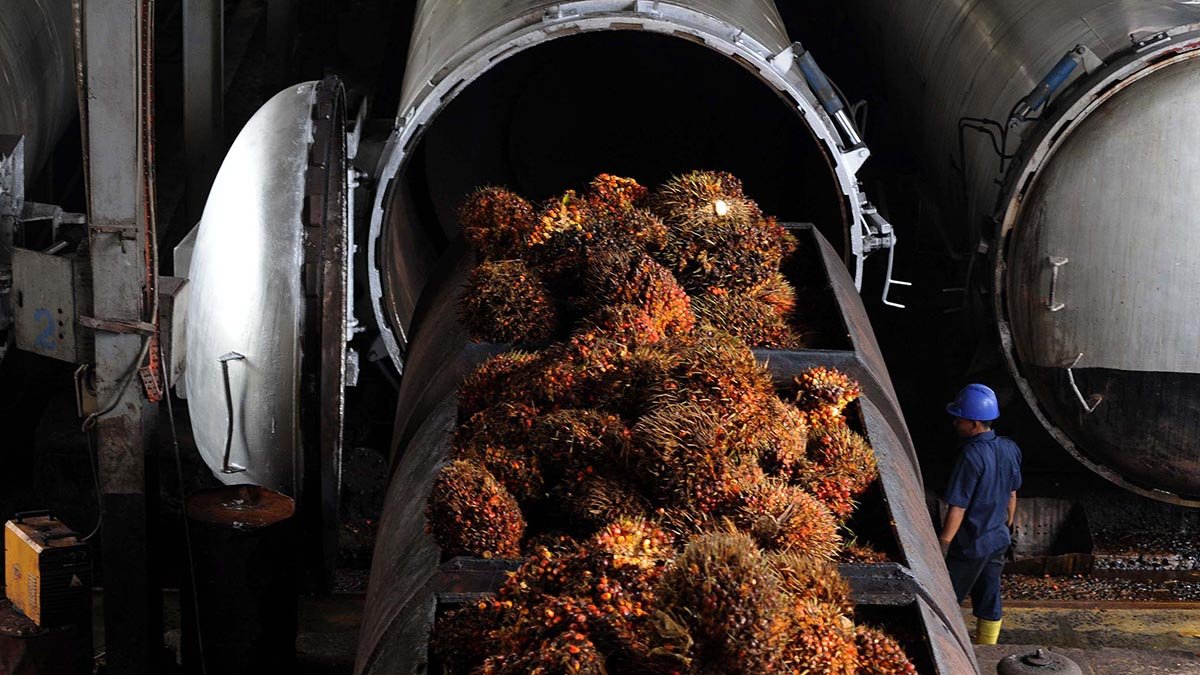
Fresh fruit bunch (FFB) production from oil palm plantations declined by 2% to 4.0 million metric tons, mainly due to unfavorable weather conditions in Indonesia. Meanwhile, in the sugar business, Wilmar has begun integrating big data and artificial intelligence (AI) through its subsidiary GeoWatch Labs, including satellite-based micro-farming systems to enhance crop monitoring.
Looking ahead to 2026, the company expects global palm oil production to remain relatively stagnant, influenced by aging trees and weather variability. Land expansion constraints tied to sustainability requirements are also likely to limit long-term production growth.
Also Read: KPBN CPO Remains Withdrawn on Friday (April 17), Bursa Malaysia Extend Losses on Weak Demand
Wilmar emphasized that it will prioritize improving productivity through operational and agronomic enhancements rather than expanding plantation areas. On the sugar side, production is projected to increase on the back of potentially stronger sugarcane harvests, although outcomes will still depend on weather conditions and global price movements.
Amid ongoing market uncertainty, the company highlighted the importance of strict cost management and operational efficiency to maintain competitiveness. Wilmar also reaffirmed its commitment to transparency by maintaining open communication with stakeholders, including investors and analysts, to sustain confidence in its long-term strategy. (P2)