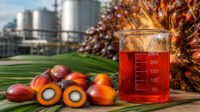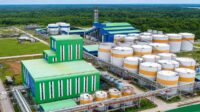
PALMOILMAGAZINE, JAKARTA – The Indonesian government is reinforcing the strategic role of the palm oil industry as a key driver of national downstream industrialization. As part of the groundbreaking ceremony for 13 Phase II National Downstream Projects worth Rp116 trillion, palm oil has secured a central position through the development of processing facilities in Sei Mangkei, North Sumatra. The project is designed to convert palm oil into oleofood and biodiesel, strengthening the industry’s value chain from upstream to downstream.
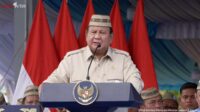
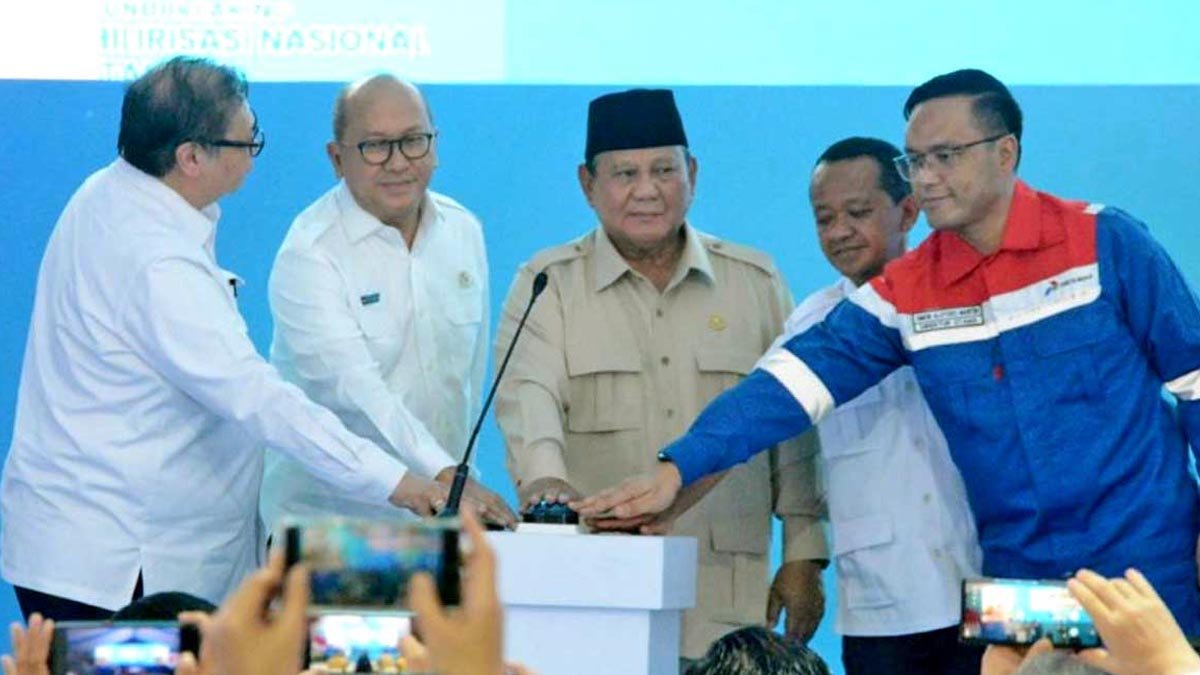
The inauguration was led by President Prabowo Subianto in Cilacap on Wednesday (April 29, 2026), marking a major step in Indonesia’s broader economic transformation agenda focused on domestic processing of natural resources. Among the cross-sector projects launched, palm oil downstreaming stands out as one of the most tangible efforts to elevate Indonesia’s leading commodity into a high value-added industry.
President Prabowo emphasized that downstreaming is no longer an optional policy, but a fundamental pillar for achieving stronger, more self-reliant, and sustainable economic growth.
Also Read: Indonesian CPO Rises to IDR 15,625/kg as Global Rally Gains Momentum
“Downstreaming is the only path for us to achieve greater prosperity,” he stated in an official release on May 4, 2026.
For the palm oil sector, this signals a clear policy direction: moving beyond crude palm oil (CPO) production toward the expansion of higher-value derivative products such as oleofood, bioenergy, oleochemicals, and raw materials for food and renewable energy industries.
The inclusion of the Sei Mangkei processing project in the National Strategic Projects list positions the area as a critical hub for Indonesia’s palm oil downstream development. The oleofood segment opens opportunities for diversification into processed food products, while biodiesel expansion strengthens palm oil’s role as a backbone of national energy security through fossil fuel substitution.
Also Read: Palm Oil as a Self-Sufficiency Model and Engine of Economic Growth
This initiative also underscores palm oil’s evolving role—not merely as a raw export commodity, but as a foundation for industrialization capable of generating employment, attracting downstream investment, and increasing state revenue through domestic processing.
To support this acceleration, the government has introduced the Daya Anagata Nusantara Investment Management Agency, or Danantara, as a new strategic instrument. Unlike conventional sovereign wealth funds that typically act as passive investment managers, Danantara is designed to function as an active catalyst for national industrialization aligned with the downstreaming agenda.
Danantara CEO and Minister of Investment and Downstreaming Rosan Roeslani described this approach as a significant leap in managing the nation’s wealth.
Also Read: Indonesia Raises May 2026 CPO Reference Price to USD 1,049.58/MT, Export Duty Set at USD 178
“This marks the beginning of Indonesia’s transformation into a nation that is not only rich in natural resources, but also sovereign in processing them, competitive in production, and prosperous in outcomes,” he said.
In the palm oil context, this strategy is expected to accelerate the development of downstream industries that have long been dominated by raw material exports. With stronger financial backing, the ecosystem can expand more aggressively into green energy, processed food, pharmaceuticals, cosmetics, and biomaterial-based products.
Among the 13 Phase II downstream projects, palm oil stands alongside other strategic sectors such as gas processing, DME, nickel, copper, steel, and integrated coconut industries—highlighting its continued role as a cornerstone of Indonesia’s economic transformation. (P2)