The research agency is exploring beneficial microbes and nanoencapsulated essential oils as alternatives to conventional chemical pesticides in managing plantation crop diseases.
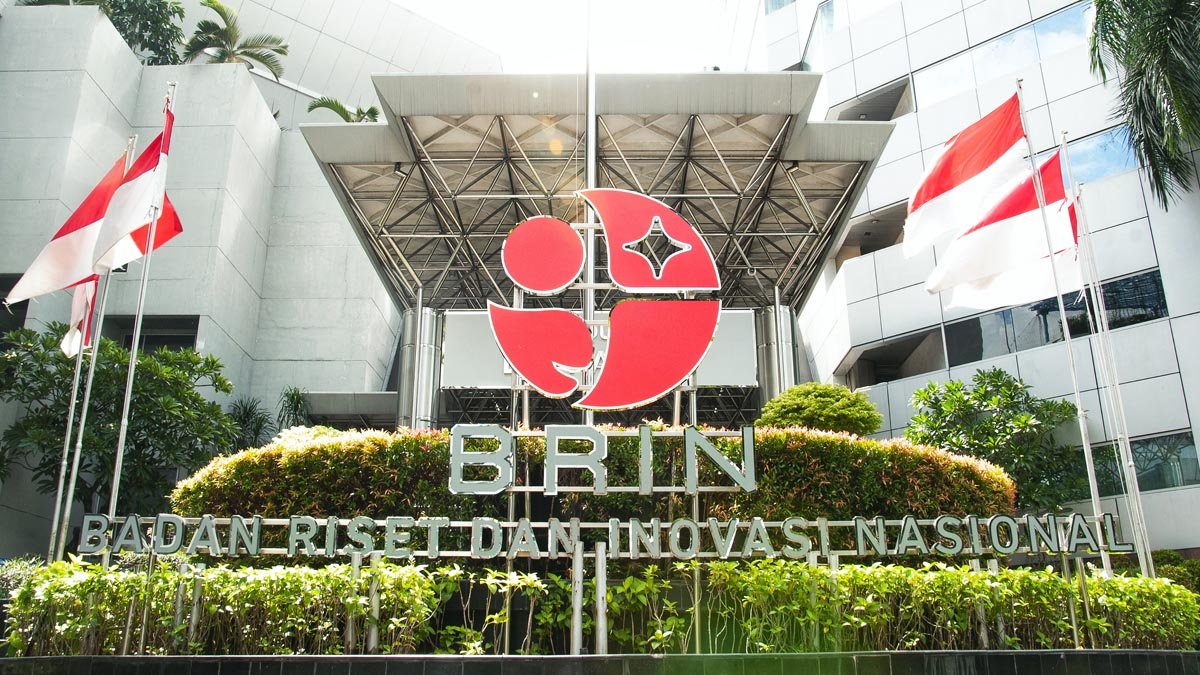
PALMOILMAGAZINE, JAKARTA — The National Research and Innovation Agency (BRIN) is advancing microbial and nanotechnology-based approaches to manage plant diseases more sustainably across plantation commodities, including oil palm, rubber, coffee, cocoa, tea, and sugarcane.
The shift is driven by growing demand for more sustainable cultivation practices, encouraging disease management strategies that reduce reliance on chemical pesticides while making greater use of biological control agents and precision delivery technologies.
Also Read: BRIN: Indonesia Has Potential to Become a Major Global Palm Oil Biogas Producer
The issue was highlighted during the EstCrops_Corner #30 webinar, themed “Innovative Microbial and Nanodelivery Approaches to Support Sustainable Estate Plant Diseases Management,” organized by BRIN’s Research Center for Plantation Crops under the Research Organization for Agriculture and Food (ORPP) on Friday (Aug. 14).
BRIN Research Center for Animal Husbandry Head Santoso said plant diseases remain a major challenge in managing plantation commodities. He said disease control strategies therefore need to move toward more integrated, preventive, precise, and environmentally friendly systems.
“Disease control needs to shift away from dependence on chemical pesticides toward integrated, preventive, precise, and environmentally friendly management,” Santoso said, according to an official statement released Thursday (Aug. 20, 2026).
Also Read: 4F and BRIN Research Highlights Links Between Forests, Soil, Oil Palm and Community Livelihoods
Several microorganisms, including Trichoderma, Bacillus, Pseudomonas, mycorrhizae, and endophytic microbes, have shown potential to suppress pathogens while supporting plant growth and improving plant resistance.
However, the wider application of microbial biocontrol agents still faces challenges in the field. Formulation stability, shelf life, and sensitivity to changing environmental conditions remain key issues that need to be addressed before these technologies can be adopted more broadly.
Also Read: BRIN Advances Pyrolysis Technology to Turn Oil Palm Empty Fruit Bunch Waste into Renewable Energy
Nanoencapsulation Targets More Effective Essential Oil Biopesticides
 One of the approaches being developed by BRIN involves nanoencapsulation technology to improve the stability and effectiveness of essential oil-based biopesticides.
Riki Warman, a junior expert researcher at BRIN’s Research Center for Plantation Crops, presented research combining citronella, clove, and eucalyptus essential oils to control anthracnose disease in chili plants caused by Colletotrichum fungi.
Essential oils have considerable potential as natural biopesticides. However, their direct application is limited by their volatile nature and susceptibility to degradation caused by ultraviolet radiation, high temperatures, and oxidation.
Also Read: UNJA Supports Independent Oil Palm Farmers in Muaro Jambi Through Replanting and FEROTRAP Training
Nanoencapsulation addresses these limitations by protecting the active compounds in a nanoscale matrix. The technology can also enable the active ingredients to be released gradually and in a controlled manner when applied to plants.
Laboratory and limited-scale tests showed that the nanoemulsion formulation had physical characteristics that supported formulation stability, with particle-size distribution in the nanometer range. The formulation also consistently inhibited anthracnose pathogen development through 14 days after application.
Although its effectiveness remained below that of synthetic fungicides, the findings point to opportunities for developing natural-material-based biopesticides using more precise delivery systems.
“Nanoencapsulation is a strategic step to overcome the physical limitations of essential oils, allowing their effectiveness to be maintained for longer and their potential as future biopesticides to be optimized,” Riki said.
Also Read: Agrinas Plans Palm Oil Plasma Pilot Project with Cooperatives in North Sumatra
Bacterial Screening Targets White Root Disease in Rubber
In addition to essential oil-based technology, BRIN is developing biological control agents by screening bacteria with multiple disease-control mechanisms.
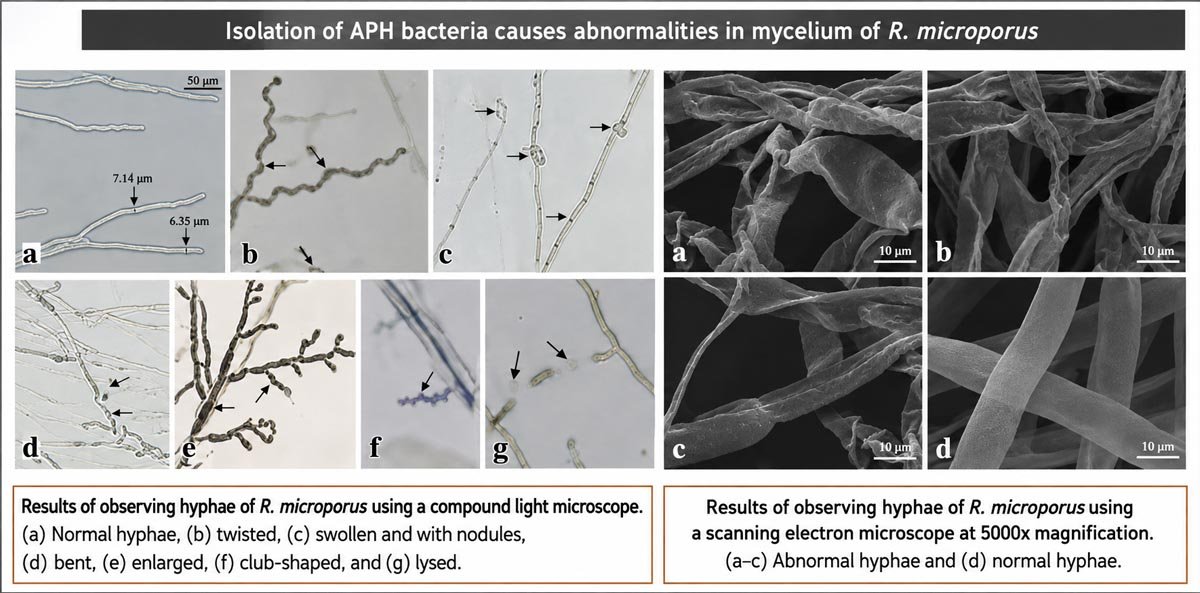
Widi Amaria, a junior expert researcher at BRIN’s Research Center for Plantation Crops, presented research on the selection of promising bacteria as biological control agents against white root disease in rubber trees caused by Rigidoporus microporus.
Also Read: KPBN Inacom CPO Prices Withdraw as Malaysian Palm Oil Futures Close Higher
The screening process was conducted in stages, taking into account both safety and the bacteria’s ability to employ multiple control mechanisms, including antibiosis, lysis, induction of plant resistance, and plant growth promotion.
Of the initial 95 isolates screened, 22 candidates met the safety criteria. Further screening reduced the number to 10 bacterial candidates considered promising for further development.
In in planta testing, the selected candidates demonstrated the ability to suppress disease development by up to 92.11%.
Also Read: Indonesia Struggles to Boost Palm Oil Yields Amid Genetic and Disease Risks
“Bacterial selection using a multi-mechanism approach can optimize the performance of biological control agents, not only by suppressing pathogens but also by promoting plant growth and resistance,” Widi said.
The development of microbial technologies and nanoencapsulation is part of BRIN’s broader effort to establish more sustainable plant disease management systems. For the plantation sector, these approaches could help reduce dependence on chemical inputs while providing more preventive and precise disease-control strategies.
The technologies could eventually support productivity and crop health across major plantation commodities, including oil palm and rubber, as the industry seeks more sustainable and environmentally responsible production systems. (P2)