PALMOILMAGAZINE, JAKARTA — The Indonesian government is accelerating downstream development in the plantation sector as a key strategy to strengthen national self-reliance, particularly in energy security and resource-based industries. The policy is seen as increasingly important amid global uncertainty, volatile energy prices, and continued dependence on imported fossil fuels.
Under this approach, the plantation sector is no longer viewed merely as a supplier of raw materials, but as a strategic pillar in the domestic renewable energy supply chain. The initiative aligns with President Prabowo Subianto’s broader economic agenda to promote industrial transformation through stronger downstream industries and reduced energy imports.
Minister of Agriculture Andi Amran Sulaiman said the development model for plantations must shift toward higher value-added processing.
Also Read: Strengthening Incentives Key to Advancing Smallholder Palm Oil Traceability in Indonesia
“Plantation products must move up the value chain. They should not stop at raw materials, but be processed into higher-value derivative products, including bioenergy. This is part of our effort to strengthen national energy independence and sovereignty, in line with the President’s direction,” Amran said in a statement on Friday (24/4/2026).
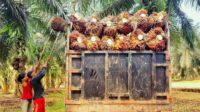
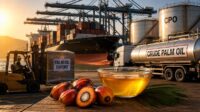
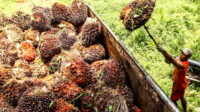
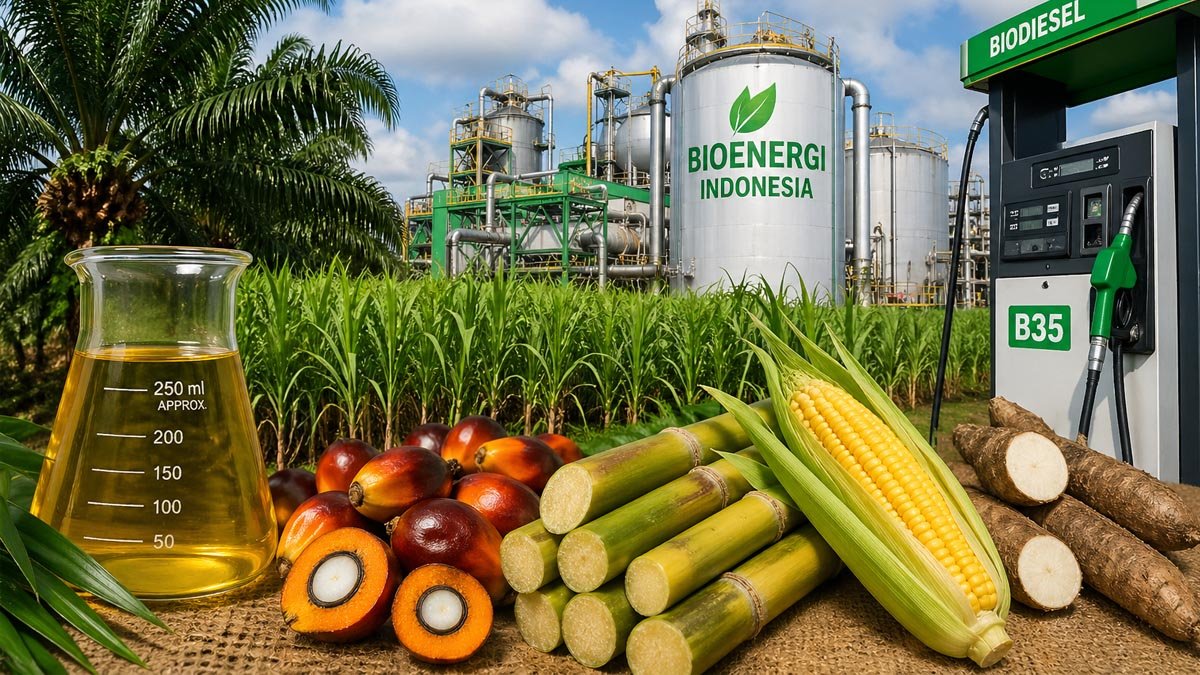
Several strategic commodities such as palm oil, sugarcane, corn, and cassava are now being positioned as the backbone of Indonesia’s biofuel expansion, including biodiesel and bioethanol. Utilizing domestic commodities is considered crucial to strengthening the national energy mix while reducing dependence on fossil fuels.
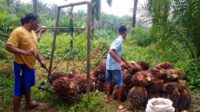
On the upstream side, the government continues to intensify efforts to improve output and productivity, including through the acceleration of the Smallholder Palm Oil Replanting Program (PSR), infrastructure support, and tighter supervision of licensing and sustainability certification such as ISPO.
Also Read: Andalas Forum VI: ISPO Gains Momentum, Indonesia Targets Global Market Trust
For sugarcane, the government is also pushing faster sugar self-sufficiency while meeting future bioethanol demand through ratoon replanting programs and expansion of planting areas by up to 200,000 hectares nationwide.
At the same time, improvements in plantation data systems and information management have become a priority to ensure more precise and sustainable planning for bioenergy feedstock supply.
Acting Director General of Plantations Ali Jamil said downstreaming would generate broad benefits for the national economy.
Also Read: Indonesia Moves Closer to B50 Rollout as Multi-Sector Trials Confirm Readiness
“Plantation downstreaming will create added value domestically, strengthen commodity-based industries, create jobs, and improve farmers’ welfare. This will be a key driver of Indonesia’s economic transformation,” Ali Jamil said, as quoted by Palmoilmagazine.com from the Agriculture Ministry website on Monday (27/4).
He added that future commodity development will no longer focus solely on food and conventional industrial demand, but also on becoming a promising source of renewable energy feedstock.
“Going forward, cross-sector synergy will continue to be strengthened, from upstream production and processing industries to energy policy. The goal is to ensure sustainable raw material supply and optimize the development of the national bioenergy industry, including palm oil-based biodiesel and sugarcane-based bioethanol,” he added.
Also Read: GAPKI and the Government Strengthen National Preparedness to Mitigate Forest Fire Risks
With stronger integration from production to processing and final utilization, plantation downstreaming is expected to become a strategic foundation for strengthening both national energy and food security, while driving more inclusive and sustainable economic growth. (P3)