
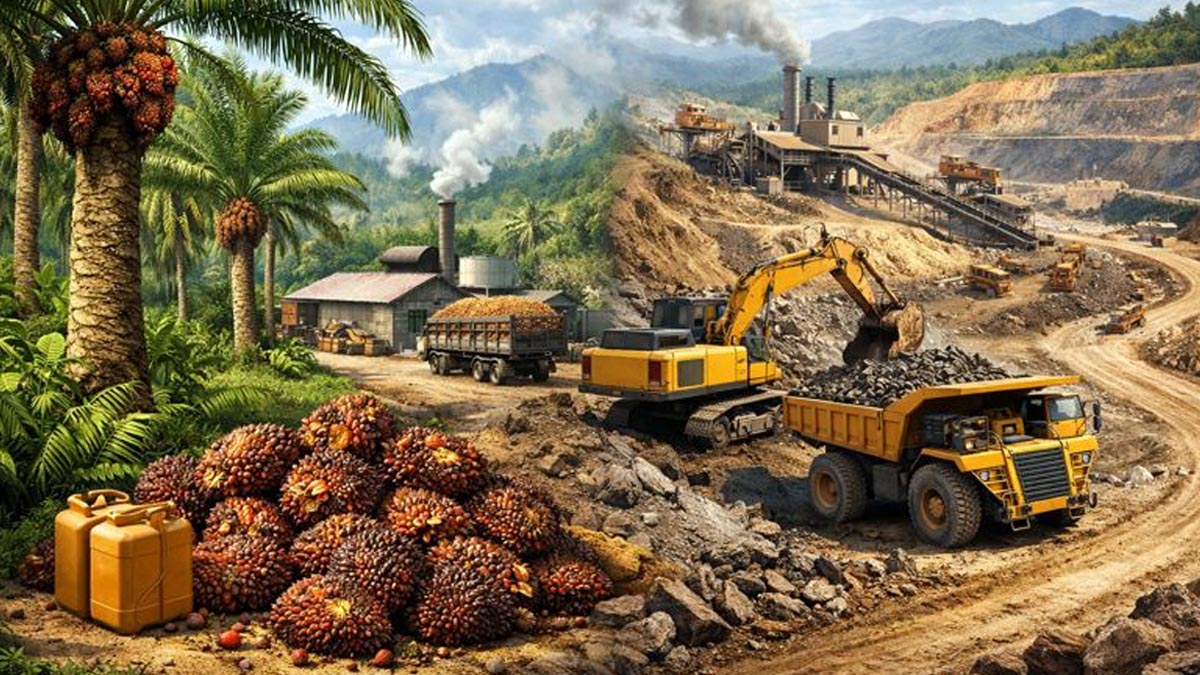
The Forest Area Enforcement Task Force says it has reclaimed more than 6.2 million hectares of forest area used for palm oil plantations and 14,633.79 hectares linked to mining since February 2025.
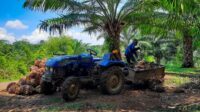
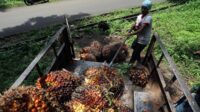
PALMOILMAGAZINE, JAKARTA — Indonesia’s Forest Area Enforcement Task Force (Satgas PKH) has reclaimed more than 6.2 million hectares of forest area previously used for palm oil plantations and illegal activities since the task force was established in February 2025, as the government intensifies efforts to restore state control over forest resources.
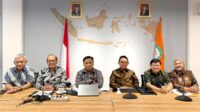
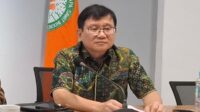
Attorney General ST Burhanuddin, who also serves as Deputy Chairman I of the Satgas PKH steering body, said the task force had reclaimed 6,206,212.14 hectares of forest area in the plantation sector as of early October 2026.
Also Read: Attorney General Returns IDR11.42 Trillion, Forest Task Force Accelerates Massive Asset Recovery
In the mining sector, a further 14,633.79 hectares of forest area had been reclaimed, he said.
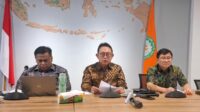
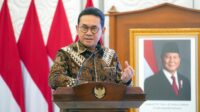
“Since its establishment in February 2025, we have successfully reclaimed 6,206,212.14 hectares of forest area,” Burhanuddin said at the Attorney General’s Office on Tuesday (Oct. 6, 2026).
The operation is part of the government’s broader effort to enforce regulations governing the use of forest areas and return land deemed to have been used in violation of the law to state control.
Also Read: Indonesia Palm Oil Consumption and Exports Rise, August Stocks Reach 2.214 Million Tons
259,000 Hectares Handed Back to Forestry Ministry
During the eighth phase of enforcement, Satgas PKH handed another 259,230.73 hectares of forest area to the Ministry of Forestry (Kemenhut).
Of this total, 140,762.04 hectares will be handed over to state-owned PT Agrinas Palma Nusantara (Persero) for management.
Another 118,256.74 hectares, consisting of conservation and protected forest areas, has been designated for reforestation.
The eighth phase also included an additional 211.95 hectares of forest area associated with mining activities that was transferred to the Ministry of Forestry.
The allocation indicates that reclaimed forest areas will not be managed under a single model. Areas designated for productive management may be assigned to designated state-owned entities, while conservation and protected forest areas will be prioritized for ecological restoration and reforestation.
Also Read: Indonesia to Deploy 70,000 Forest Rangers as Illegal Palm Oil Encroaches on Conservation Areas
Government Targets Illegal Forest Use
Burhanuddin said the enforcement campaign reflects the state’s constitutional responsibility to manage Indonesia’s natural resources for the benefit of the public, citing Article 33(3) of the 1945 Constitution.
He described the reclamation of forest areas as evidence of the government’s efforts to strengthen law enforcement, protect natural resources and ensure that state assets generate greater benefits for society.
Also Read: Agrinas Palma Nusantara Backs Stunting Reduction Program in Rokan Hulu
The enforcement drive also places palm oil plantations and mining operations located within forest areas under increased regulatory and legal scrutiny.
Satgas PKH is continuing to reclaim areas that the government determines should be returned to state control, as part of efforts to improve forest governance and address unauthorized use of forest land.
Satgas PKH Transfers IDR 13.2 Trillion to Finance Ministry
The eighth enforcement phase also generated IDR 13.2 trillion in state revenue, which was transferred to the Ministry of Finance.
The proceeds included approximately IDR 3.4 trillion in administrative forestry fines and IDR 1.5 trillion in Non-Tax State Revenue (PNBP) collected by the Attorney General’s Office from the handling of special criminal cases.
Also Read: IPOC 2026 to Strengthen Indonesia’s Palm Oil Strategy for Food, Energy and Economic Resilience
Tax revenue from taxpayers identified and followed up through Satgas PKH enforcement amounted to a further IDR 8.2 trillion.
The figures underscore that the government’s forest-area enforcement program is aimed not only at restoring state control over land, but also at recovering potential state revenue associated with activities found to have violated applicable regulations.
The government is positioning the Satgas PKH campaign as part of a broader effort to strengthen forest governance, curb unauthorized exploitation of forest areas and ensure that Indonesia’s natural resources deliver greater benefits to the state and the public. (P2)