A CELIOS study says Sulawesi’s environmental carrying and assimilative capacity reached a score of 4.5 out of 5, as mining, palm oil plantations, nickel processing and captive coal power expanded across the island.
PALMOILMAGAZINE, JAKARTA — Sulawesi has exceeded its environmental carrying and assimilative capacity, according to a study by the Center of Economic and Law Studies (CELIOS). In an official statement received by PalmOilMagazine on Friday (Sept. 25, 2026), CELIOS said the finding reflects mounting pressure from the expansion of mining, palm oil plantations, nickel smelters, captive coal-fired power plants and industrial estates.
The study, titled Beyond Limits: The Failure of Environmental Carrying and Assimilative Capacity (D3TLH) to Control the Expansion of Extractive Industries in Sulawesi, assesses developments between 2014 and 2024.
Also Read: The Agrarian Reform Law and Investment Prospects of Palm Oil
CELIOS gave Sulawesi an aggregate score of 4.5 out of 5 based on indicators covering air, water, land, social conditions and policy controls, placing the island in its “beyond limits” category.
The findings raise questions about whether environmental carrying-capacity assessments are being effectively incorporated into spatial planning and licensing decisions.
CELIOS legal researcher Muhamad Saleh said the issue was not only the increasing ecological pressure but also the limited effectiveness of regulations in translating D3TLH assessments into binding legal action.
Also Read: CPO Price Today (Sept. 29): KPBN Inacom Falls to IDR 15,050/Kg, Rotterdam Market Moves Mixed
Under the current framework, he said, an area being identified as environmentally overburdened does not automatically result in a halt to new permits, a review of existing licenses or mandatory environmental restoration.
574 New Mining Permits Issued
CELIOS recorded 574 new mining permits issued in Sulawesi during 2014-2024, with about 60% granted during the final two years of the study period, when ecological pressures had already intensified.
The study estimates that, on average, an area equivalent to one hectare of land in Sulawesi was transferred to mining concession holders every six minutes.
Also Read: Indonesian Smallholders Step Up Fire Patrols as Land Fires Spread
Even in areas classified as ecologically critical, CELIOS identified 277 new mining permits covering 440,998 hectares.
The organization argues that the figures point to a gap between environmental information and decisions on spatial planning and permits.
Mining and Palm Oil Linked to Most Deforestation
Forest-cover changes provide another indication of the pressure on Sulawesi’s ecosystems.
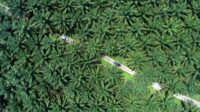
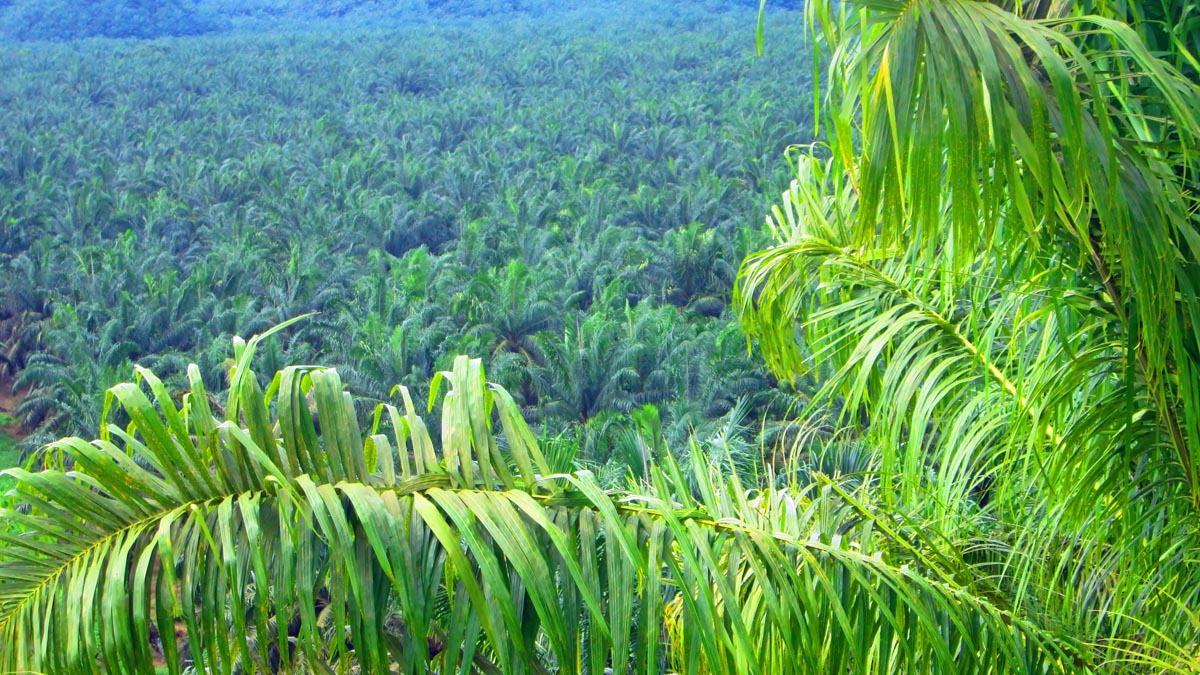
CELIOS estimates that mining and palm oil plantations accounted for about 82.2% of deforestation in Sulawesi between 2014 and 2023. The study says deforestation associated with the two sectors was roughly 18 times greater than that linked to shifting cultivation.
Also Read: Malaysia CPO Futures Drop RM35 to RM4,629, Hit Lowest Level in 8 Weeks
The finding challenges narratives that primarily attribute forest loss to traditional farming practices. In CELIOS’s assessment, industrial-scale mining and plantation expansion account for a substantially larger share of the reported deforestation.
Nickel Industry Adds to Environmental Pressure
CELIOS also highlights the rapid expansion of nickel processing in Sulawesi.
About 78% of the island’s nickel smelters are concentrated in Central Sulawesi and Southeast Sulawesi, according to the study. The two provinces also account for 93.9% of Sulawesi’s 9,825 megawatts of captive coal-fired power capacity.
Also Read: Malaysia Targets India Palm Oil Market as Exports Surge 40.4% in 2026
Unlike plants serving the public electricity grid, captive coal-fired power plants primarily supply industrial estates and processing facilities.
CELIOS says the expansion of nickel processing has added to the environmental burden surrounding industrial areas, while communities near those operations face the associated pollution and health risks.
The study also identifies 269 locations where seven endemic species have been observed within or close to mining concessions and nickel industrial areas.
Also Read: New Palm Oil Mill Breaks Ground in Bangka, Investment Expected to Create Jobs
Health and Agrarian Conflicts
The report links industrial concentration with differences in several health indicators.
According to CELIOS, industrial centers recorded an average of 5,353 cases of acute respiratory infections and pneumonia annually, compared with 2,634 cases in non-industrial areas.
Also Read: Indonesia’s Agrarian Reform Bill Draws Palm Oil Land Conflict, Worker Concerns
The study also reports an average of 47.5 dengue cases per year in industrial districts, compared with 15.5 cases in non-extractive areas.
On the social side, CELIOS recorded 95 agrarian conflicts involving 90,582 people and 59 communities. Of those conflicts, 51 were described as unresolved, while 46 involved what the study classified as repressive actions, including 93 arrests, four injuries and one death.
CELIOS estimates that cumulative ecological losses associated with extractive-industry expansion in Sulawesi have exceeded IDR 100 trillion. Its calculation includes losses involving primary forest functions, coastal and coral-reef ecosystems, and clean-water resources affected by sedimentation.
Also Read: Palm Oil Partnerships Need Sociology, Anthropology to Prevent Land Conflicts: USU
CELIOS Calls for Stronger D3TLH Rules
Based on the findings, CELIOS is calling for stronger implementation of D3TLH regulations.
The organization recommends that areas classified as having exceeded their environmental limits face clearer legal consequences, including restrictions on new permits, reviews of existing licenses and restoration requirements for affected areas.
Also Read: Crackdowns Risk Escalating Conflict, POPSI Urges Structured Forest Zoning Reform
CELIOS also calls for greater public access to environmental and licensing data.
The study’s findings put Sulawesi’s rapid industrial expansion at the center of a broader debate over how Indonesia balances mineral development, plantation investment and industrial growth with environmental carrying capacity. (P2)