


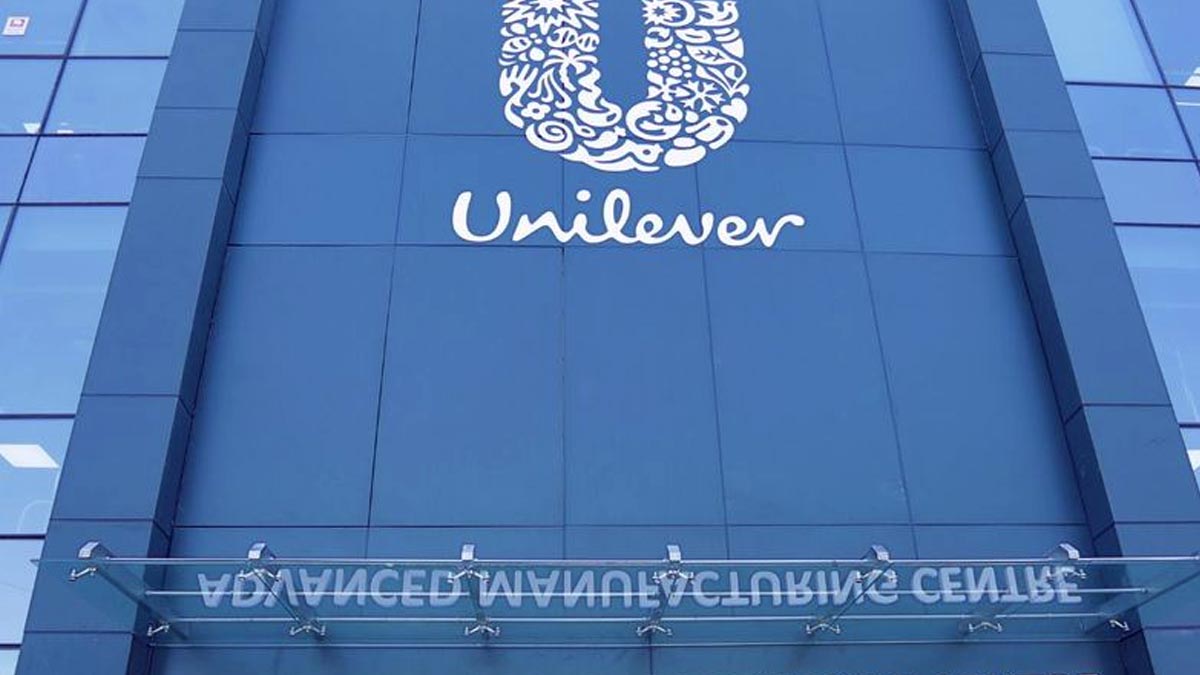
India is emerging as one of Unilever’s biggest growth engines in emerging markets, driven by rising incomes, urbanization, demographic shifts and expanding FMCG consumption.
PALMOILMAGAZINE, MUMBAI — India is emerging as one of the biggest growth engines for Unilever’s emerging-market business over the next five years, as its vast population, rising incomes and changing consumption patterns create significant room for expansion.
Unilever Chief Executive Officer Fernando Fernandez described India as a “blueprint” for the company’s growth strategy in emerging markets, saying the company has developed a detailed understanding of Indian consumers down to the local level.
Also Read:Unilever Turns Palm Oil Waste into Clean Energy, Driving Sustainable Downstream Development
“Many companies are just discovering where India is on the map. We know the map of every postcode in India,” Fernandez said, according to India Times, as quoted by PalmOilMagazine on Sunday (Sept. 13, 2026).
Fernandez said India offers some of the strongest potential for exponential growth in the fast-moving consumer goods (FMCG) sector over the next five years. The country is also Unilever’s largest emerging-market business.
Emerging markets collectively account for about 62% of Unilever’s revenue. Fernandez said their long-term consumption outlook remains stronger than that of developed economies, supported by population growth, urbanization, rising prosperity and greater participation of women in the workforce.
Also Read: PTPN IV PalmCo Supplies Palm Kernel Oil to Unilever Through Long-Term Partnership
India and U.S. Top Acquisition Priorities
The growth opportunity has placed India and the United States at the center of Unilever’s annual acquisition spending, with the company allocating between US$1.5 billion and US$2 billion for acquisitions in the two markets.
The strategy goes beyond gaining market share. Unilever aims to build premium brands in both countries that can eventually be scaled globally.
Also Read: Pertamina Pursues Dual-Growth Strategy, Keeps Oil and Gas as Energy Foundation
In India, premiumization can begin with relatively small shifts in consumer behavior. Fernandez cited the hair-care category, where consumers may move from a one-rupee sachet to a two-rupee product.
He said about 5% of India’s population, or roughly 75 million people, has per-capita income comparable to France. This segment represents a significant opportunity for the beauty and personal-care market.
Fernandez also sees opportunities to introduce Unilever brands established in the United States to India when market conditions are favorable.
Also Read: KPBN Inacom CPO Price Rises on Friday (Sept. 11) to IDR 15,708/kg
Consumer Shifts Reshape India’s FMCG Market
Hindustan Unilever Managing Director Priya Nair said India’s consumer market is undergoing five structural changes: the growing Gen Z population, rising female workforce participation, accelerating digitalization, improvements in road infrastructure, and increasing electrification and access to piped water.
The country’s FMCG market still has substantial room to grow, with per-capita FMCG consumption estimated at only about US$63.
Also Read: Assessing the merit of the Strategic Commodities Bill
Around 70% of India’s population lives in rural areas and tier-four locations, while about 20% live in smaller cities and 10% in larger urban centers.
Nair said smaller cities are growing at roughly twice the rate of India’s average urban market.
India is also home to about 377 million Gen Z consumers. Meanwhile, female labor-force participation has increased from around 25% to 40%, contributing to broader changes in household spending and consumption patterns.
Also Read: GAPKI Warns Unregulated Palm Oil Mills Threaten Indonesia’s Supply Chain
HUL research indicates that when a village becomes connected to a major city, the company’s business growth can increase by around 30%.
Digitalization and Quick Commerce Open New Channels
HUL is also applying its granular understanding of local consumers to its marketing strategy. The company now works with about 30,000 creators across India.
Artificial intelligence (AI) is being used to increase content production while improving media effectiveness.
Also Read: Riau Plasma FFB Price Rises IDR 62.55/kg, Nine-Year Palms Reach IDR 3,994.10
Nair said the company is also working to make its brand communications younger and more relevant to today’s consumers.
A similar transformation is taking place in distribution. General trade remains the dominant channel, but specialty stores, modern trade and quick commerce are creating additional routes to consumers.
Quick commerce, in particular, is generating better margins than both modern trade and general trade, according to Nair.
Also Read: South Sumatra FFB Price Hits IDR 3,823.99/kg in September 2026
The growth opportunity, however, comes with cost pressures. Inflation remains a challenge, particularly when crude oil prices reach US$100 per barrel and input costs rise.
Nair said HUL has previously navigated both inflationary and deflationary cycles. The company relies on cost-saving programs and a multi-price-point portfolio to respond to changes in consumer behavior, including shifts toward cheaper products or upgrades into premium segments.
With rising consumption, demographic changes, digitalization and expanding distribution networks reinforcing one another, India is becoming more than just a major market for Unilever. It is increasingly serving as a testing ground for strategies that could eventually provide a growth model for other emerging markets. (P2)