Indonesia’s state energy company is strengthening its oil and gas business while expanding geothermal, solar, biofuels and low-carbon technologies as it prepares for a gradual energy transition.
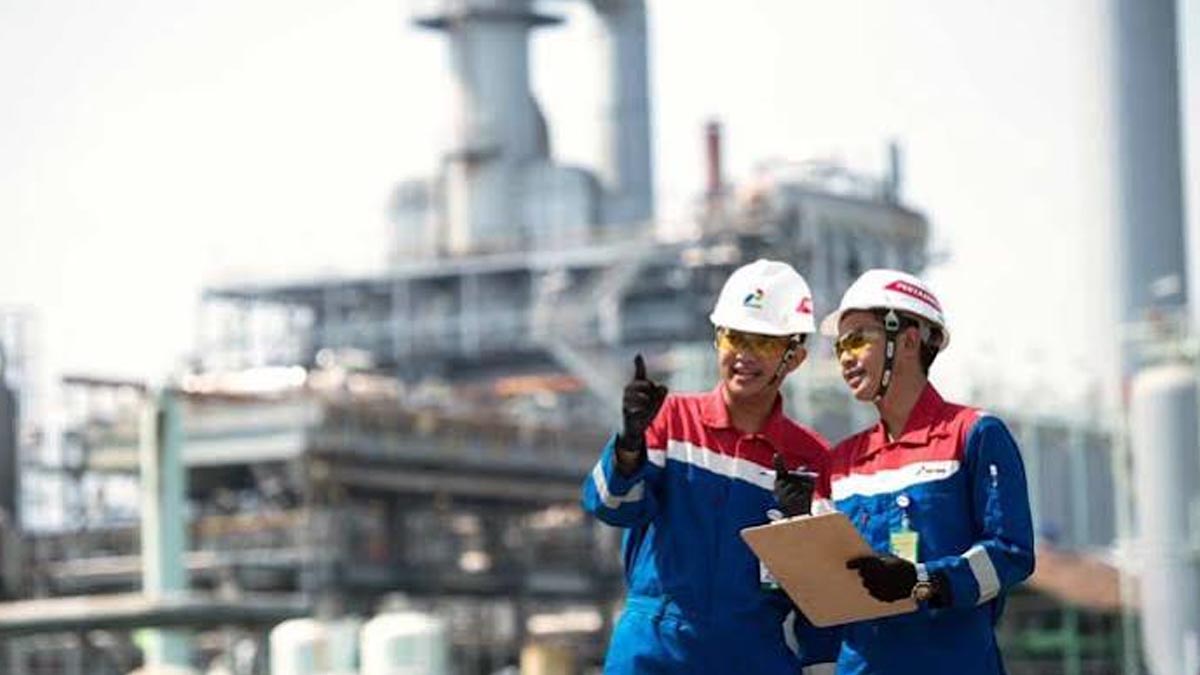
PALMOILMAGAZINE, JAKARTA — PT Pertamina (Persero) is pursuing a dual-growth strategy to navigate the global energy transition, maintaining oil and gas as a core business while accelerating the development of renewable energy and low-carbon technologies.
The strategy comes as geopolitical uncertainty raises risks to global energy supply chains and commodity prices. Pertamina sees energy security as extending beyond meeting current demand, requiring Indonesia to develop more diversified and sustainable domestic energy sources for the long term.
According to a company statement issued Friday (September 11, 2026), Pertamina’s dual-growth strategy is built around two parallel tracks.
The first focuses on maximizing its existing or legacy businesses, particularly oil and gas, to support current energy demand and strengthen domestic supply.
The second is aimed at building new sources of growth through renewable energy and low-carbon technologies as Indonesia advances its energy transition.
Also Read: Used Cooking Oil Transformed into Clean Energy, Pertamina Invites Public to Join SAF Ecosystem
Muhammad Baron, Vice President of Corporate Communication at Pertamina, said the energy transition should not be viewed solely through the lens of emissions reduction.
“For Pertamina, the energy transition is not only about reducing emissions, but also ensuring that Indonesia has increasingly diverse and sustainable energy sources based on domestic potential,” Baron said.
Oil and Gas Remain Key to Energy Security
Under the first track, Pertamina continues to regard oil and gas as a key pillar of Indonesia’s energy security.
Strengthening domestic oil and gas production remains part of the company’s efforts to secure energy supplies. In the refining sector, Pertamina is also seeking to optimize refinery assets to maintain processing capacity and energy availability amid changing demand patterns and market conditions.
Also Read: Closing the Biomethane Loop: Why POME Must Become Part of Indonesia’s Energy Strategy
Maintaining the oil and gas business, however, does not mean delaying the transition to lower-carbon energy.
Instead, Pertamina is developing new energy businesses alongside its existing operations. The approach positions oil and gas as a foundation for meeting current energy needs while renewable energy and low-carbon businesses are developed as longer-term sources of growth.
Geothermal Leads Pertamina’s Renewable Energy Portfolio
Pertamina’s renewable energy development spans several areas, including geothermal, solar power and biofuels. The company is also investing in low-carbon technologies such as carbon capture, utilization and storage (CCUS) and low-carbon hydrogen.
Geothermal energy is one of Pertamina’s key renewable assets.
Also Read: KPBN Inacom CPO Price Rises on Friday (Sept. 11) to IDR 15,708/kg
Through Pertamina Geothermal Energy (PGE), the company manages 1,932 megawatts (MW) of installed geothermal capacity. Of that total, 727 MW is directly operated by the company, while another 1,205 MW is managed through Joint Operation Contract arrangements.
The combined capacity represents about 70% of Indonesia’s total installed geothermal capacity, according to the company.
Pertamina views geothermal development as part of its broader effort to diversify Indonesia’s energy mix by utilizing domestic resources.
Also Read: Assessing the merit of the Strategic Commodities Bill
Economist Backs Gradual Energy Transition
The dual-growth strategy has received support from economist Mohammad Faisal, Executive Director of the Center of Reform on Economics (CORE) Indonesia.
Faisal said oil and gas would continue to play an important role in meeting domestic energy demand. However, because fossil fuels are non-renewable resources with finite reserves, Pertamina needs to develop alternative sources of growth and energy.
Also Read: GAPKI Warns Unregulated Palm Oil Mills Threaten Indonesia’s Supply Chain
Renewable energy, he said, will be increasingly important for maintaining business sustainability while strengthening Indonesia’s long-term energy security.
“[Indonesia] must look for other sources beyond oil and gas in the energy sector to strengthen energy security and meet rising domestic demand, in line with efforts to achieve higher economic growth,” Faisal said.
Faisal nevertheless said the shift from oil and gas to renewable energy should be gradual. Oil and gas can continue to provide a stable foundation while Pertamina builds the infrastructure and ecosystem needed for new energy businesses.
Also Read: The Missing Link in Indonesia’s Palm Oil Traceability
The approach can be viewed as a “safe transition,” in which the existing oil and gas business continues to support the company while renewable energy development is accelerated.
Indonesia’s Renewable Energy Mix at 17.3%
The scale of Indonesia’s energy transition challenge is reflected in the country’s renewable energy mix.
The Ministry of Energy and Mineral Resources (ESDM) recorded Indonesia’s renewable energy share at 17.3% in the first half of 2026. The figure remains below the government’s target of reaching 30% by 2034.
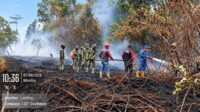
Also Read: Forest Fire Near PT Jalin Vaneo Plantation Prompts Manggala Agni Response in Kayong Utara
Deputy Energy and Mineral Resources Minister Yuliot Tanjung said renewable energy development is a government priority as Indonesia seeks to strengthen energy self-sufficiency.
Global geopolitical uncertainty can disrupt energy supply chains and affect energy prices, inflation, production costs and the government’s subsidy and compensation burden, he said.
Against that backdrop, Pertamina’s dual-growth strategy is not only a corporate response to changing market conditions but also aligns with Indonesia’s broader effort to strengthen energy security while diversifying its energy sources.
Pertamina expects the strategy to help meet the country’s immediate energy needs while building the foundation for its future energy system and supporting Indonesia’s target of achieving Net Zero Emissions by 2060.
The company has also reiterated its commitment to supporting the 2060 net-zero target and contributing to the Sustainable Development Goals (SDGs), while integrating Environmental, Social and Governance (ESG) principles across its businesses and operations. (P2)