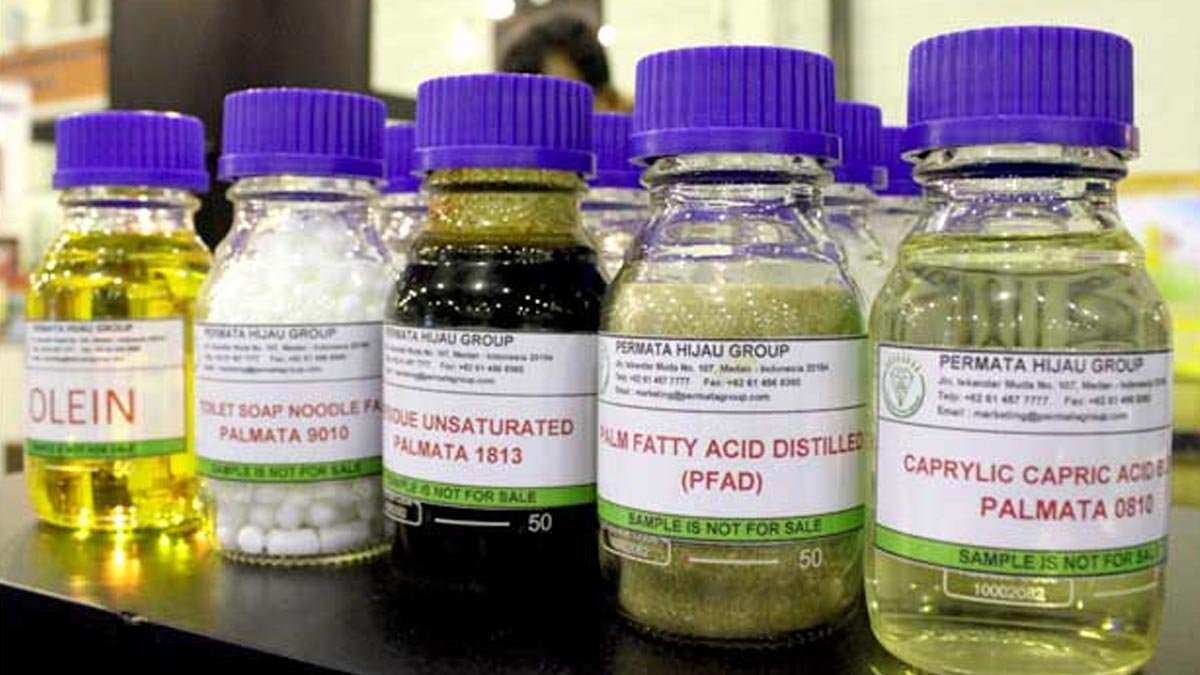
Indonesia’s non-oil and gas exports reached US$25.43 billion in July 2026, with animal and vegetable fats and oils generating the largest trade surplus among major commodity groups during January–July.
PALMOILMAGAZINE, JAKARTA, INDONESIA — Indonesia’s export performance continued to expand in July 2026, with non-oil and gas shipments remaining the main support for the country’s trade balance.
Non-oil and gas exports reached US$25.43 billion in July, up 4.25% from June and 6.84% from the same month last year.
Also Read: Indonesia’s Palm Oil Exports Rise 7.32% in H1 2026, Supporting Trade Growth
Total Indonesian exports stood at US$26.22 billion in July, rising 2.98% month-on-month and 6.05% year-on-year, according to the Ministry of Trade.
The stronger export performance helped Indonesia record a US$120 million trade surplus in July. The non-oil and gas sector generated a surplus of US$3.10 billion, offsetting a US$2.98 billion deficit in oil and gas trade.
Trade Minister Budi Santoso said the figures showed that Indonesia’s trade performance remained resilient amid continued global economic uncertainty.
Also Read: Beyond the Market
“The July 2026 trade surplus shows that Indonesia’s export performance remains resilient. Market and export commodity diversification must continue to be strengthened to increase the contribution of non-oil and gas trade,” Budi said in an official statement cited by PalmOilMagazine on Friday (September 4, 2026).
Vegetable Oils Generate Largest Surplus
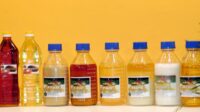
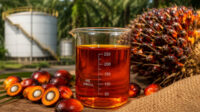
Among commodity groups, animal and vegetable fats and oils (HS 15) remained a major contributor to Indonesia’s non-oil and gas trade surplus.
During January–July 2026, the commodity group generated a trade surplus of US$20.96 billion, the largest among the major commodity groups.
Also Read: East Kalimantan FFB Price Rises to IDR 3,604.66 per Kg in August 2026
It was followed by mineral fuels (HS 27), which generated a surplus of US$16.39 billion, and iron and steel (HS 72), with a surplus of US$10.32 billion.
Combined, the three commodity groups contributed US$7.90 billion to Indonesia’s non-oil and gas trade surplus in July.
However, vegetable and animal fats and oils exports declined 6.21% month-on-month in July. The decline contrasted with strong monthly growth in several other commodity groups, including machinery and mechanical appliances, which rose 23.05%; copper and articles thereof, up 21.20%; and non-knitted apparel and clothing accessories, up 20.65%.
Also Read: East Kutai Accelerates Palm Oil Replanting, 1,900 Hectares Target ISPO Certification
January–July Exports Reach US$167.03 Billion
Indonesia’s cumulative export performance remained positive during the first seven months of 2026.
Total exports reached US$167.03 billion in January–July, up 4.43% from the same period last year. Non-oil and gas exports increased 5.21% to US$160.01 billion.
Also Read: Indonesia Pushes Value Addition and Sustainability in Cocoa, Palm Oil Exports
The Ministry of Trade said the manufacturing sector continued to be the main driver of Indonesia’s exports. Manufacturing exports grew 7.16% year-on-year during January–July and accounted for 82.18% of total exports.
Mining and other sectors contributed 11.73%, oil and gas 4.20%, while agriculture accounted for 1.89%.
Budi said the strong contribution from manufacturing underscored the importance of increasing domestic value-added production to strengthen Indonesia’s export competitiveness.
Also Read: Indonesia’s Palm Oil Exports Jump 64% in June 2026 to US$3.92 Billion
“Manufacturing is one of the main strengths of Indonesia’s exports. Increasing value added through downstream processing and improving the competitiveness of export products must continue so that more Indonesian products can penetrate global markets,” he said.
China Remains Top Export Market
China remained Indonesia’s largest destination for non-oil and gas exports during January–July 2026, followed by the United States and India.
Indonesia also recorded strong non-oil and gas export growth to several markets, including Hong Kong, up 36.79%; Türkiye, up 30.58%; and Thailand, up 21.92%.
Also Read: KPBN Inacom CPO Price Falls Friday, September 4, to IDR 16,025, CIF Rotterdam Drops to US$1,585
The government said strengthening export competitiveness, increasing domestic value added and diversifying export markets would remain key priorities for maintaining Indonesia’s trade growth momentum.
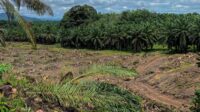
For the palm oil industry, the continued strong contribution of HS 15 highlights the strategic role of vegetable oils in Indonesia’s trade balance, despite the group recording a monthly export decline in July. (P2)