PALMOILMAGAZINE, JAKARTA — The growing number of palm oil mills operating without their own plantations is emerging as a new challenge for Indonesia’s palm oil industry, raising concerns over supply chain transparency and long-term sustainability.
As international markets increasingly demand stricter traceability and sustainability standards, industry observers warn that non-integrated processing facilities could disrupt established trading systems and undermine the stability of the sector’s supply chain.
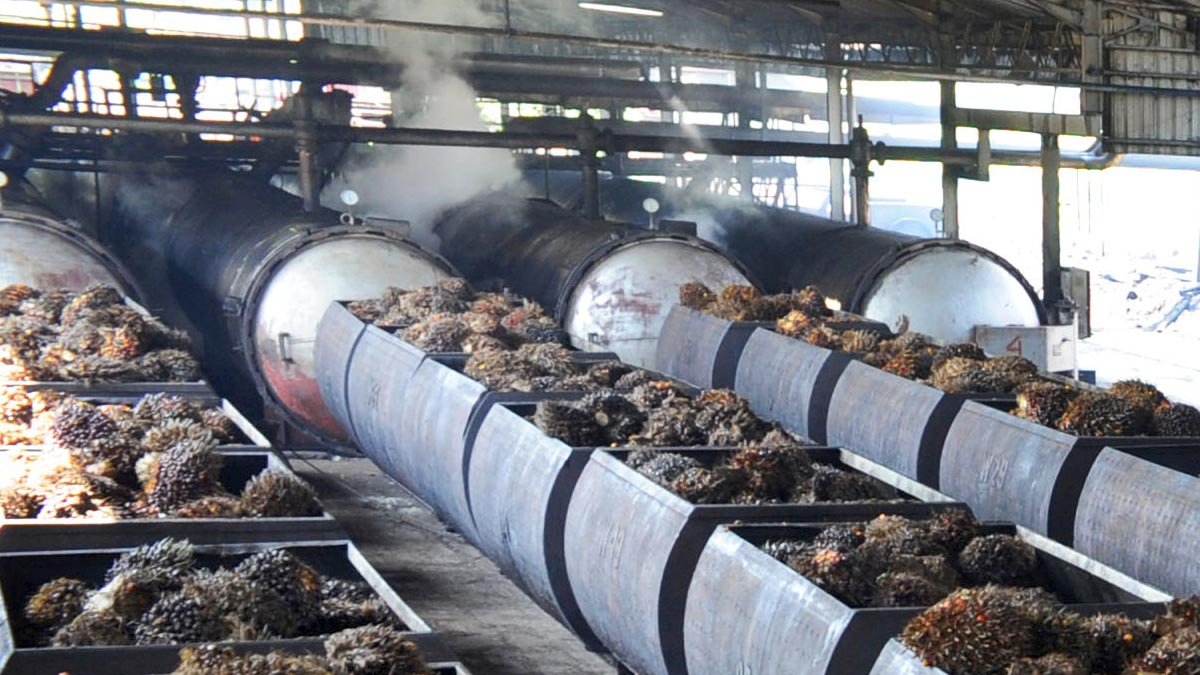
According to Dr. Veritia, a palm oil economics and management researcher at Pamulang University and Editor-in-Chief of Kabar SDGs, Indonesia’s palm oil industry has evolved into an interconnected ecosystem spanning upstream and downstream segments. The network includes plantation companies, plasma smallholders, independent farmers, fresh fruit bunch (FFB) suppliers, palm oil mills, refineries, and exporters serving global markets.
He noted that more than 1,200 palm oil mills and dozens of refineries have long formed the backbone of Indonesia’s palm oil industry. However, the rapid emergence of mills without plantation assets has introduced new competition for raw materials at the field level.
This competition, he argued, may not only affect long-standing partnerships between plantations and processing facilities but could also disrupt long-term supply agreements that have supported industry stability.
Another growing concern in several palm-producing regions is the increasing trade of loose fruits separately from fresh fruit bunches. Traditionally considered an inseparable component of harvested fruit, loose fruits are increasingly being treated as an independent commodity within the supply chain.
Also Read: Jambi FFB Prices Hold Steady for June 26–July 2, 2026 Pricing Period
According to Dr. Veritia, this development could contribute to various social issues, including rising crop losses and increasingly organized theft of oil palm fruit.
The changing pattern of raw material supply may also affect the operational performance of conventional mills. Many processing facilities are reportedly receiving FFB deliveries with lower loose-fruit content, resulting in reduced oil extraction rates (OER).
Lower extraction efficiency can ultimately put pressure on processing performance and reduce mill productivity.
Also Read: North Sumatra FFB Prices Fall for June 24–30 Period as Benchmark CPO Price Drops to IDR 15,230/kg
“This issue goes beyond business competition. It concerns the sustainability of Indonesia’s palm oil ecosystem, which has been built through partnerships and a relatively structured trading system,” Dr. Veritia wrote.
At the same time, global markets are moving toward increasingly transparent supply chains. Sustainability frameworks and regulations such as the Indonesian Sustainable Palm Oil (ISPO) standard, the Roundtable on Sustainable Palm Oil (RSPO), and the European Union Deforestation Regulation (EUDR) require traceability of raw materials down to the plantation level.
As a result, industry stakeholders believe stronger oversight and improved market governance are necessary to ensure that all participants operate under the same standards and regulatory framework.
Also Read: IESR Cautions Against Fiscal Risks as Indonesia Prepares for B50 Rollout
Such measures, they argue, are essential to maintaining the credibility and competitiveness of Indonesian palm oil in international markets that are placing greater emphasis on sustainability, transparency, and traceability. (P2)