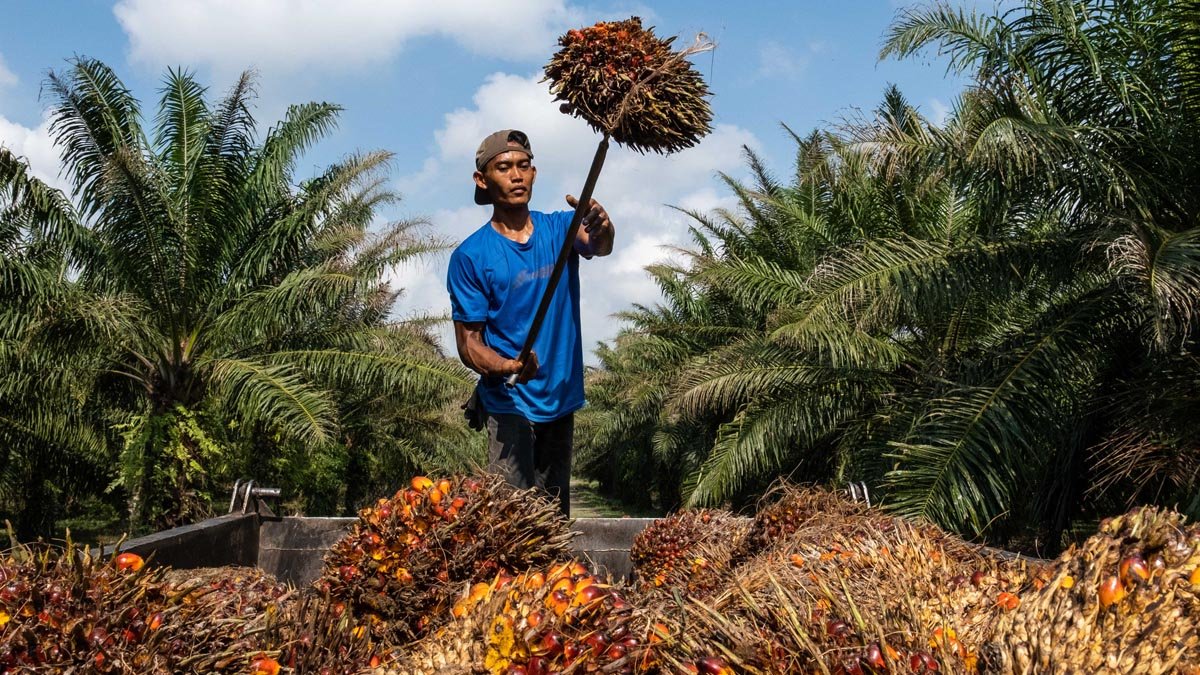
PALMOILMAGAZINE, JAKARTA – PT Agrinas Palma Nusantara is positioning sustainability at the center of Indonesia’s future palm oil expansion, with a strategy that combines higher production, environmental restoration, and more inclusive partnerships for smallholder farmers.
President Director of PT Agrinas Palma Nusantara, Mohammad Abdul Ghani, said Indonesia still holds significant untapped potential to increase palm oil production if plantations are managed more efficiently under sound governance principles. According to him, legally cultivated and productive plantation areas could become a major source of future output growth.
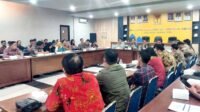
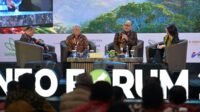
“If managed properly, the opportunity to achieve much higher national production is very real. But growth must not come at the expense of the environment. We need to build a palm oil plantation model that moves in harmony with conservation,” Ghani said during a keynote address at a closed discussion forum at Menara Agrinas Palma in Jakarta on Monday (27/4/2026).
Also Read: 2.3 Million Hectares of Palm Oil: A Grand Ambition, an Old Homework Still Unfinished
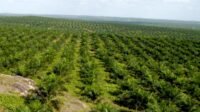
He explained that one of the approaches being advanced is the integration of forest-oriented conservation zones within plantation estates. Under this concept, marginal land and areas with high ecological value would be preserved, creating a new benchmark for Indonesia’s palm oil sector.
The model is also intended to respond to global sustainability concerns, including long-standing allegations of deforestation often raised in European markets. By embedding conservation into plantation management, Indonesia can strengthen the credibility of its palm oil industry in the international arena.
Under the proposed framework, every land-use rights holder, or HGU operator, would be encouraged to implement measurable conservation commitments. These commitments would be reviewed periodically by independent institutions and become part of broader compliance standards.
Ghani stressed that for businesses, sustainability should not be seen as an additional burden. Instead, it represents a long-term investment that can generate commercial value.
“When companies are serious about protecting the environment, the economic benefits are also real, whether through carbon value opportunities or stronger acceptance in global markets that increasingly demand sustainable products,” he said.
He pointed to previous experiences showing that plantations managed under sustainability principles were able to capture premium pricing for certified sustainable palm oil in export markets. This demonstrates that investments in conservation and responsible cultivation practices can deliver direct financial incentives for producers.
Also Read: Palm Oil as a Self-Sufficiency Model and Engine of Economic Growth
Beyond environmental commitments, Agrinas is also preparing a socially responsible plantation management model, particularly for palm oil land located in production forest zones currently undergoing restructuring by the government. Part of the total land area expected to be managed will be allocated as conservation zones to maintain ecological balance.
The company’s long-term development strategy is aimed at building a state-backed palm oil corporation that not only pursues productivity gains, but also establishes a new partnership framework that is fairer, more modern, and more sustainable.
On the partnership front, Agrinas Palma Nusantara has created a dedicated directorate focused on strengthening relations with farmers and business partners. The unit will work to improve access to bank financing, provide technical guidance, and encourage partnership models based on shared growth rather than short-term transactions.
Also Read: Indonesia Raises May 2026 CPO Reference Price to USD 1,049.58/MT, Export Duty Set at USD 178
This approach is expected to lay a new foundation for Indonesia’s palm oil industry—one that raises productivity, safeguards environmental sustainability, and strengthens the strategic role of smallholders across the value chain. (P2)