PALMOILMAGAZINE, JAKARTA – PT Agrinas Palma Nusantara has declared its readiness to support the acceleration of Indonesia’s smallholder palm oil replanting program, including plantations that have long faced legal uncertainty due to their location within designated forest areas.
Out of approximately 4.8 million hectares of oil palm land identified within forest zones, a portion is considered eligible for restructuring and replanting once land status issues are resolved.
President Director of PT Agrinas Palma Nusantara, Mohammad Abdul Ghani said around 400,000 to 500,000 hectares could become the first priority for replanting under a new land settlement framework.
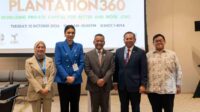
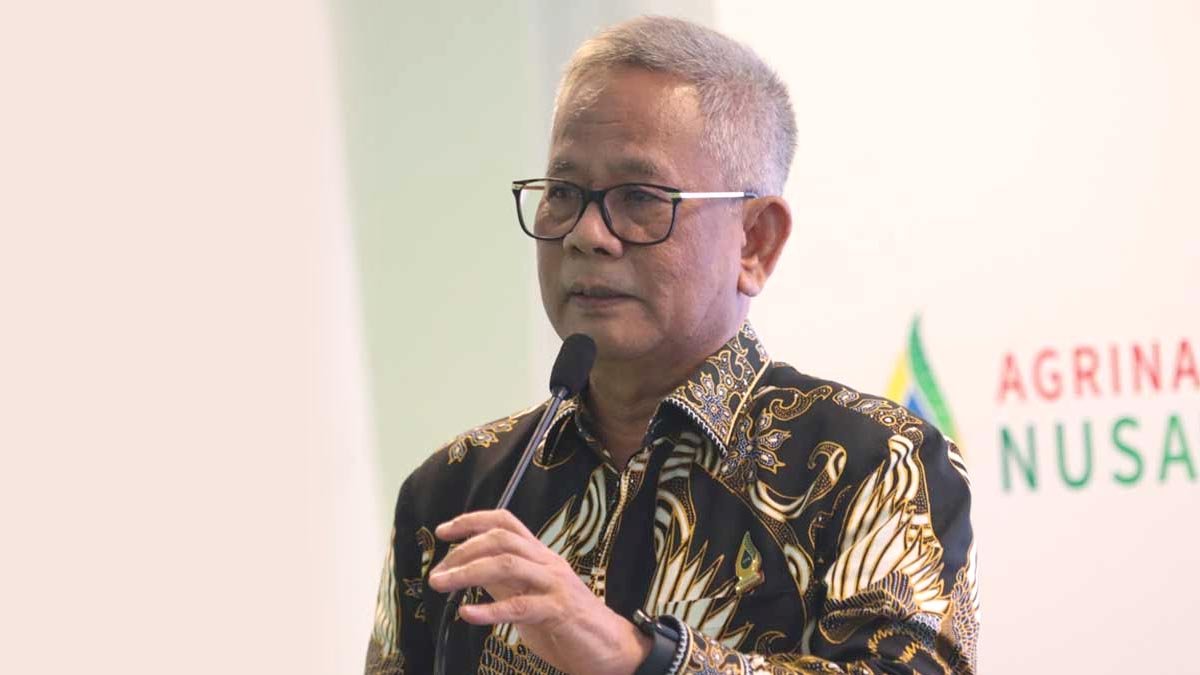
“From the total 4.8 million hectares, around 400,000 to 500,000 hectares can be prioritized. We are ready to step in and support the replanting process,” Ghani said during a closed-door discussion forum at Menara Agrinas Palma in Jakarta on Monday (April 27, 2026).
He emphasized that resolving palm oil plantations located in forest areas must be carried out through a legally sound mechanism to ensure future implementation does not create new disputes.
For that reason, Ghani said the involvement of the Forest Area Control Task Force (Satgas PKH) would be essential throughout the process, from planning and execution to post-program monitoring.
According to him, participation from a multi-agency task force would strengthen the legitimacy of the program while providing legal certainty for all stakeholders involved.
“The task force should be involved from the initial planning stage, implementation, and post-program supervision. If all parties participate from the start, the process will be much safer and more certain,” he said.
Third-Party Support for Transparency
Agrinas Palma also stressed that it will not implement the program alone. The company plans to involve qualified third parties with technical expertise to support administration, field verification, and replanting execution.
This approach is intended to ensure that accelerated replanting on legally sensitive land can proceed transparently, efficiently, and in line with regulations while minimizing governance or legal risks.
Also Read: From Plantations to Energy: Downstreaming Becomes Key to National Self-Reliance
Ghani also highlighted the importance of financing support, especially if field funding requirements exceed existing schemes.
According to him, if additional costs prove substantial, higher-level policy backing will be needed to keep the replanting targets on track.
The initiative reflects a broader effort to unlock dormant productivity potential in Indonesia’s palm oil sector while improving land governance and supporting long-term sustainability. (P2)